Dry Socket Dental Emergency
in Little Rock, AZ
Fast Relief from Severe Tooth Pain - Call Now!
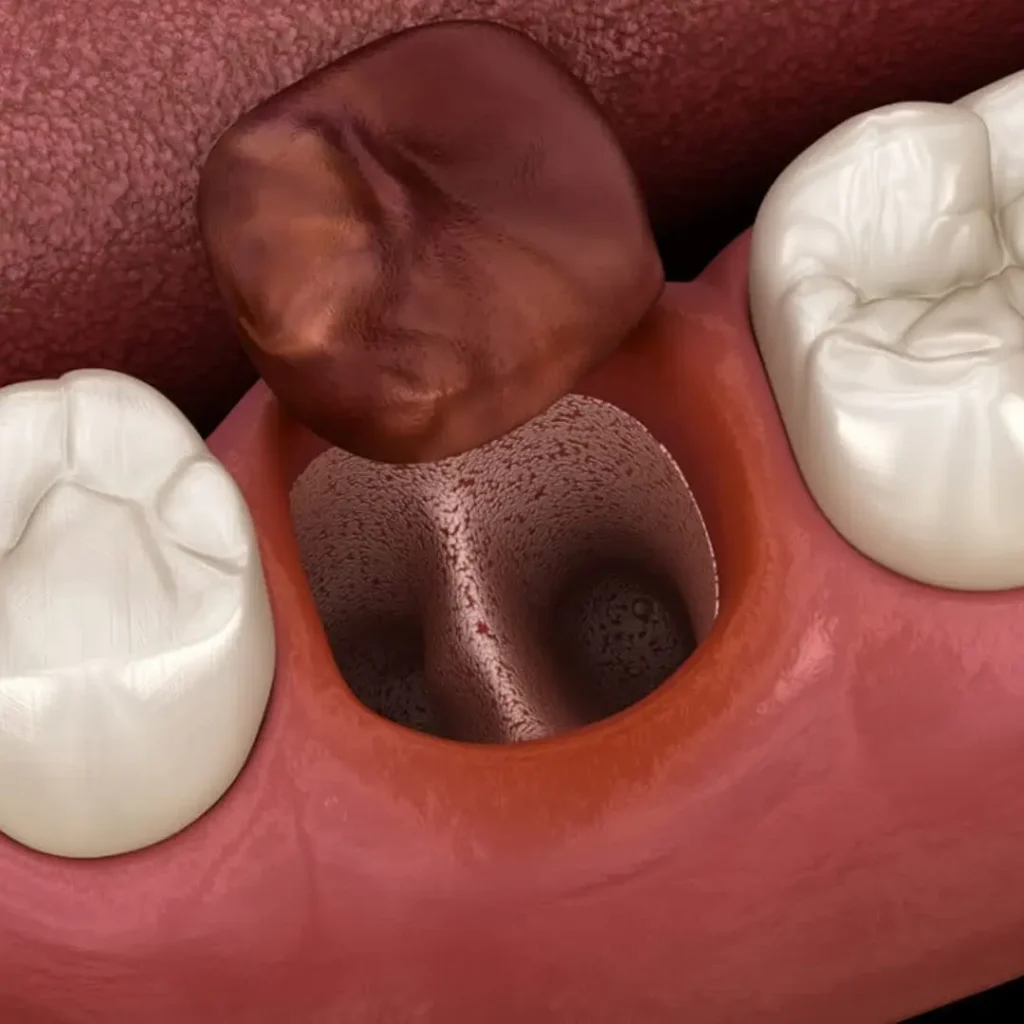
What is a Dry Socket?
After a tooth extraction, especially for wisdom teeth, a blood clot should form in the socket. This clot protects the bone and nerves underneath. If this clot is lost or dissolves too soon in the first 24 hours, it can expose the bone. This can lead to a dry socket, which is a dental emergency. A dry socket causes severe pain and needs urgent care.
Dry Socket Dental Emergency? Get Help Today!
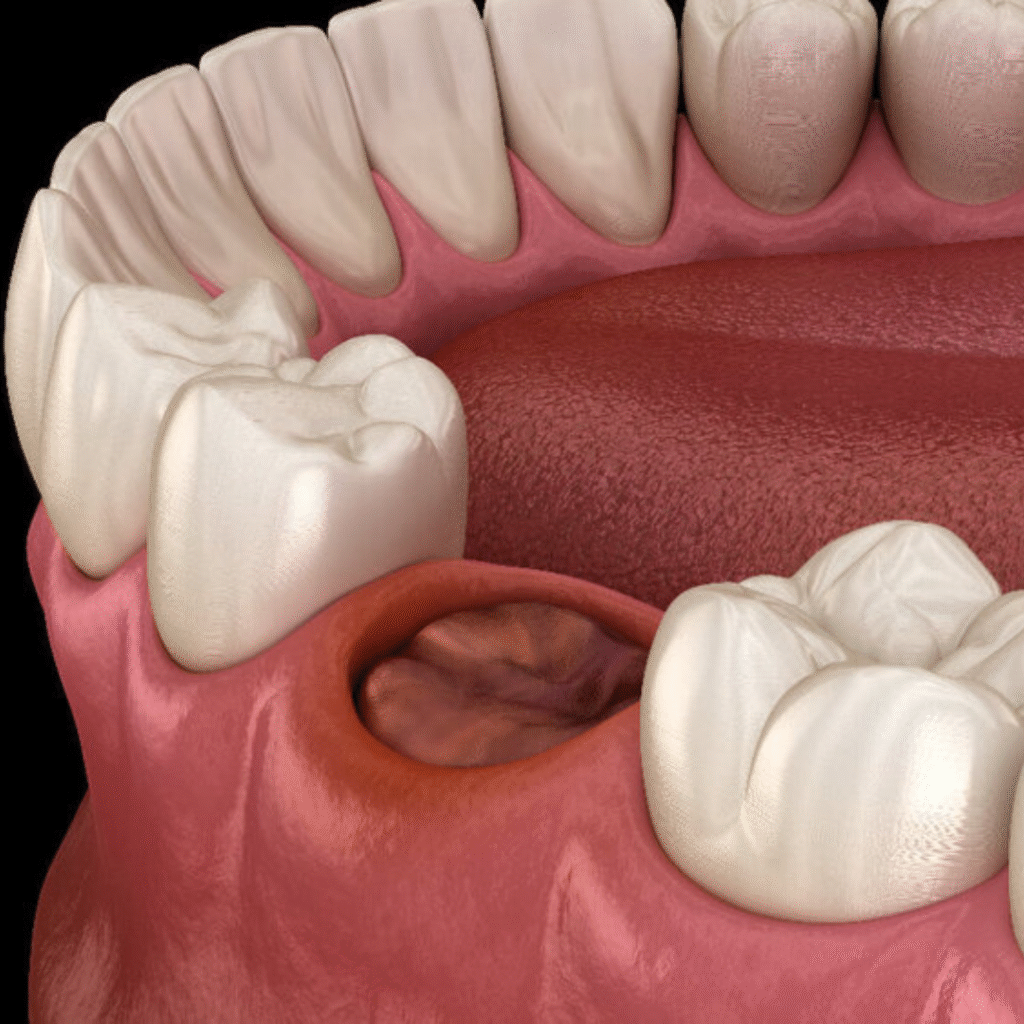
Symptoms of Dry Socket
Recognizing the symptoms of dry socket early can help you avoid further complications:
- Severe throbbing pain that radiates to your ear, jaw, or neck
- Empty-looking socket where the tooth was removed
- Bad breath or foul taste in your mouth
- Visible bone in the extraction site
If you experience these warning signs, don’t delay; the pain will not go away on its own without treatment.
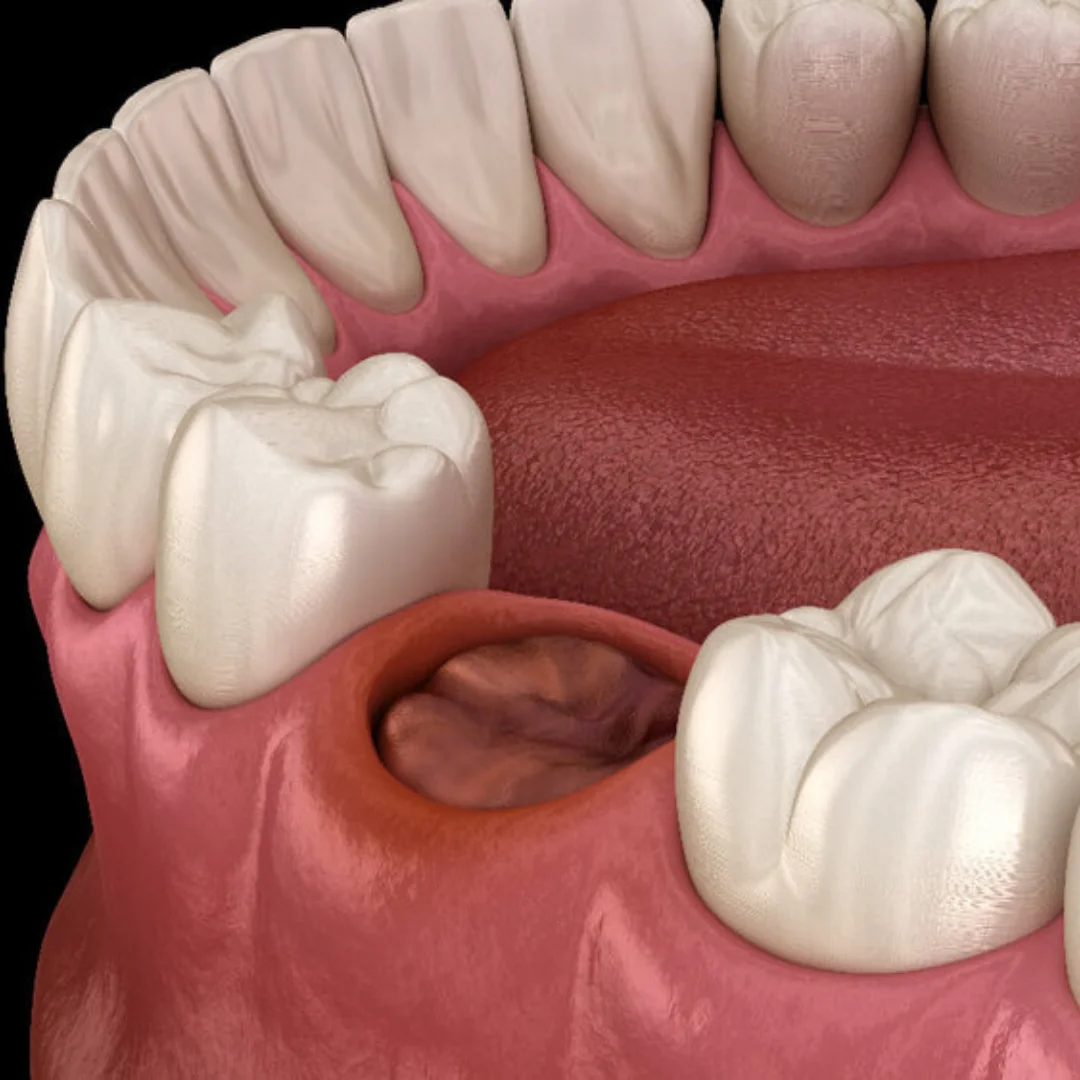

Why Immediate Treatment Matters?
A dry socket exposes your bone and nerves, which can lead to:
- Prolonged healing time
- Increased risk of infection
- Severe, unrelenting pain
Prompt care from an emergency dentist in Little Rock can provide immediate pain relief, reduce complications, and get you back on track to healing quickly.
Dry Socket Emergency? Same-Day Care Available
Our Dry Socket Emergency Dental Services
Our dry socket emergency dentists in Little Rock provide:

Same-day appointments – Call now, we’ll fit you in ASAP

Gentle cleaning of the tooth socket to remove debris and bacteria

Medicinal dressings to protect and soothe the exposed area
Pain management solutions to help you feel comfortable again
Aftercare guidance on how to maintain proper oral hygiene and prevent recurrence

Why Choose Us for Your Dental Emergency in Little Rock
- Experienced emergency dental team that specializes in extractions and dry socket care
- Convenient Little Rock location with easy scheduling
- Compassionate, patient-first care to reduce stress during emergencies


What to Do Before Your Appointment
- Avoid rinsing the area forcefully; gentle rinsing may be recommended after the first 24 hours
- Do not smoke or use tobacco products, which delay healing
- Do not use straws, as suction can dislodge the clot
- Take over-the-counter pain relievers (if safe for you)
- Call us immediately; every hour matters

Frequently Asked Questions
Why am I having severe pain after my tooth extraction?
Severe pain after a tooth extraction may be a sign of dry socket. This condition occurs when the protective blood clot at the extraction site becomes dislodged or fails to form properly, exposing the underlying bone and nerves.
What causes dry sockets to develop?
Dry socket may occur when the blood clot at the extraction site is disturbed before healing is complete. Several factors can contribute to this condition following a tooth extraction.
Can dry socket happen after any tooth extraction?
Yes. Dry socket can occur after many types of tooth extractions, although it is more commonly associated with wisdom tooth removal.
Is dry socket considered a dental emergency?
Dry socket is considered an urgent dental condition because it can cause significant pain and discomfort that often requires professional treatment.
What does dry socket feel like?
Common symptoms may include severe pain at the extraction site, pain that radiates to the jaw or ear, an empty-looking socket, an unpleasant taste in the mouth, or bad breath.
How soon can dry sockets develop after an extraction?
Dry socket typically develops within a few days after a tooth extraction, although the timing may vary from person to person.
How can I tell the difference between normal healing and dry socket?
Normal discomfort usually improves gradually after an extraction, while dry socket often causes worsening or severe pain that does not improve as expected.
How do dentists treat dry sockets?
Treatment may involve cleaning the extraction site, placing a medicated dressing, and providing recommendations to help manage discomfort and support healing.
Will dry sockets heal without treatment?
Dry socket will eventually heal as the extraction site recovers, but professional treatment can help relieve discomfort, protect the area, and support the healing process.
How long does it usually take for dry socket to improve?
Recovery varies from person to person, but symptoms often improve after treatment and continued healing of the extraction site.
When should I contact a dentist about pain after a tooth extraction?
You should contact a dentist if you experience severe pain, worsening symptoms, or concerns following a recent tooth extraction.
Do you offer same-day appointments for dry socket treatment in Little Rock?
Yes. We offer same-day emergency dental appointments whenever possible for patients experiencing symptoms of dry socket and other urgent dental concerns.
Can dry sockets become more painful if I wait to seek treatment?
Yes. Dry socket can cause significant discomfort and may continue to worsen without professional evaluation and treatment.
Is there anything I can do to help prevent dry sockets?
Following your dentist’s post-operative instructions and protecting the extraction site during healing may help reduce the risk of dry socket.
Can I schedule an appointment if I'm not sure I have a dry socket?
Yes. If you’re experiencing unusual pain or symptoms after a tooth extraction, a dental examination can help determine whether dry socket or another condition is affecting your recovery.
How do I schedule an appointment for dry socket treatment?
You can call (501) 248-1990 or use the online appointment form to request an emergency dental appointment. Our team will contact you to confirm your visit and discuss your symptoms.