Ease Root Canal Pain Remedy:
Gentle Ways to Heal and Recover
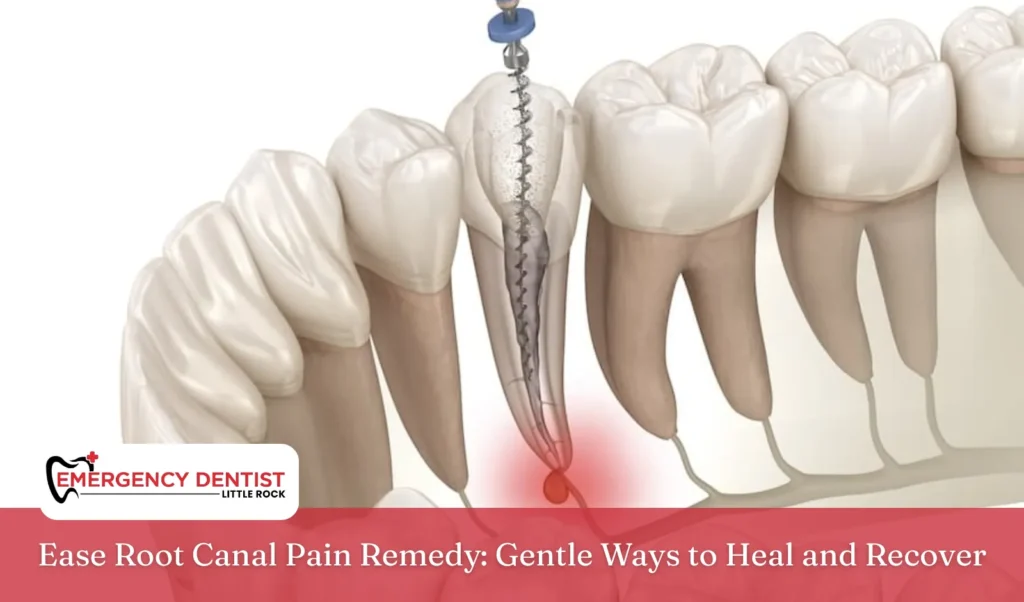
A root canal procedure is a common and effective dental procedure to treat a tooth with infected pulp and stop severe tooth pain. While the treatment helps save the tooth and prevent future problems, it’s normal to feel any pain or sensitivity for a short time after the appointment. Learning how to ease root canal pain with simple and safe remedies can help you recover comfortably and avoid complications.
Why Root Canal Pain Happens
During a root canal treatment, the dentist or endodontist cleans the inside of the tooth, removes the infected tissue, and seals it to stop the infection from returning. Although local anesthesia keeps you comfortable during the treatment, the surrounding tissues may become irritated afterward. This can lead to temporary swelling, inflammation, or sensitivity to hot or cold foods and drinks.
Mild pain is a normal part of healing. Practicing careful aftercare supports pain management, helps reduce discomfort, and lowers the risk of infection while the tooth heals.

Best Remedies to Ease Root Canal Pain
If you’re experiencing post-treatment soreness, try these simple and safe root canal pain remedy options:
- Rinse with Warm Water and Salt
Mixing a teaspoon of salt in a cup of warm water and gently rinsing your mouth is a natural way to support pain relief. This helps clean the area, reduce swelling, and soothe irritated tissues.
- Use Cold Compresses
Placing a cold compress or ice pack on your cheek helps reduce swelling and numb the area. Apply it for 15–20 minutes at a time. This method is especially helpful during the first 48 hours after treatment.
- Take Counter Pain Relievers
Over-the-counter pain medication like ibuprofen or acetaminophen is commonly recommended to manage root canal pain. These counter pain relievers help control inflammation and make you more comfortable. Always follow the dosage instructions and talk to your dentist if the pain continues longer than expected.
- Brush Gently with a Soft-Bristled Toothbrush
Use a soft-bristled toothbrush to clean your teeth gently without irritating the treated area. Rough brushing can slow healing, while gentle care keeps your mouth clean and promotes recovery.
- Maintain Good Oral Hygiene
Good oral care is key to preventing infection and supporting healing. Brush and floss carefully, and avoid putting too much pressure on the treated tooth.
What to Avoid After a Root Canal
To protect the treated area and support healing, avoid these common mistakes:
Don’t chew on the treated tooth right away, as it needs time to recover. Stay away from hard, sticky, or crunchy foods that could damage it. Avoid very hot or cold foods and drinks, since sensitivity is common. Don’t skip brushing, but clean gently around the area to prevent irritation.
When to Contact an Emergency Dentist in Little Rock
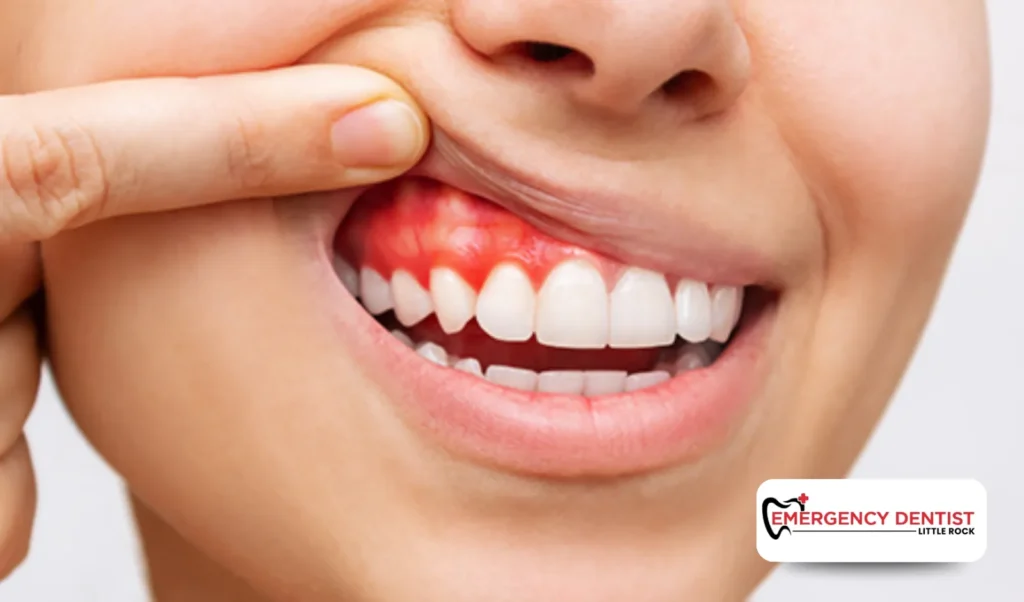
Most discomfort improves within a few days, but you should contact an Emergency Dentist in Little Rock if you notice:
- Severe or worsening pain
- Swelling that does not improve
- Pain when biting or chewing
- Fever or signs of infection
These symptoms may mean that something needs further attention, such as a missed canal or lingering infection.
Final Thoughts
Feeling a bit sore after root canals is normal, but it should improve gradually. With simple remedies like warm water rinses, cold compresses, gentle brushing, and pain relievers, you can manage pain and support healing. Keeping good oral hygiene and following aftercare instructions are also essential for comfort.
If the pain doesn’t get better or becomes worse, always contact an Emergency Dentist in Little Rock for proper care. Getting timely help ensures better healing, lasting comfort, and peace of mind. Your smile deserves gentle care and the right support for a smooth recovery.
Frequently Asked Questions
Is it normal to feel pain after a root canal treatment?
Yes, mild soreness or sensitivity is normal for a few days as the tooth heals. It should gradually improve with proper care.
What can I use for quick pain relief after a root canal?
Rinsing with warm salt water, using cold compresses, and taking counter pain relievers can help ease discomfort effectively.
When should I contact my dentist after a root canal?
If you experience severe pain, swelling, fever, or pain when chewing that doesn’t improve, contact your dentist immediately.