
When to See a Dentist for a Root Canal: Treatment Facts
Quick Answer
When should you have a tooth evaluated for root canal treatment?
A dental evaluation may be appropriate when tooth pain, sensitivity, swelling, or damage continues or repeatedly returns. A dentist can examine the tooth, review the findings, and explain whether root canal treatment or another form of care may be suitable.
Key Takeaways
- Persistent or recurring tooth concerns are worth discussing with a dentist.
- An examination and dental X-rays can help reveal problems that are not easily visible.
- Local anesthesia is commonly used to help make treatment comfortable.
- Root canal care may be completed in one appointment or require additional visits.
- The tooth may need a permanent restoration after its internal treatment.
- Professional evaluation can help determine whether saving the tooth is an appropriate option.
Tooth discomfort can be unpredictable. You might notice a problem only when biting, experience sensitivity that lasts longer than expected, or have symptoms that improve and then return.
These changes alone cannot tell you exactly what is happening inside the tooth. During an evaluation, a dentist can inspect the area and use X-rays when appropriate to look for deep decay, damage, or changes involving the tooth’s internal tissues.
This information helps the dentist determine which treatment options may be appropriate based on the condition of the tooth rather than symptoms alone.
Signs a Tooth Should Be Evaluated

Certain symptoms are worth having checked by a dentist, especially when they persist, worsen, or repeatedly return.
Ongoing or recurring tooth pain, lingering sensitivity to hot or cold, and discomfort when biting or chewing may indicate that a tooth needs professional attention. Swelling or tenderness around the tooth or nearby gums should also be evaluated.
A cracked, chipped, or otherwise damaged tooth may need to be checked even when the visible damage appears minor. Problems involving deeper parts of the tooth are not always noticeable from the outside.
These symptoms do not automatically mean that you need a root canal. A dental examination and, when appropriate, X-rays or other tests can help identify the cause and determine whether root canal care or another treatment may be suitable.
When Might a Root Canal Be Recommended?
Patients often want to understand when a dentist will do a root canal rather than recommend a different type of treatment. The decision depends on the condition of the tooth’s internal tissue, how much healthy structure remains, and whether the tooth can be restored.
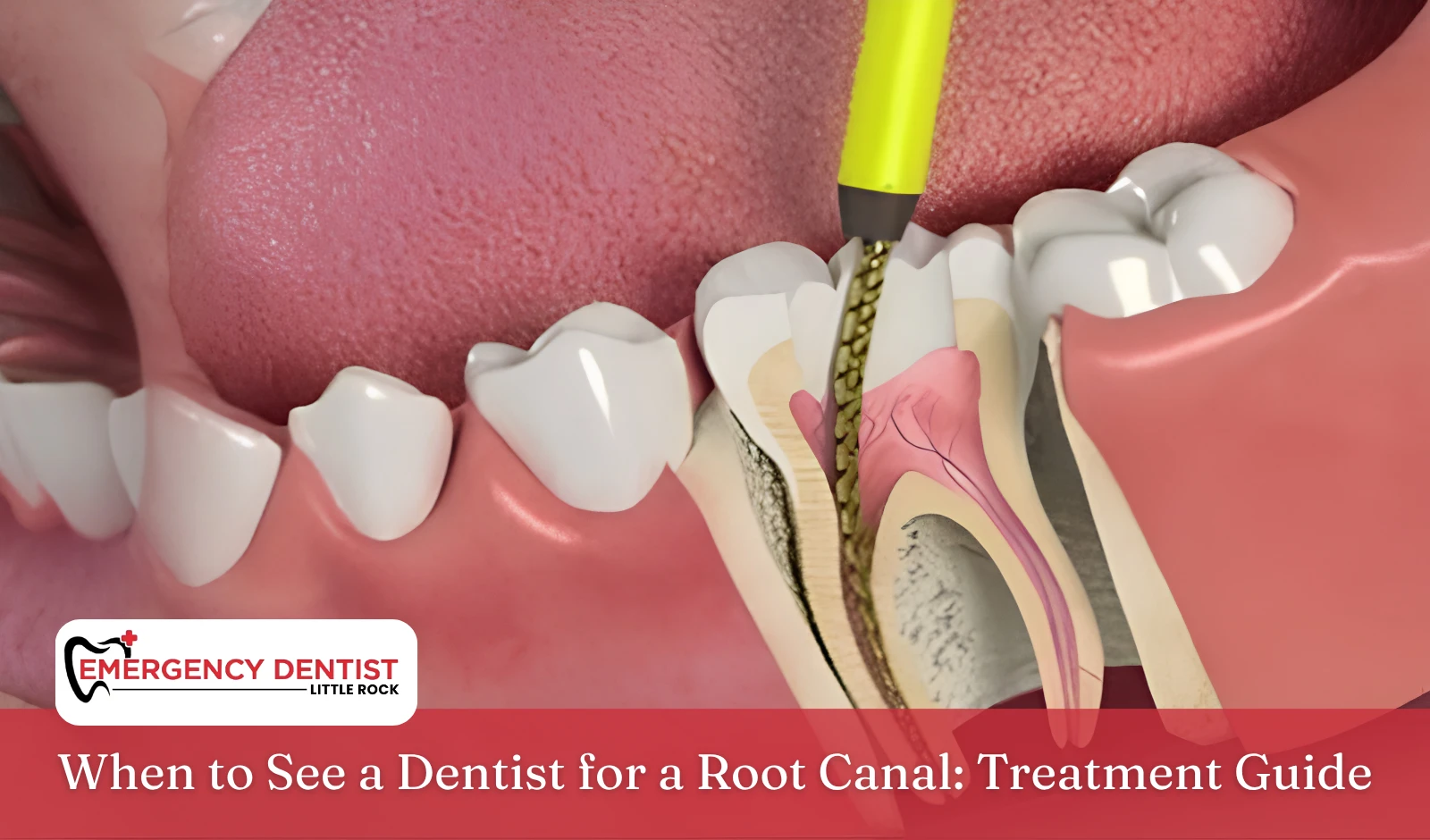
The inner part of the tooth includes a pulp chamber containing soft tissue. When this tissue has been significantly damaged or infected, root canal therapy may be considered.
During this form of endodontic treatment, damaged or infected tissue is removed, and the internal spaces are cleaned and sealed. When appropriate, the procedure can help save your natural tooth and allow it to remain in place.
What Can You Expect During Root Canal Care?
While treatment is planned around each tooth, understanding the basic root canal procedure can help you know what to expect at your appointment.
Preparing and Cleaning the Internal Spaces
The dental team generally begins by using medication to numb the area around the affected tooth. Once you are comfortable, the dentist creates a small opening that provides access to the tissue and root canals.
The affected tissue is removed, and the narrow canals are cleaned and shaped. This prepares the internal spaces for sealing.
Closing and Protecting the Tooth
After cleaning and preparation, the canals are filled and sealed using dental materials. If another appointment is planned, temporary fillings may protect the tooth between visits.
Further dental work may be recommended after the internal treatment. Depending on the location and condition of the tooth, a permanent filling, crown, or other restoration may be used to complete care.
How Many Visits Can a Root Canal Require?
A common scheduling question is how many dentist visits for a root canal you may need. There is no standard number for every patient.
Some cases may be completed in a single visit, while other teeth need additional appointments. The number can vary depending on the tooth’s internal anatomy, the complexity of its canals, its condition, and when restorative care is completed.
Treatment may be provided by dentists or endodontists. A general dentist manages many root canal cases, while an endodontist may be recommended when specialized care is appropriate.
How Much Time Might Treatment Take?

Patients balancing dental treatment with work and other responsibilities commonly ask how long a root canal takes at the dentist. The length of an appointment depends on several factors rather than one standard timeframe.
Different teeth have different numbers and shapes of canals. A tooth with a more complex internal structure may require a different amount of treatment time than a tooth with fewer canals.
After evaluating the tooth, the dental team can provide a more useful estimate for your particular case. Completing the recommended treatment and restoration may also help support the long-term success of the tooth.
What Should You Do While Waiting for Care?
If a tooth feels better temporarily, that does not necessarily explain whether the underlying dental concern has changed. Persistent or recurring symptoms should still be discussed during your appointment.
Some people use over-the-counter pain relievers for temporary comfort while waiting to see a dentist. These medicines do not repair the source of a dental problem. Follow medication directions carefully and speak with a healthcare professional if you have questions about what is suitable for you.
Final Thoughts
Understanding when to see a dentist for a root canal can help you recognize when an ongoing tooth concern needs professional evaluation. An examination can clarify whether root canal care or another treatment may be appropriate.
If a root canal is recommended, your dentist can explain how the procedure will be planned, whether multiple visits are expected, and what type of final restoration may be needed.
Understand What Your Tooth Needs in Little Rock
When a tooth repeatedly causes discomfort during meals, sleep, or your normal routine, getting it evaluated can provide clearer answers. An Emergency Dentist in Little Rock can examine the affected area and discuss what the findings mean for your treatment choices.
Instead of trying to determine the problem from discomfort alone, you can receive guidance based on the condition of the tooth and learn whether root canal care or another option may be appropriate.
Frequently Asked Questions
Can a root canal be performed through an existing crown?
In some situations, a dentist or endodontist may be able to access the tooth through an existing crown. The condition and type of restoration will be evaluated before the treatment approach is determined.
Should I mention previous injuries to the tooth?
Yes. Tell your dentist if the tooth was chipped, cracked, or injured in the past, even if the event happened a long time ago. That history may be useful when evaluating its current condition.
Can I use mouthwash after root canal treatment?
Your dentist can advise you about your oral hygiene routine after treatment. If a temporary restoration has been placed, follow the specific care instructions provided for that tooth.
What happens if a root canal cannot be completed in one appointment?
The tooth may be protected between visits, and treatment can continue at a later appointment. Your dentist will explain what was completed and what still needs to be done.
Does every root canal tooth need the same type of restoration?
No. The final restoration depends on factors such as which tooth was treated, how much healthy structure remains, and how the tooth functions when you bite. Your dentist can recommend the appropriate option after evaluating these factors.