
Sports Related Dental Injuries: A Guide to Safer Play
Quick Answer
What are sports related dental injuries?
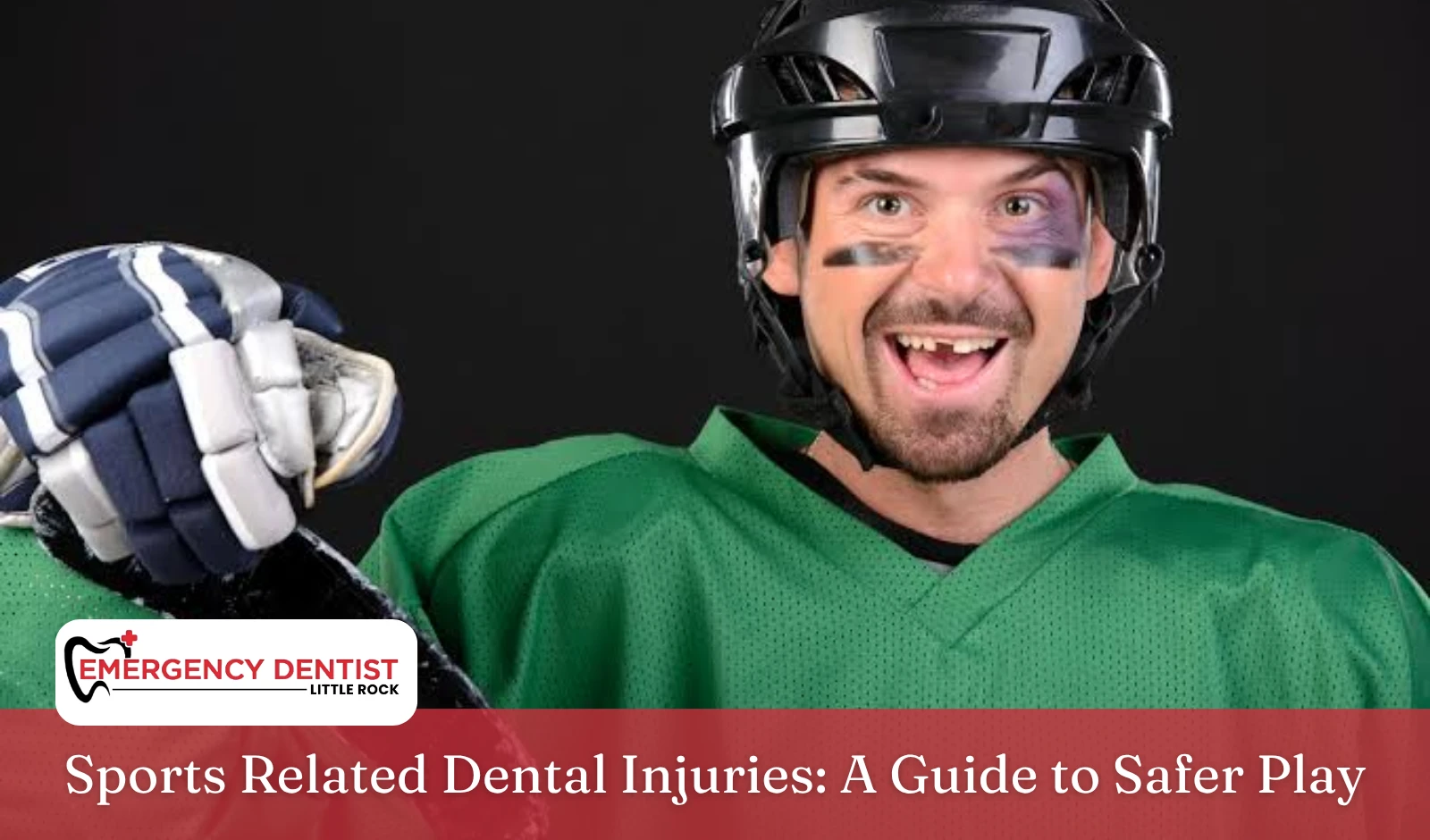
Sports related dental injuries are injuries to the teeth, gums, lips, or other areas of the mouth that occur during sports or physical activity. They may result from a collision, fall, or direct impact and can include chipped teeth, cuts, loose teeth, or more serious damage that needs prompt dental attention.
Key Takeaways
- Mouth injuries can happen during competitive sports, practices, workouts, and recreational activities.
- The type of sport can affect an athlete’s exposure to collisions, falls, and fast-moving equipment.
- A well-fitting mouthguard can help cushion the teeth when an impact occurs.
- Broken, loose, displaced, or knocked-out teeth should receive timely professional attention.
- Prompt dental evaluation may support tooth preservation following significant damage.
- Using appropriate protective equipment can support an athlete’s long-term oral health.
Athletic activities can involve sudden changes in direction, close contact, and unexpected falls. Even when players follow safety rules, an accidental elbow, collision, or impact from equipment can affect the mouth.
Learning about sports related dental injuries and sports dentistry can help athletes and families understand these risks before an accident occurs. It also provides a useful foundation for recognizing when a dental problem should receive professional attention.
What Dental Injuries Can Happen During Sports?
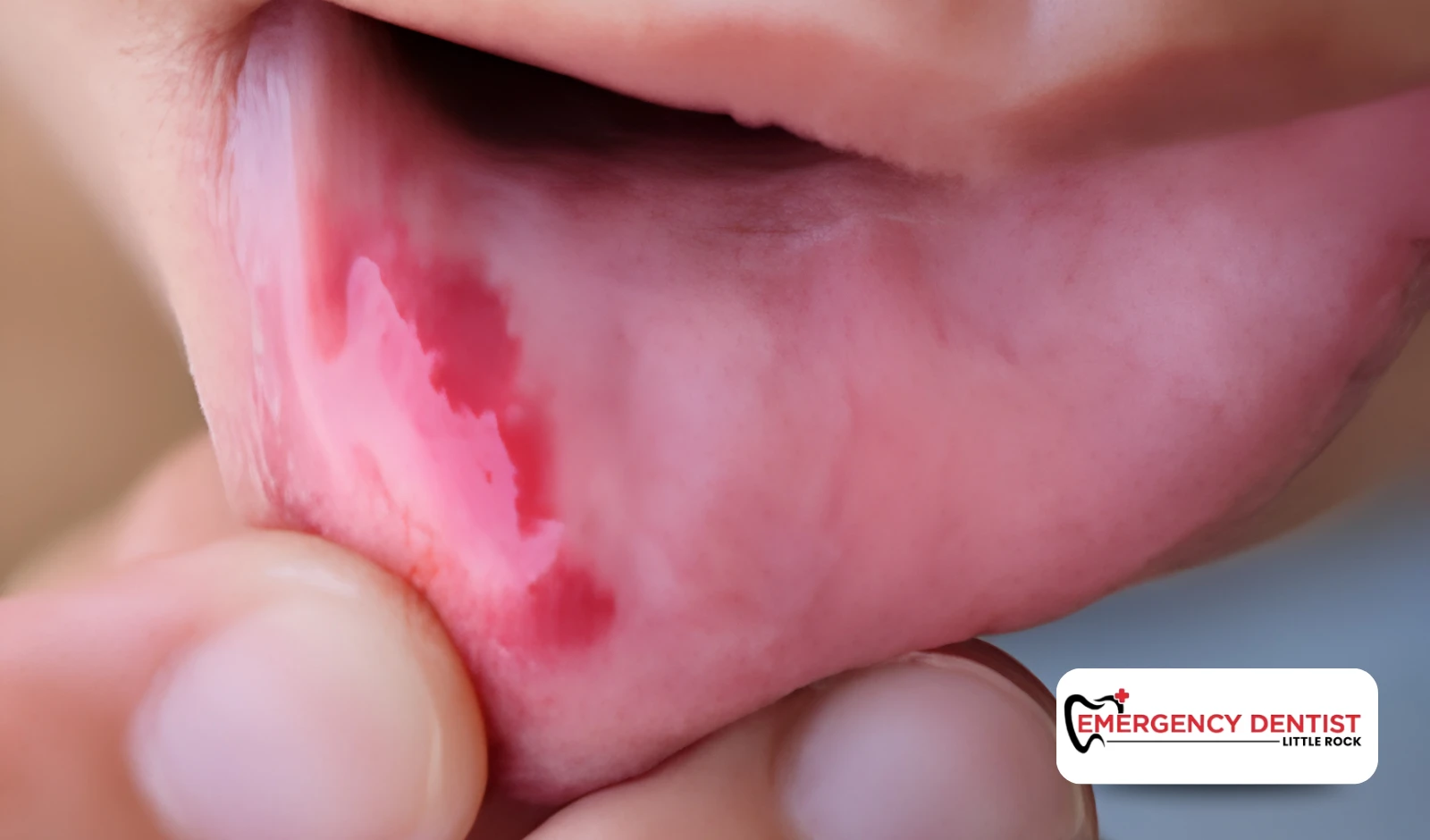
The types of sports related dental problems vary depending on where and how the mouth is struck. A single accident can affect one tooth, several teeth, or nearby tissues.
Chipped, Cracked, or Broken Teeth
Falls and direct blows can cause tooth fractures. Some may involve only a small part of the tooth’s outer layer, while stronger impacts can cause damage that extends deeper.
Because it is not always possible to judge the extent of an injury by looking at the tooth, a dentist can examine the area and determine whether treatment is appropriate.
Loose, Shifted, or Knocked-Out Teeth
A strong impact may loosen a tooth or move it away from its normal position. In some cases, a permanent tooth may be knocked completely out of its socket.
These injuries can be dental emergencies, making prompt professional attention important. If a permanent tooth comes out and you can find it, handle it by the crown rather than touching the root and contact a dental professional as soon as possible for guidance.
Injuries to the Lips, Gums, and Cheeks
Some oral injuries involve areas surrounding the teeth. The lips, tongue, cheeks, and gums can experience cuts or other soft tissue injuries during a sports accident.
An impact may injure both a tooth and nearby tissues at the same time, so a professional evaluation can help identify the areas that have been affected.
How Is Dental Trauma Evaluated?
After dental trauma, a dentist usually asks about how the accident happened and examines the affected part of the mouth. The evaluation may include the injured tooth, nearby teeth, gums, and the way the teeth fit together.
Dental X-rays can provide more information about damage that is not visible from the outside. More extensive injuries involving the jaw or facial structures may sometimes require care from an oral and maxillofacial specialist.
The appropriate treatment depends on the types of injuries found during the examination. A small chip, for example, may require different care from a tooth that has been displaced or damaged internally.
When trauma significantly affects the tissue inside a tooth, root canals may sometimes be considered as part of treatment. A dentist can determine whether this or another option is suitable based on the individual injury.
Why Mouthguards Are Important for Athletes
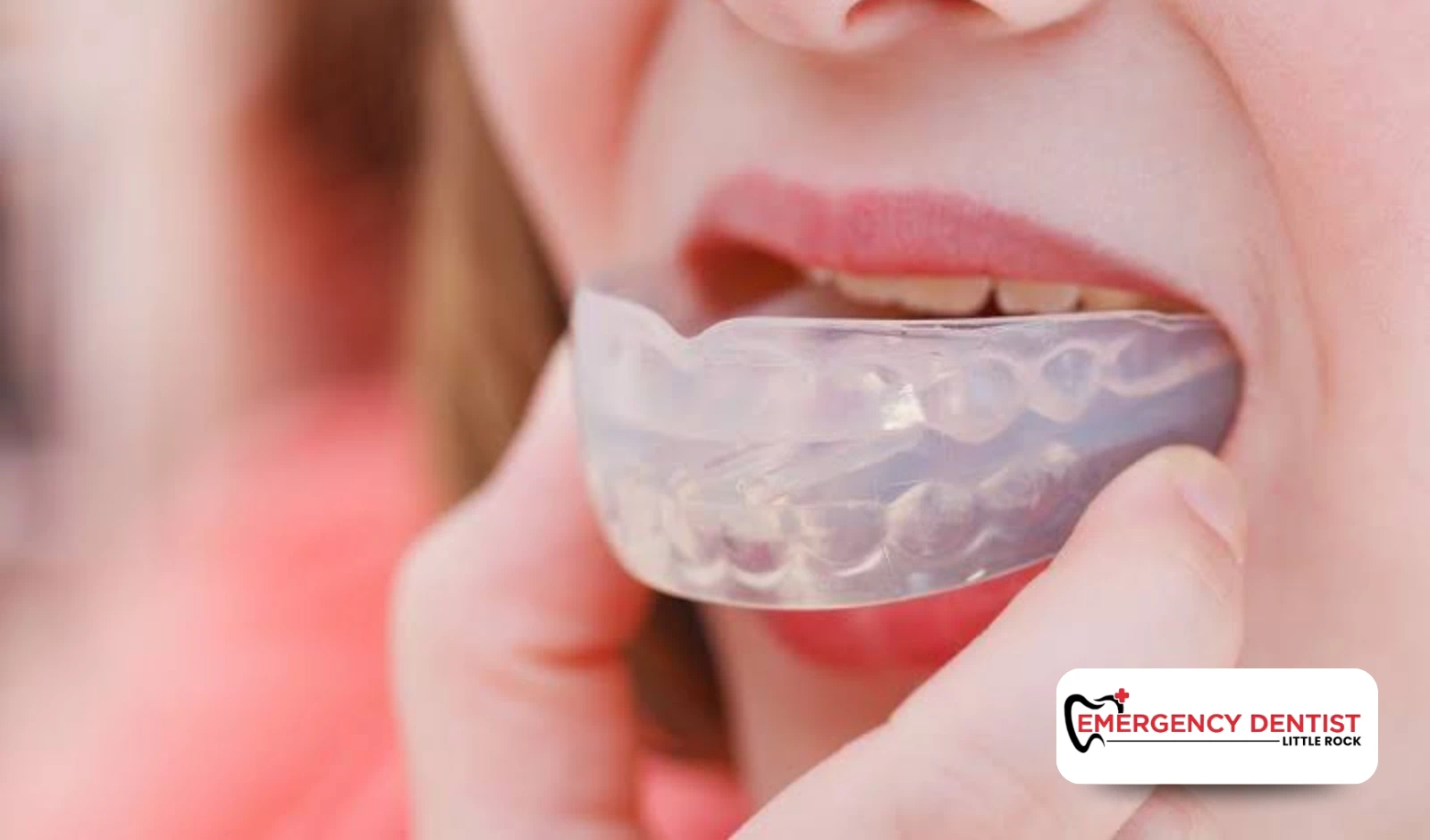
A mouthguard creates cushioning around the teeth and can help reduce the direct force of an impact. It can be useful for activities involving contact with other athletes, falls, or sports equipment.
Different mouthguard options are available. A custom fit guard is made specifically around an athlete’s teeth and bite, helping it remain secure and comfortable during movement.
Mouthguards should be inspected regularly. If a guard becomes torn, cracked, distorted, or no longer fits correctly, replacing it can help maintain appropriate protection.
When Should a Sports Injury Be Checked by a Dentist?
Some common dental injuries in sports are easy to notice immediately. Others may not become apparent until after the activity has ended.
A tooth that breaks, becomes loose, shifts position, or starts to feel different following an impact should be professionally evaluated. Bleeding, swelling, or a new change in the bite can also be reasons to contact a dentist.
An examination can help determine how much damage occurred and whether treatment or monitoring is appropriate.
Final Thoughts
Sports are an important part of an active lifestyle, but accidents can sometimes affect the teeth and surrounding tissues. Appropriate safety equipment and a properly fitting mouthguard can help reduce the risk of injury.
When an accident does affect the mouth, timely professional evaluation can help clarify the extent of the damage and the next steps for care.
Get Clear Guidance After a Sports Injury in Little Rock
A dental injury can interrupt a game in seconds and leave you unsure about what needs to happen next. If you damage a tooth while playing sports in Little Rock, an Emergency Dentist in Little Rock can examine the injured area, assess the surrounding teeth and tissues, and discuss appropriate care based on the findings.
Contact the dental office when you need professional guidance following an unexpected sports-related dental accident.
Frequently Asked Questions
Can football cause dental injuries even when I wear a helmet?
Yes. A helmet protects important areas of the head, but it does not completely protect the teeth and mouth from every impact. A suitable mouthguard provides additional dental protection during contact sports.
What should I do if a tooth starts feeling sensitive after a game?
Sensitivity after an impact may be worth having evaluated, particularly if it continues or is accompanied by other changes. A dentist can examine the tooth and determine whether further care is appropriate.
Can a mouthguard protect dental veneers?
A mouthguard may provide additional protection for teeth with veneers, but it should fit correctly around existing dental work. Ask your dentist which design is suitable for your teeth.
Should I stop using a mouthguard if it develops a small tear?
A damaged guard may not fit or function as intended. If you notice a tear, crack, or significant worn area, consider replacing it before returning to activities where your mouth could receive an impact.
Can a sports injury affect a tooth without breaking it?
Yes. A tooth can become loose, displaced, sensitive, or internally affected without developing an obvious crack or chip. A dental examination can help identify problems that may not be visible.