Do Dentists Put You to Sleep for a Root Canal? Facts

Quick Answer
Do dentists put you to sleep for a root canal?
Usually, no. Most patients remain awake because the dentist uses local anesthesia to numb the tooth and surrounding tissues before treatment. Sedation may be considered for patients with significant anxiety, a strong gag reflex, or other concerns, but many forms of sedation help you relax without making you completely unconscious.
Key Takeaways
- Most root canals are performed while the patient is awake.
- Local anesthesia helps numb the tooth and nearby tissues.
- Sedation may be considered for patients with significant dental anxiety.
- Different sedation methods can provide different levels of relaxation.
- Sedation and numbing medication have different purposes.
- Your health history and treatment needs help determine whether sedation is appropriate.
If you have never had a root canal, you may be unsure about what happens during the appointment. Concerns about discomfort or staying awake can make the procedure seem more complicated than it is.
Some patients wonder whether dentists put you to sleep for a root canal because they assume being unconscious is necessary for this type of treatment.
For most people, it is not. The dentist usually numbs the affected tooth while you stay conscious. Sedation can be discussed separately when anxiety or another issue makes treatment more challenging.
Knowing the difference between these comfort measures can help you prepare for your visit.
Will You Be Awake During Root Canal Treatment?
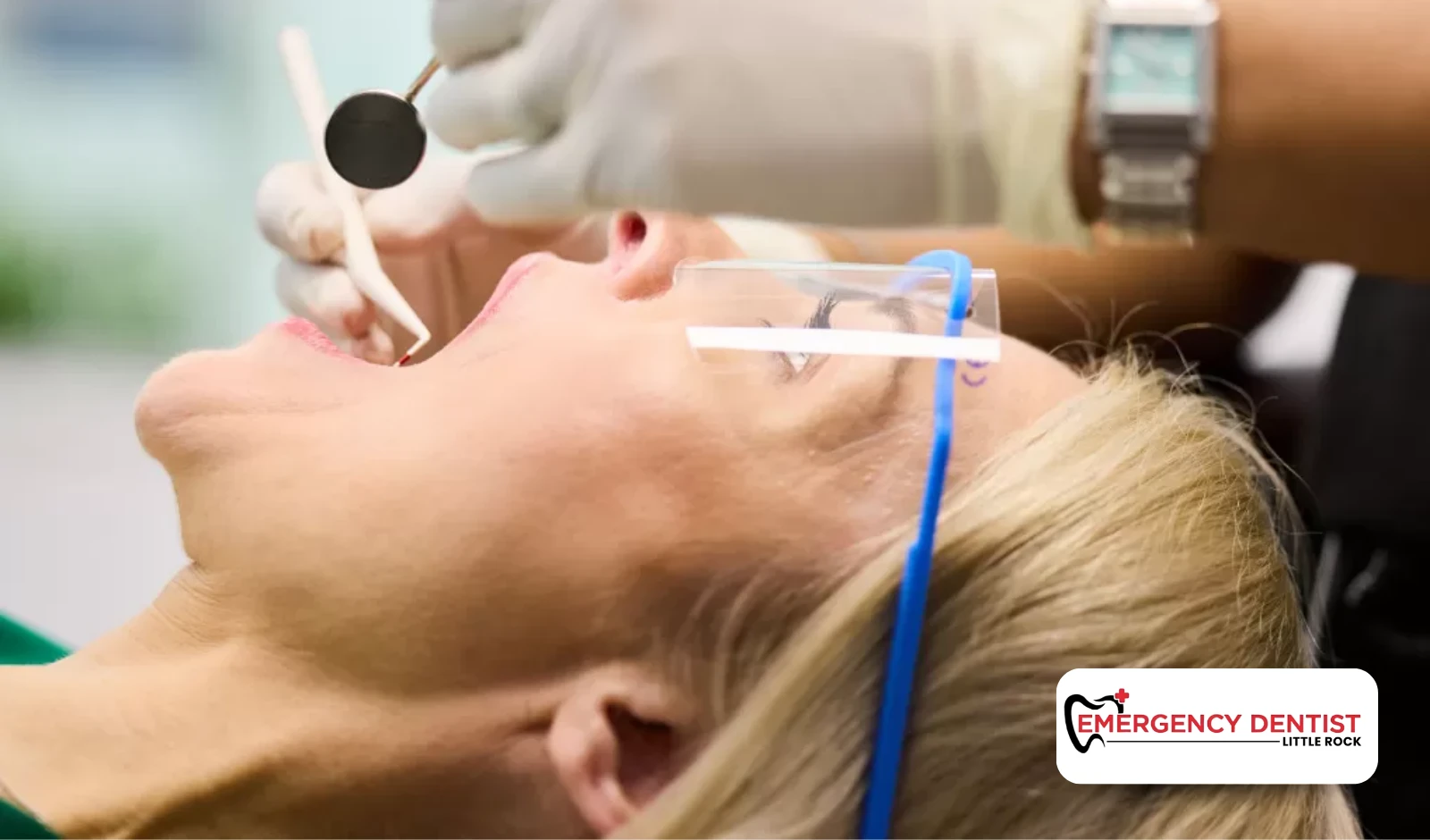
Most patients are conscious during root canal treatment. Before beginning, the dentist typically numbs the tooth and nearby area.
You might still notice pressure, vibration, or movement while the dentist works. These sensations can occur even when the anesthetic is working as intended.
Remaining conscious allows you to communicate during the root canal procedure. If you need a short break or notice unexpected discomfort, you can signal to your dental team.
Understanding what you may experience beforehand can also help with reducing anxiety about the appointment.
Do Dentists Use Anesthesia for Root Canal Care?
Local anesthesia is commonly used during root canal care to numb the affected tooth and surrounding tissues.
The dentist may check the area before starting the dental procedure to make sure the anesthetic has taken effect.
Local anesthesia and sedation are different. Local anesthetic reduces sensation in the part of your mouth receiving treatment. Sedation is intended to change how relaxed, sleepy, or aware you feel.
Because they serve different purposes, receiving local anesthetic does not normally cause you to fall asleep.
When Might Sedation Be Considered for a Root Canal?
Several sedation options may be considered when anxiety or another concern makes treatment more difficult to manage.
Sedation may be considered when a patient has severe anxiety, a sensitive gag reflex, trouble remaining comfortable during longer treatment, or a difficult previous dental experience.
Before recommending any sedation methods, your dentist may review your medications, medical history, allergies, and previous experiences with anesthesia or sedation.
Nitrous Oxide
Nitrous oxide is a mild sedative inhaled through a small mask placed over the nose.
It can help you feel calmer while allowing you to stay conscious. Patients can generally hear and respond to the dental team throughout treatment.
The dental staff controls and monitors its use during the appointment.
Oral Sedation
Oral sedation involves taking prescribed medication before your procedure according to your dentist’s instructions.
Depending on the medication and dosage, you may feel mildly relaxed or quite drowsy. You can often still respond when the dental team speaks to you.
Because some medications continue affecting alertness after treatment, your dentist may instruct you to arrange for another adult to drive you home.
Moderate and Deeper Sedation
Moderate sedation can create a stronger level of relaxation or drowsiness while still allowing the patient to respond to verbal directions.
Deeper sedation may also be available in certain dental settings for appropriate patients. These methods require additional monitoring and are not routinely necessary simply because you are having a root canal.
Your dentist can explain which options are offered and whether one may be appropriate for you.
Final Thoughts
Being completely asleep is generally unnecessary for root canal care. Most patients stay conscious while local anesthetic keeps the treatment area numb.
Sedation may provide additional support when anxiety or another concern makes dental treatment difficult. The appropriate approach depends on your individual health, medications, comfort needs, and planned procedure.
Tell your dentist about any concerns you have before treatment begins. Providing complete health and medication information also helps your dental team evaluate which comfort options may be suitable.
Understand Your Root Canal Comfort Options in Little Rock
Questions about anesthesia and sedation are easier to address before your procedure begins. An Emergency Dentist in Little Rock can evaluate the affected tooth, explain why a root canal may be recommended, and discuss how your comfort can be managed during treatment.
Your appointment also gives you an opportunity to ask about sedation and understand the dental care that may be appropriate for your tooth.
Frequently Asked Questions
Can I have a root canal without any sedation?
Yes. Many root canals are performed using local anesthetic without additional sedation. Your dentist can discuss whether any other comfort measures are appropriate for you.
Does sedation make a root canal painless?
Sedation is mainly intended to help with relaxation and anxiety. Local anesthetic is generally used separately to numb the treatment area and reduce sensation.
What if I have had a bad reaction to sedation before?
Tell your dentist before receiving any medication. Provide details about the previous reaction, along with your current medications, allergies, and relevant medical history.
Will I need someone with me if I receive oral sedation?
You may. Some oral sedatives can affect alertness, judgment, and coordination after treatment. Your dental provider will tell you whether another adult needs to accompany you and drive you home.
Can I decide about sedation on the day of my root canal?
It is better to discuss sedation in advance whenever possible. Some options require preparation, medication instructions, eating or drinking restrictions, and transportation arrangements before the appointment.