
Will a Dentist Do a Root Canal Same Day? What Happens
Quick Answer
Will a dentist do a root canal the same day?
Often, yes. If you’re experiencing severe tooth pain, swelling, or signs of an infection, your dentist may be able to begin the root canal procedure during your first visit. Whether same-day treatment is appropriate depends on the condition of the affected tooth, your symptoms, and the recommended treatment plan after your examination.
Key Takeaways
- Many patients may qualify for same-day root canal treatment.
- A dental examination and X-rays help determine the most appropriate treatment plan.
- Root canal therapy removes infected tissue while preserving the natural tooth.
- Local anesthesia helps keep the procedure comfortable.
- Prompt endodontic treatment may help with relieving pain, preventing further damage, and lowering the risk of tooth loss.
- A temporary crown or filling may protect the treated tooth while it heals.
- Good aftercare supports recovery and long-term oral health.
A painful tooth can quickly turn an ordinary day into an uncomfortable one. Simple activities like eating, speaking, or sleeping may become difficult when an infection reaches the inside of a tooth. If you’re wondering whether a dentist can complete a root canal during your first appointment, you’re asking a common question.
The answer depends on your individual situation. After evaluating your symptoms and reviewing any necessary X-rays, your dentist will determine whether treatment can safely begin the same day. Prompt dental care may help relieve discomfort, reduce the spread of infection, and improve the chances of keeping your natural tooth.
Understanding Root Canals
Before discussing same-day treatment, it helps to understand what a root canal is and why it may be recommended.
Inside every tooth is a soft inner tissue called the tooth pulp. It contains nerves, blood vessels, and connective tissue that help the tooth develop. Deep decay, cracks, injuries, or previous dental procedures can allow bacteria to reach the pulp, leading to inflammation or infection.
Instead of removing the tooth, your dentist may recommend root canal therapy. During treatment, the dentist removes the infected pulp, cleans and disinfects the root canals, and seals the tooth to prevent further infection. Preserving the natural tooth whenever possible helps maintain proper chewing, speech, appearance, and long-term oral health.
Can a Dentist Perform a Root Canal During the First Visit?
In many situations, yes.
Many people search “will a dentist do a root canal the same day” or ask “do dentists do same day root canal” when sudden tooth pain develops. After a complete examination, many patients can begin treatment during the initial appointment.
Whether same-day treatment is appropriate depends on several factors, including:
- The severity of the infection
- The condition of the affected tooth
- The complexity of the root canal system
- The amount of healthy tooth structure remaining
- Your overall oral health
- Appointment availability
Some patients may need referral to an endodontist or an additional appointment if the tooth requires more advanced care. However, many infections can be treated during the first visit.
Your dentist will recommend the treatment plan that best fits your needs.
What Happens During the Root Canal Procedure?
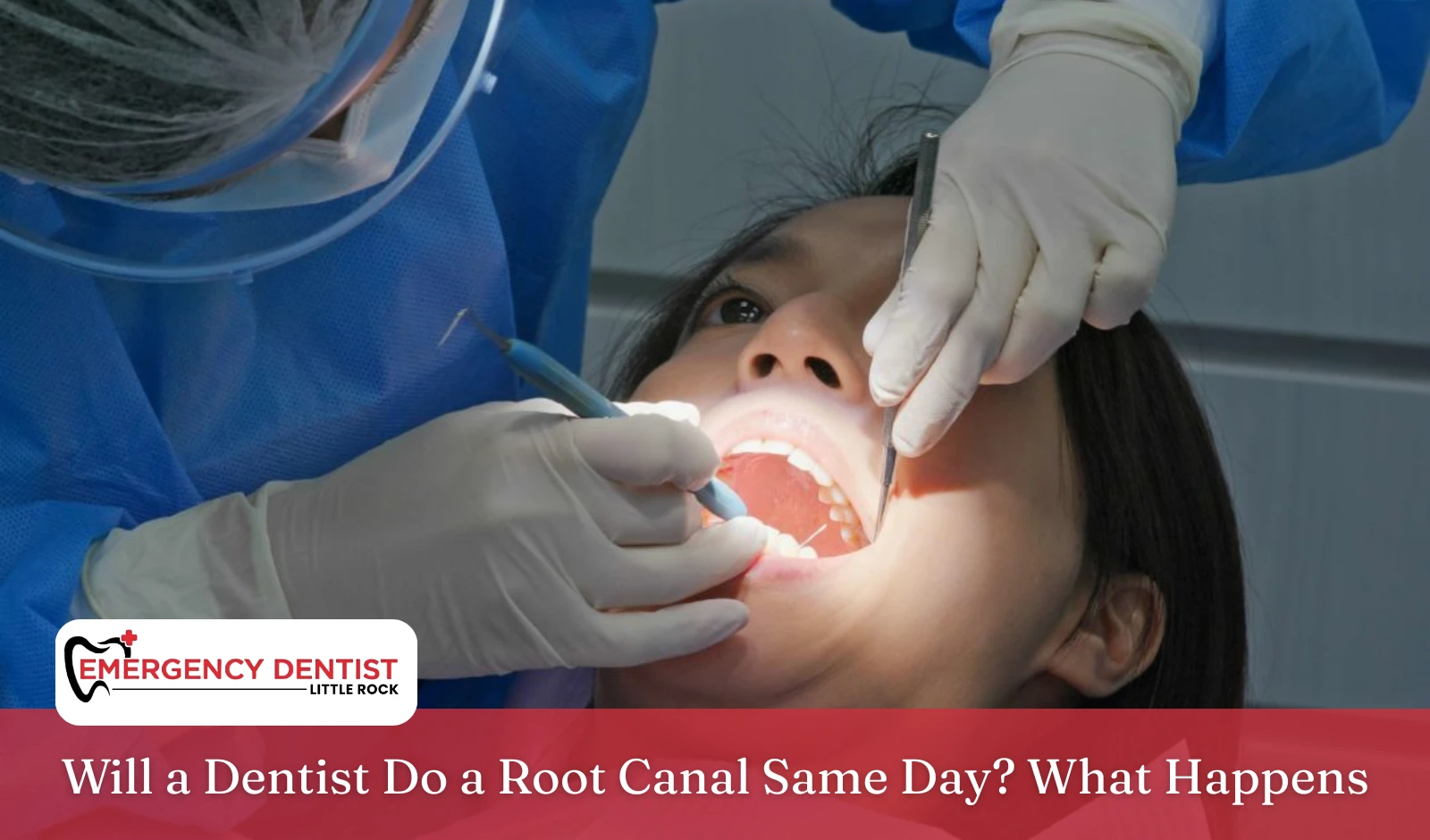
Although every patient is different, the root canal procedure usually follows the same general steps.
Examination and Diagnosis
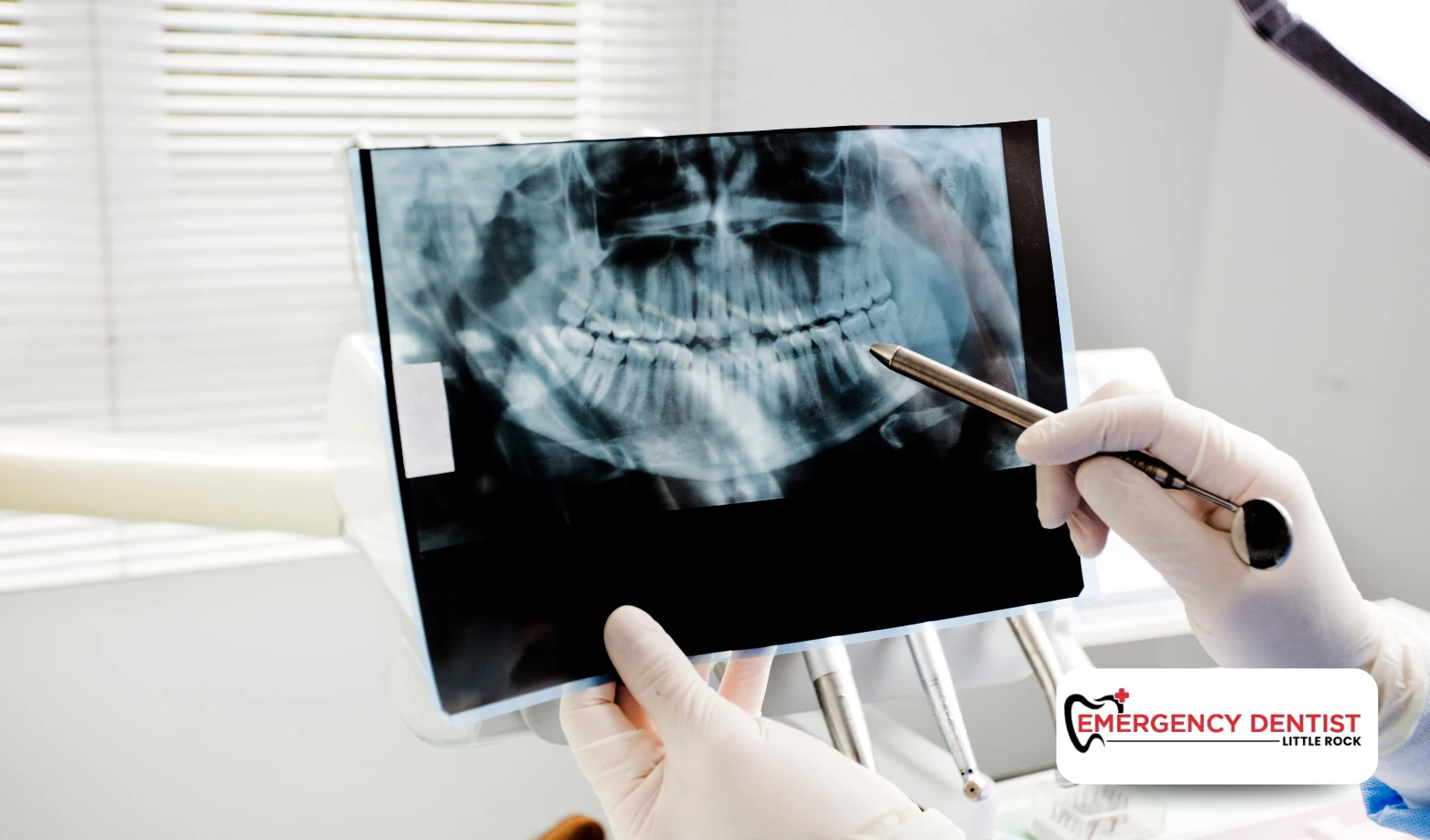
Your visit begins with a detailed examination. Your dentist will discuss your symptoms, evaluate the tooth, and take X-rays to determine whether the pulp has become infected.
The results help determine whether endodontic treatment is the most appropriate option.
Local Anesthesia
Before treatment begins, local anesthesia is used to numb the tooth and surrounding tissues.
Modern anesthetics allow most patients to remain comfortable during treatment. While you may notice some pressure, significant pain is uncommon.
Removing the Infection
Once the tooth is numb, your dentist creates a small opening to access the infected tissue.
During root canal therapy, the dentist removes the infected pulp, carefully cleans and disinfects the canals, and seals the tooth. This process helps eliminate bacteria, prevent further infection, and plays an important role in relieving pain caused by the infection.
Protecting the Tooth
After treatment is complete, your dentist may place a temporary filling or a temporary crown.
This restoration helps protect the tooth until a permanent crown is placed if one is recommended.
Why Early Treatment Is Important
A tooth infection rarely improves without professional treatment.
As bacteria continue spreading, you may experience:
- Persistent tooth pain
- Swelling around the gums or face
- Pain while chewing
- Sensitivity to hot or cold foods and drinks
- Damage to the surrounding bone
Receiving prompt dental care may help prevent further damage, preserve your natural tooth, and reduce the risk of tooth loss.
Early treatment also allows your dentist to address the infection before it becomes more severe.
Recovery After Root Canal Therapy

Most patients recover well after root canal therapy.
Mild tenderness around the treated tooth is common for several days and generally improves over time.
Your dentist may recommend:
- Taking over-the-counter pain medication as directed
- Avoiding chewing on the treated tooth until instructed
- Brushing and flossing regularly to maintain good oral health
- Returning for placement of a permanent crown if recommended
Following these aftercare instructions helps support healing while protecting the treated tooth.
Final Thoughts
If you’ve been wondering whether a root canal can be completed during your first appointment, many patients are able to begin treatment the same day after a careful examination.
Seeking treatment early may help relieve discomfort, stop the infection from progressing, and improve the chances of preserving your natural tooth. Your dentist will recommend the option that best matches your individual needs.
Protect Your Smile Before the Problem Gets Worse
An infected tooth won’t usually heal on its own. Having your tooth evaluated promptly gives your dentist the opportunity to identify the cause of your symptoms and determine whether same-day treatment is appropriate.
At Emergency Dentist in Little Rock, we provide emergency dental evaluations for patients experiencing urgent dental concerns. Our team will explain your findings, answer your questions, and discuss treatment options that can help relieve your discomfort while protecting your smile.
Frequently Asked Questions
Do dentists do same day root canal treatment for everyone?
Not always. Whether treatment begins during your first appointment depends on the condition of the tooth, the severity of the infection, and your dentist’s evaluation.
Is a same-day root canal painful?
Most patients experience little discomfort because local anesthesia is used to numb the treatment area before the procedure begins.
How long does the root canal procedure usually take?
Many routine root canals are completed in approximately 60 to 90 minutes. More complex teeth may require additional treatment time.
Can root canal therapy save my natural tooth?
Yes. Root canal therapy is designed to remove infection while preserving the natural tooth whenever possible.
Will I need a permanent crown after treatment?
It depends on the location and condition of the treated tooth. Many teeth benefit from a permanent crown to restore strength and provide long-term protection.
Can I return to my normal activities afterward?
Many patients are able to return to work or resume their usual routine the same day. Your dentist will provide personalized aftercare instructions based on your treatment and recovery.