
How Does a Dentist Determine a Root Canal? Explained

Quick Answer
How does a dentist determine a root canal?
A dentist determines whether you need a root canal by reviewing your symptoms, examining the affected tooth, performing diagnostic tests, and taking digital dental X-rays. This information helps identify infection or damage inside the tooth and guides the most appropriate treatment.
Key Takeaways
- Dentists use examinations, diagnostic tests, and digital dental X-rays to evaluate the tooth.
- Persistent tooth pain and lingering sensitivity to hot and cold may indicate pulp damage.
- Root canal treatment removes infection while preserving the natural tooth whenever possible.
- Early diagnosis may help prevent infection from spreading.
- Treatment recommendations are based on the condition of your individual tooth.
A painful tooth can make eating, drinking, sleeping, and even concentrating difficult. If you’ve ever wondered, how do dentists know if you need a root canal, you’re asking a common question. Dentists don’t diagnose a tooth by symptoms alone. Instead, they use several clinical methods to determine whether the pulp inside the tooth has become infected or damaged.
Another common question is, can a dentist tell if you need a root canal during your first appointment? In many cases, the answer is yes. By reviewing your symptoms, performing a careful examination, completing diagnostic tests, and evaluating digital dental X-rays, your dentist can usually determine the cause of your discomfort and recommend the appropriate treatment.
How Your Dentist Evaluates the Tooth
Your visit usually begins with a conversation about your symptoms. Your dentist may ask when the pain started, whether it comes and goes, and if chewing, drinking, or temperature changes make it worse.
Next, your dentist carefully examines the affected tooth and surrounding gums for swelling, discoloration, visible damage, or a crack or chip. Digital dental X-rays allow your dentist to examine the roots and surrounding bone for problems that cannot be seen during a visual examination, including deep decay or infection.
Your dentist may also gently tap the tooth, check how it responds to pressure, and evaluate its reaction to hot and cold temperatures. These simple tests help assess the health of the pulp, which contains the nerves and blood vessels inside the tooth.
So, how does a dentist determine a root canal? By combining your symptoms, examination findings, diagnostic tests, and X-ray results, your dentist can determine whether root canal therapy is the most appropriate treatment for your tooth.
Common Signs You May Need a Root Canal
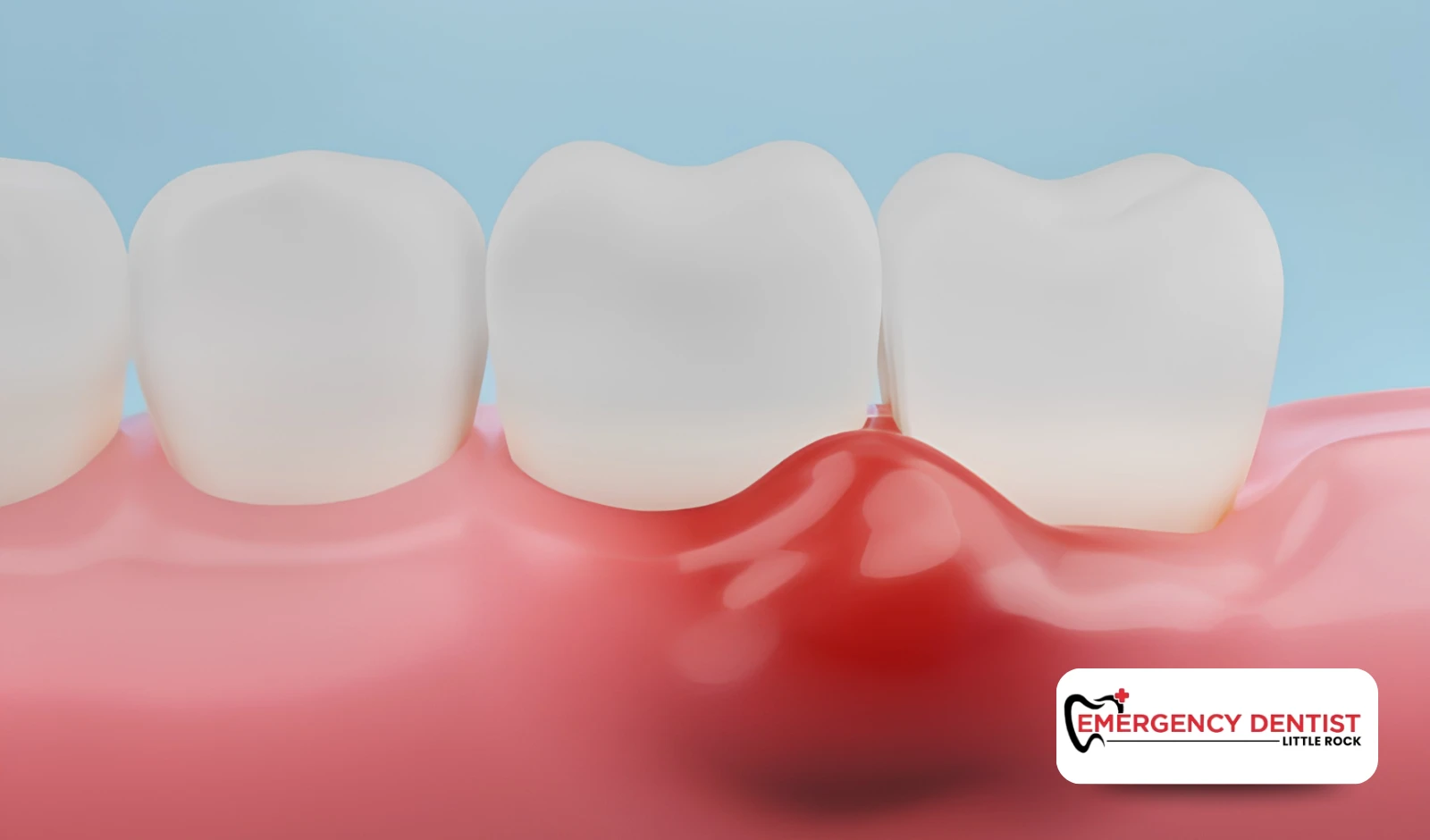
The pulp is the soft tissue inside the tooth that contains the nerves and blood vessels. When it becomes inflamed or infected, several symptoms may develop.
Some common signs include:
- Persistent tooth pain
- Pain while chewing or biting
- Lingering sensitivity after eating cold food or drinking something hot
- Swollen or tender gums
- A tooth that becomes darker than surrounding teeth
- A small bump on the gums near the affected tooth
These symptoms do not always mean you need root canal treatment, but they should always be evaluated promptly.
What Can Damage the Pulp?
Several dental conditions can allow bacteria to enter the center of the tooth.
Examples include:
- Deep decay
- A crack or chip
- Dental injuries
- Large fillings
- Repeated dental work on the same tooth
- Extensive chips or cracks that expose the inner tooth
These conditions increase the risk of infection. Once bacteria reach the pulp, the tooth may end up requiring a root canal to stop the infection before it spreads into the surrounding tissues.
What Happens During Root Canal Therapy?

Modern root canal therapy is designed to remove infection while preserving as much healthy tooth structure as possible.
During the root canal procedure, your dentist carefully removes the infected tissue from inside the canals. The canals are cleaned, disinfected, shaped, and sealed with a material called gutta percha to help reduce the risk of future infection.
After treatment, the treated tooth is restored with a filling or crown to restore strength and function.
Can My Tooth Be Saved?
Many patients worry that a damaged tooth automatically means it will be removed.
Whenever possible, dentists recommend treatment to save your tooth. Saving your natural tooth helps maintain normal chewing, supports nearby teeth, and avoids unnecessary tooth loss.
If the damage is too severe and the tooth cannot be restored, your dentist may recommend having the tooth extracted. The decision depends on how much healthy tooth structure remains and whether restoration is possible.
Does a Root Canal Hurt?
Many people associate root canals with pain, but modern dentistry has made treatment much more comfortable than many expect.
Although infection may cause significant root canal pain, local anesthesia keeps the area numb during treatment. Mild soreness afterward is common and generally improves within a few days. If appropriate, your dentist may recommend over-the-counter pain medication to help manage temporary discomfort during recovery.
Prompt care is important because delaying treatment may allow infection to spread into the surrounding tissues, making treatment more complex and reducing the chances of saving your natural tooth.
Final Thoughts
A dentist recommends root canal treatment only after completing a careful evaluation. By reviewing your symptoms, examining the tooth, performing diagnostic tests, and using digital dental X-rays, your dentist can determine whether a root canal is the right treatment. Receiving treatment early may relieve discomfort, help prevent the infection from spreading, protect your oral health, and improve the chances of preserving your natural tooth.
Don't Wait to Find the Cause of Your Tooth Pain
Persistent tooth pain rarely gets better on its own. At Emergency Dentist in Little Rock, we provide comprehensive emergency dental evaluations to identify the source of your discomfort as quickly as possible. After examining your tooth and reviewing your digital dental X-rays, we’ll explain your diagnosis, answer your questions, and discuss the treatment options that best fit your needs. Schedule your emergency dental appointment today.
Frequently Asked Questions
Can a dentist tell if I need a root canal during my first visit?
In many cases, yes. After reviewing your symptoms, examining the tooth, performing diagnostic tests, and taking digital dental X-rays, your dentist can often determine whether root canal treatment is appropriate.
Can sensitivity to hot and cold go away without treatment?
Sometimes mild sensitivity improves, but lingering discomfort may indicate inflammation or infection inside the tooth. A dental examination can determine the cause.
Can a tooth with deep decay be saved?
Often, yes. If enough healthy tooth structure remains, root canal treatment may remove the infection and help preserve your natural tooth.
Why does my tooth hurt even though I don't see any damage?
Some dental problems occur inside the tooth or below the gumline and cannot be seen without an examination and digital dental X-rays.
Will my dentist explain all of my treatment options?
Yes. Your dentist should explain your examination findings, digital dental X-rays, and whether a filling, crown, root canal, or another treatment is the most appropriate option for your tooth.