
How Does a Dentist Do a Root Canal? What Happens
Quick Answer
How does a dentist do a root canal?
The dentist removes damaged tissue from inside the tooth, prepares and cleans the root canals, and fills the resulting spaces. The tooth is then sealed and restored, helping support saving your natural tooth instead of removing it when possible.
Key Takeaways
- Root canal treatment works inside the tooth.
- Local anesthesia is typically used before treatment.
- The dentist removes damaged or infected pulp.
- Small instruments and dental solutions prepare the root canals.
- A material called gutta-percha is commonly used inside the canals.
- A general dentist or endodontist may provide treatment.
When you hear “root canal,” it may not be obvious what the dentist actually does. Most of the treatment takes place inside the tooth, where soft tissue and tiny channels are located.
Root canal therapy is a type of endodontic treatment. This dental procedure removes unhealthy internal tissue and prepares the tooth so its root spaces can be sealed.
What Does a Dentist Do During a Root Canal?
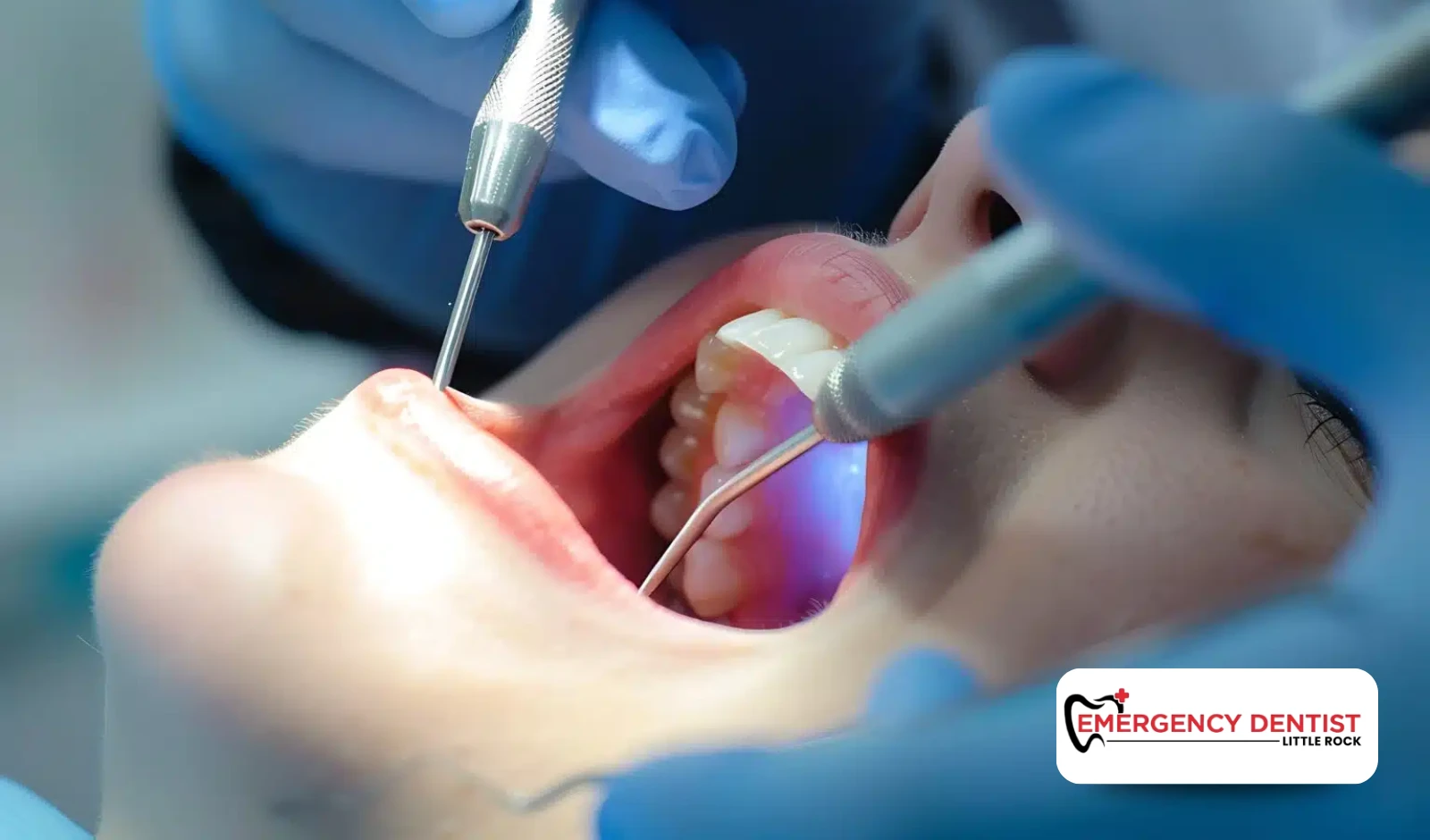
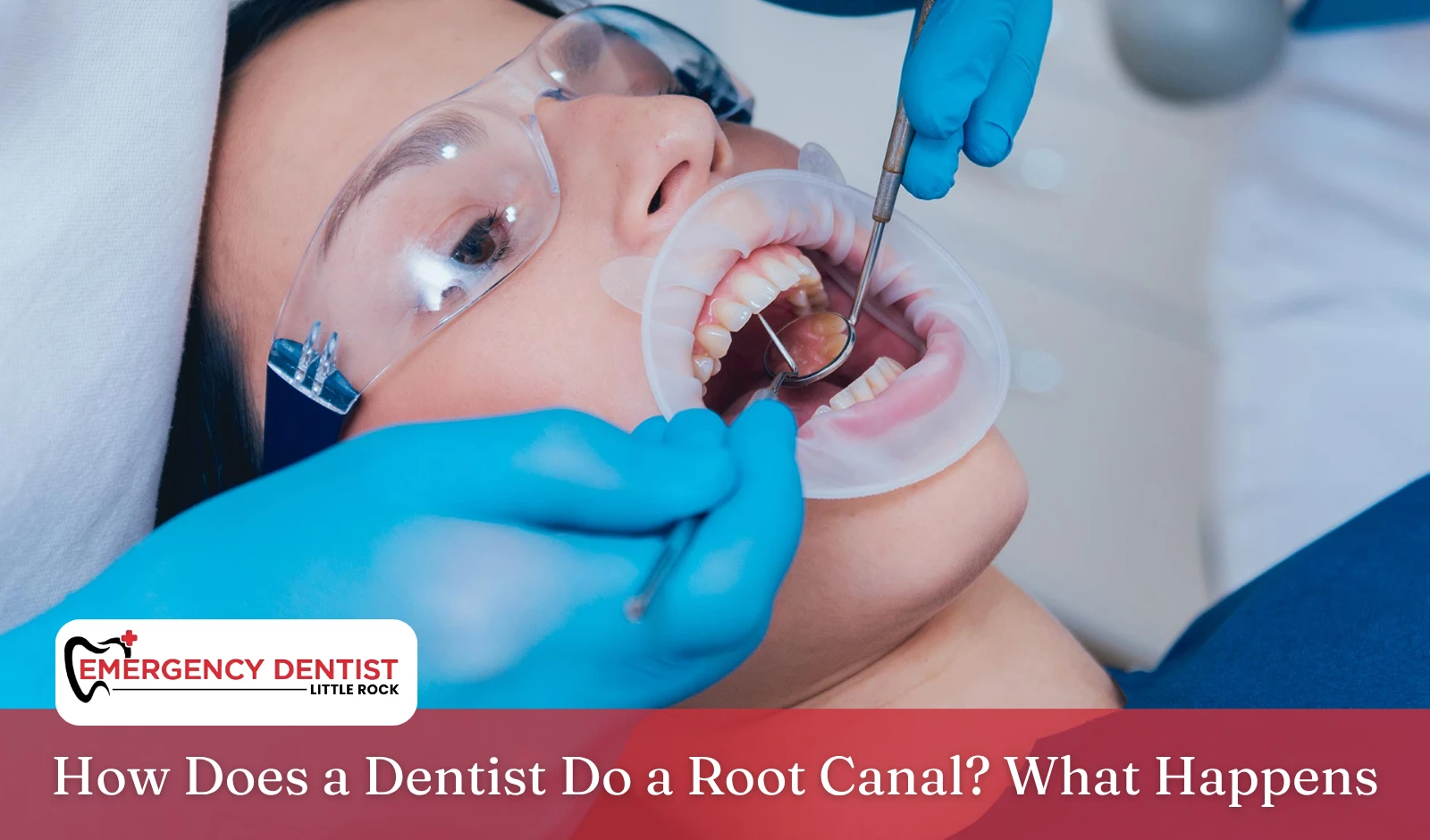
The dentist first evaluates the tooth and may take X-rays to learn more about the roots and nearby structures.
Treatment can then be planned around the tooth’s individual anatomy.
Anesthetizing and Opening the Tooth
Local anesthesia is usually given first. Numbing the area helps keep the procedure comfortable.
Afterward, a small opening is created to allow access to the inner chamber.
Removing Tissue From the Tooth
Inside the tooth is pulp tissue, which contains nerves, blood vessels, and other soft structures.
The dentist removes the damaged or infected pulp from the pulp chamber and root canals.
The pulp also contains blood vessels and connective tissue that contributed to tooth development. Once the permanent tooth has matured, it can usually remain functional without its pulp.
What Do Dentists Use to Clean Root Canals?
After removing the pulp, the dentist prepares the narrow internal spaces.
During this part of the root canal procedure, specialized instruments and dental cleaning solutions are used. The dentist cleans and shapes each accessible canal to prepare it for sealing.
What Do Dentists Fill Root Canals With?
Patients may wonder what dentists fill root canals with once those spaces are empty.
Gutta-percha is commonly used as the primary filling material. It is placed inside the prepared canals with a sealer.
Together, these materials close the internal spaces of the treated tooth.
What Do Dentists Put in Root Canal Teeth After Cleaning?
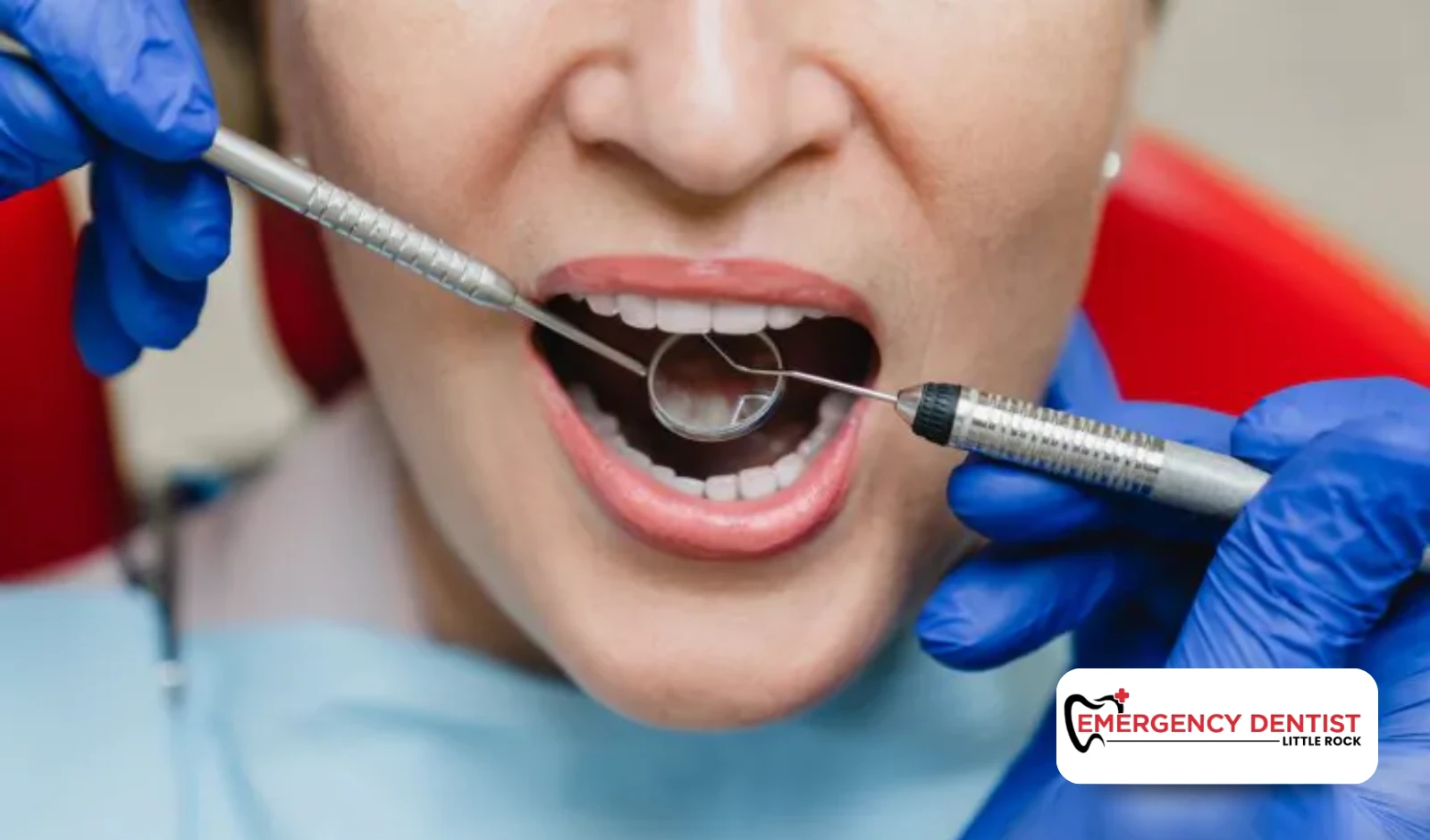
Once the root canals have been sealed, the top of the tooth needs to be restored.
A temporary filling may protect the opening between appointments. Depending on the tooth, the final restoration may be a permanent filling or crown.
The dentist chooses the restoration according to the remaining tooth structure and its functional needs.
What Happens After the Procedure?
Your dental team will explain how to care for the tooth and when normal chewing can resume. Follow those instructions, especially if treatment is not yet fully completed.
Regular dental hygiene continues to matter after a root canal. Brushing and flossing support both the restored tooth and your overall oral health.
Final Thoughts
A root canal involves removing unhealthy tissue, cleaning the internal root spaces, filling and sealing them, and restoring the tooth afterward.
An infected tooth requires professional evaluation to determine whether this procedure or another treatment is appropriate.
Get Answers About a Painful Tooth in Little Rock
When tooth pain persists, understanding the cause is the first step toward choosing appropriate care. An Emergency Dentist in Little Rock can examine the tooth, review the findings with you, and discuss treatment options based on its condition.
Frequently Asked Questions
Can a root canal be performed on a molar?
Yes. Molars can receive root canal treatment, although they often contain several canals and may require more time to treat than some other teeth.
Why might my dentist schedule a follow-up visit?
A follow-up can be used to complete a restoration or evaluate how the tooth is doing after treatment.
Can I use mouthwash after treatment?
Your dentist can advise you about your normal oral hygiene routine after the procedure. Follow any specific instructions given for the treated area.
Is the entire inside of the tooth filled with gutta-percha?
Gutta-percha is used within the prepared root canal spaces. The upper portion of the tooth is restored separately with an appropriate dental restoration.
Can a previously treated tooth need additional care?
Yes. Occasionally, a tooth that has undergone root canal treatment may need further evaluation or treatment. A dentist or endodontist can determine what is appropriate.