
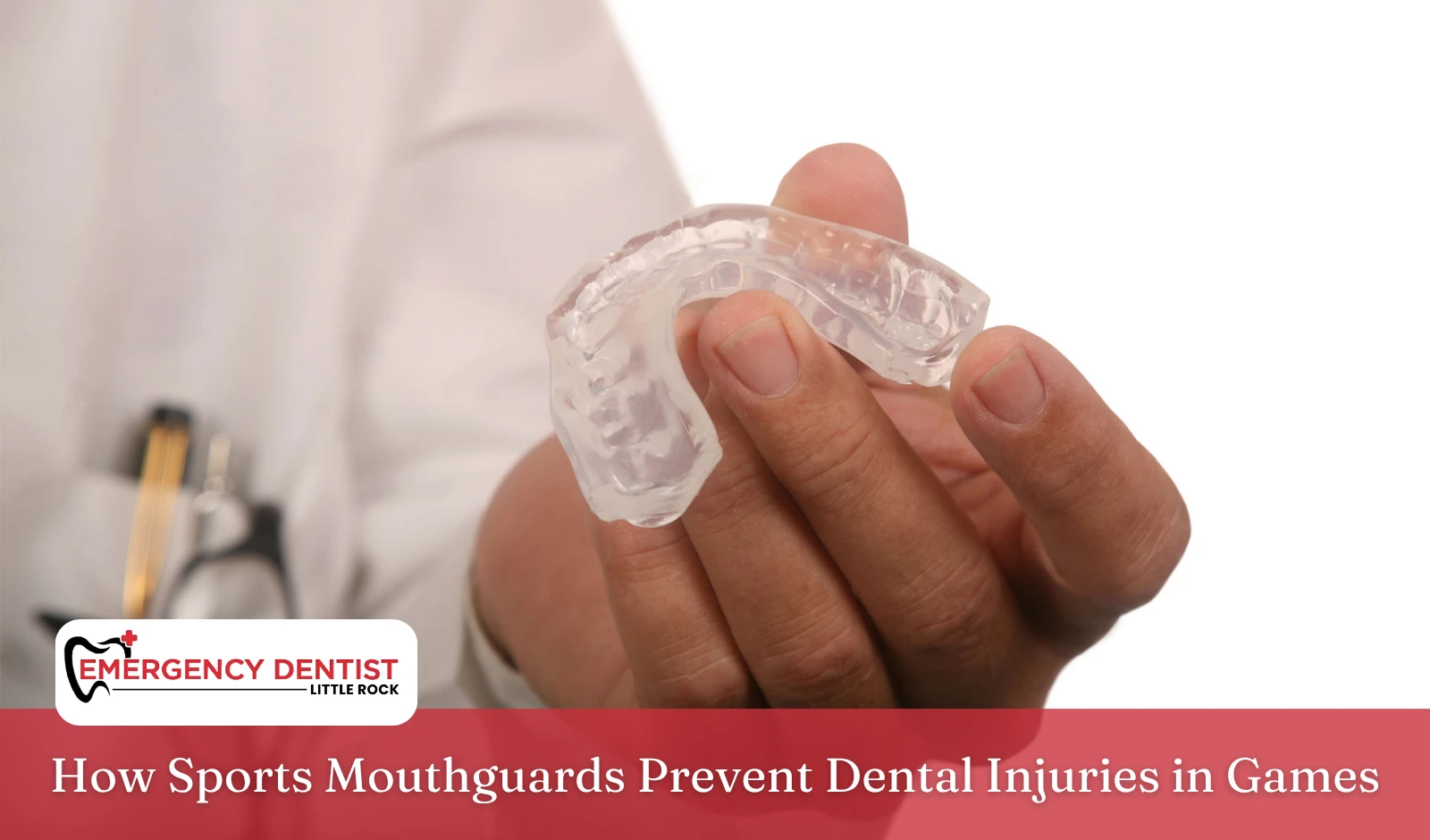
How Sports Mouthguards Prevent Dental Injuries in Games
Quick Answer
How do mouthguards lower the risk of dental injuries in sports?
Mouthguards help cushion the teeth and surrounding areas when an athlete is hit in the face, falls, or collides with another player. A properly fitting guard can help spread some of the force from an impact, which may lower the chance of broken teeth and injuries to the lips, gums, and other areas of the mouth.
Key Takeaways
- Mouthguards add cushioning around the teeth during athletic activities.
- Dental injuries can happen during practices, games, and recreational sports.
- A comfortable, secure fit helps a guard stay in place during movement.
- Stock, boil-and-bite, and dentist-made guards provide different levels of fit.
- Children and teens should have their mouthguards checked as their mouths develop.
- Consistent mouth protection can help support long-term oral health.
Sports can help children and adults improve fitness, coordination, confidence, and teamwork. At the same time, quick movements and unexpected contact can expose the mouth to injury.
Dental injuries in sports can result from a fall, a collision with another player, or contact with a ball or piece of equipment. They can occur during organized competition, regular practice, or casual recreation.
Learning how to prevent sports dental injuries helps athletes and families prepare before an accident happens. While protective equipment cannot remove every risk, a mouthguard provides a practical layer of cushioning for vulnerable areas of the mouth.
How Does a Sports Mouthguard Provide Protection?
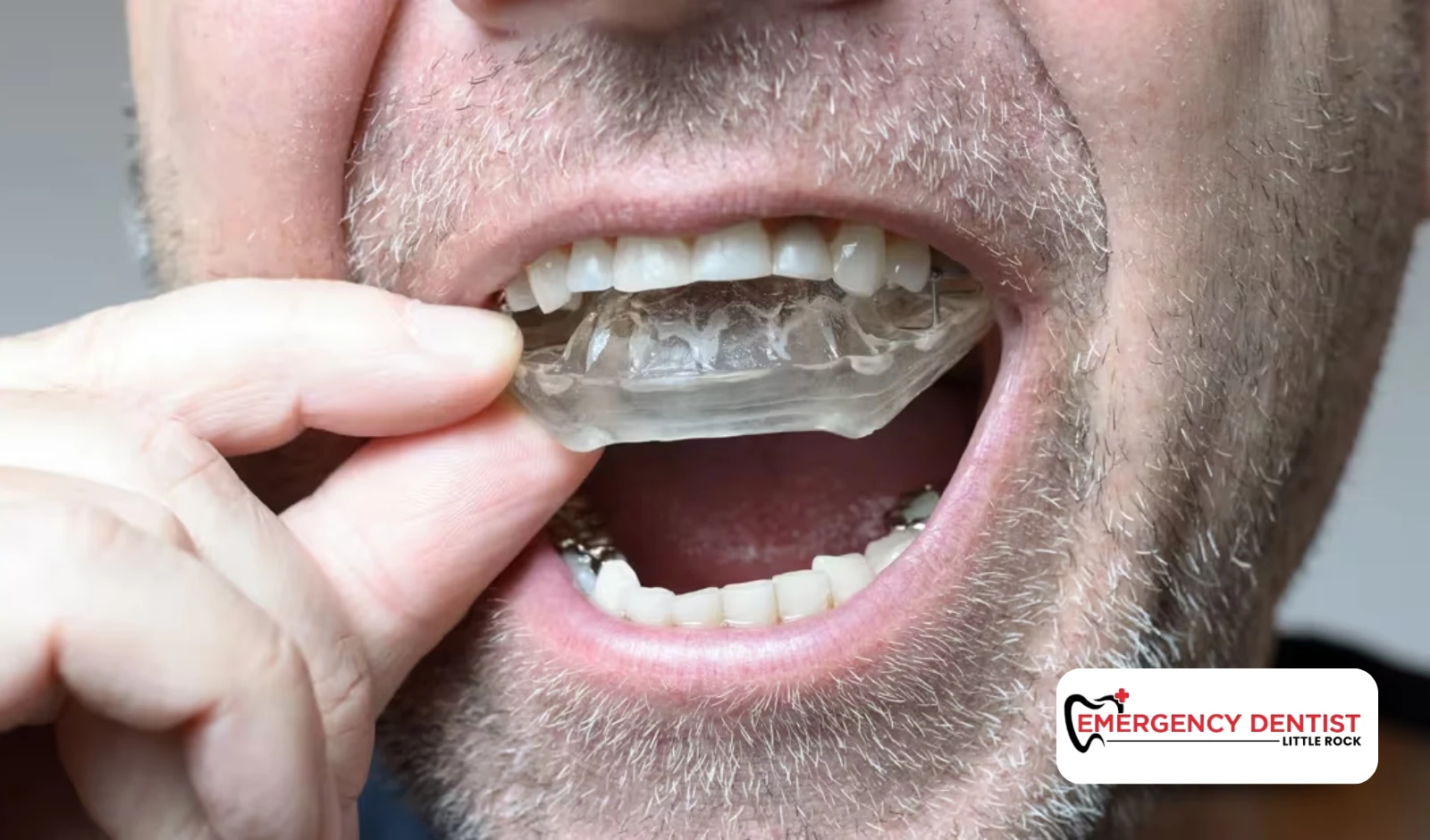
A sports mouthguard covers the teeth with a layer of protective material. If an athlete experiences a blow to the face or mouth, the material can help absorb and distribute some of the impact.
Rather than allowing the full force to reach a single tooth, the guard can spread some of it across a broader area. This helps provide protection for the teeth and jaw.
The mouthguard also creates separation between the teeth and softer areas such as the lips and cheeks. During an impact, this barrier may help limit cuts caused when those tissues are pushed against the teeth.
These protective features explain why mouthguards are commonly considered part of dental injury prevention sports safety.
Which Dental Injuries Can Mouthguards Help Reduce?
A mouthguard cannot guarantee that an athlete will avoid every injury. Its purpose is to add protection and assist with reducing the risk of certain types of damage.
Tooth fractures can happen when a direct impact causes part of a tooth to chip or break. Depending on the force, the damage may involve one or several teeth.
A more significant blow to the face may also be associated with jaw fractures, which require professional evaluation.
Athletes can experience a soft tissue injury involving the lips, cheeks, tongue, or gums as well. A mouthguard provides a barrier between these tissues and the teeth during sudden contact.
For these reasons, using appropriate protective equipment is one practical part of preventing dental injuries during athletic activity.
Which Sports May Benefit From Mouth Protection?
Mouthguards are often associated with football and boxing, but mouth injuries can occur in many other sports.
In ice hockey, athletes move quickly while dealing with physical contact, hard boards, sticks, and a fast-moving puck. An impact can happen with little warning.
People who take part in martial arts may also experience direct facial contact or falls during training and competition.
Basketball, soccer, baseball, lacrosse, wrestling, skateboarding, and gymnastics can involve accidental collisions, moving objects, or falls onto hard surfaces.
For people whose regular participation in sports includes these situations, mouth protection may be worth considering even when the activity does not involve intentional contact.
A mouthguard cannot prevent sports accidents completely, but it may help lessen the effects when an impact involves the mouth.
What Types of Mouthguards Can Athletes Choose?
The common types of mouthguards vary in fit, customization, convenience, and how they are made.
Stock Mouthguards
Stock guards are sold ready to wear in predetermined sizes. They do not require molding, which makes them a convenient option.
However, the standard shape may not match every athlete’s mouth closely. Some people may find these guards bulky or difficult to keep securely positioned.
Boil-and-Bite Mouthguards
Boil-and-bite guards offer more adjustment. The material is softened in hot water and then shaped around the teeth according to the manufacturer’s instructions.
When molded carefully, they may provide a closer fit than stock models. Comfort and stability can vary depending on the product and the fitting process.
Custom-Made Mouthguards
Custom mouthguards are created specifically for an individual’s teeth.
A dentist can evaluate the mouth and provide a guard designed around the person’s dental needs. A custom fitted mouthguard may be considered for athletes who play regularly, participate in activities with frequent contact, or have trouble finding a comfortable ready-made guard.
Why Does the Fit of a Mouthguard Matter?
A mouthguard needs to remain in place during activity to provide useful protection. If it feels loose, bulky, or uncomfortable, an athlete may be tempted to remove it.
A well-fitting guard should stay over the teeth without requiring constant biting or clenching. It should also allow the wearer to breathe comfortably and communicate when needed.
Athletes who regularly wear a mouthguard should pay attention to changes in fit. Normal use can cause the material to wear down, tear, or become distorted.
Children and teenagers may need their guards checked more frequently because their teeth and jaws are developing. Tooth movement or newly erupted permanent teeth can affect the fit.
Adults may also notice changes after receiving a filling, crown, or other dental treatment.
How Should You Care for Your Mouthguard?
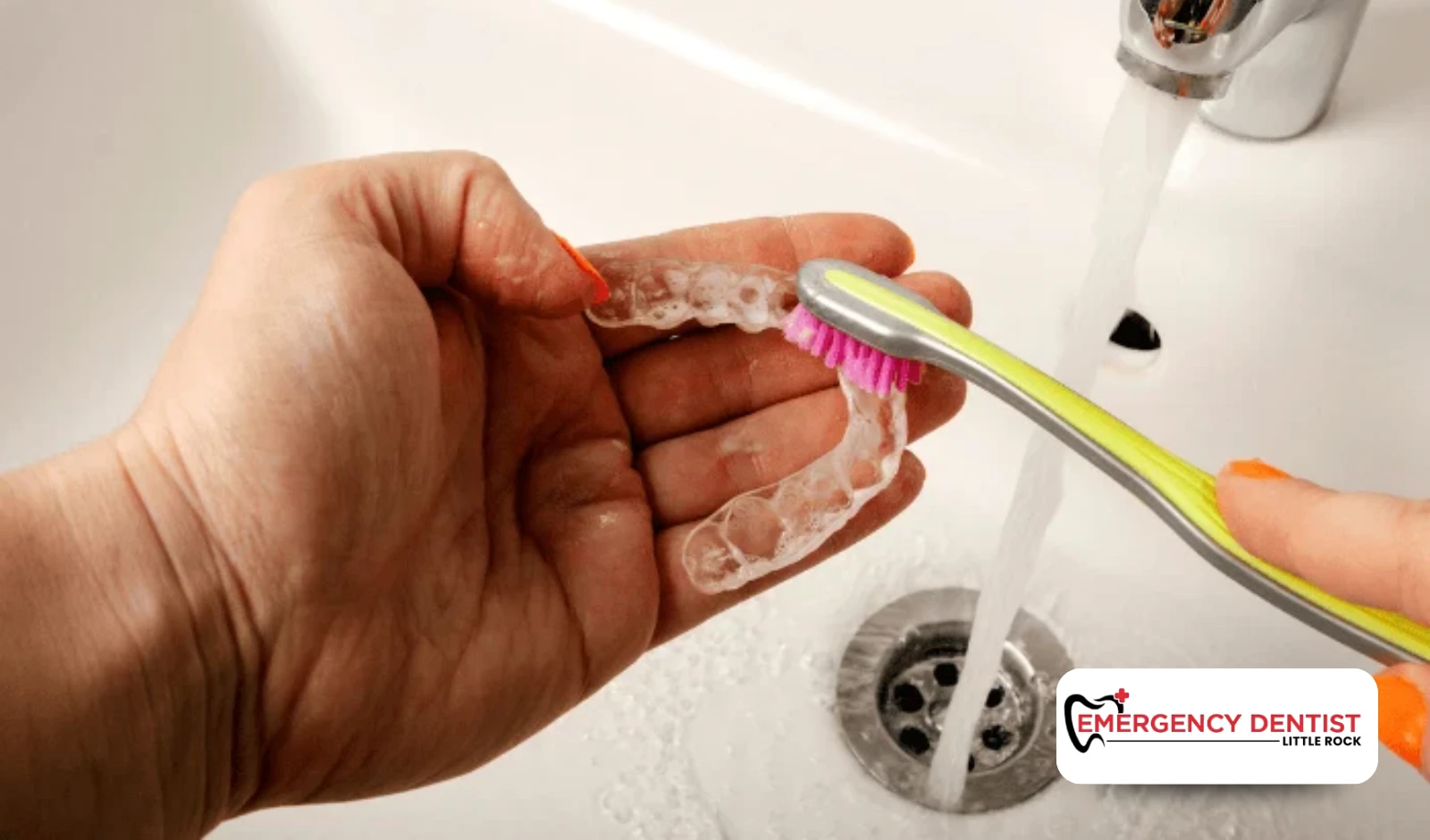
Cleaning a mouthguard after use can help keep it in good condition throughout the sports season.
Rinse the guard after practices and games, allow it to dry, and store it in a ventilated protective case. Avoid leaving it loose with other equipment where it may become damaged.
Follow the manufacturer’s directions or your dentist’s recommendations for cleaning. Excessive heat can distort some mouthguard materials and affect their shape.
Inspect the guard regularly for tears, cracks, rough edges, or areas that have become unusually thin. If it stops fitting securely, consider having it checked.
What If You Get Hurt While Wearing a Mouthguard?
Even when an athlete uses appropriate protection, dental trauma can still occur after a significant impact.
A tooth may become chipped, broken, loose, displaced, or knocked out. Persistent pain, significant bleeding, or visible damage after an accident may also need professional attention.
Some sports injuries become dental emergencies and require timely evaluation. A dental professional can examine the affected tooth and surrounding areas and explain what care may be appropriate.
A mouthguard should therefore be viewed as one part of an overall sports safety routine rather than a guarantee against every possible injury.
Final Thoughts
Understanding how sports mouthguards prevent dental injuries can help athletes and families make informed choices about protecting the mouth.
The type of guard matters, but so do fit, comfort, maintenance, and replacement. Checking the mouthguard regularly can help identify changes before they interfere with comfortable use.
By making mouth protection part of their athletic equipment, active children and adults can take a practical step toward protecting their teeth during sports.
Find Support After a Sports Dental Injury in Little Rock
When a fall, collision, or unexpected hit damages a tooth, it may not be immediately clear what kind of care is needed. A professional dental evaluation can help identify the extent of the injury and determine the appropriate next step.
An Emergency Dentist in Little Rock can evaluate sports-related injuries involving the teeth and surrounding tissues. If you or a family member develops a broken, loose, displaced, or knocked-out tooth during a game, practice, or recreational activity, contact the dental team for guidance about appropriate care.
Frequently Asked Questions
Can I wear a sports mouthguard if I have dentures?
It depends on the type of denture and your individual mouth. Removable dental appliances can affect how protective equipment fits, so discuss sports mouth protection with your dentist before using a standard guard.
What should I do if my mouthguard keeps rubbing my gums?
Persistent rubbing may indicate a problem with the fit, shape, or condition of the guard. Avoid repeatedly wearing a guard that causes irritation and have the fit checked.
Should I replace a mouthguard after orthodontic treatment?
Possibly. When braces are removed or teeth change position, an older guard may no longer fit correctly. Have the fit evaluated before continuing to use it.
Can I store my mouthguard while it is still wet?
It is better to let the guard dry before storing it. A ventilated case allows air to circulate while protecting the mouthguard between uses.
Should recreational athletes use mouthguards too?
Mouth injuries are not limited to competitive athletes. People taking part in recreational activities involving falls, collisions, or moving equipment may also benefit from appropriate mouth protection.
How do sports mouthguards help with dental injury prevention?
Sports mouthguards dental injuries prevention focuses on using a cushioning barrier to help distribute the force of an impact. A properly fitting guard may lower the chance of broken teeth, cuts inside the mouth, and other sports-related dental injuries.