How Do You Know If You Cracked a Tooth: Dental Repair Tips
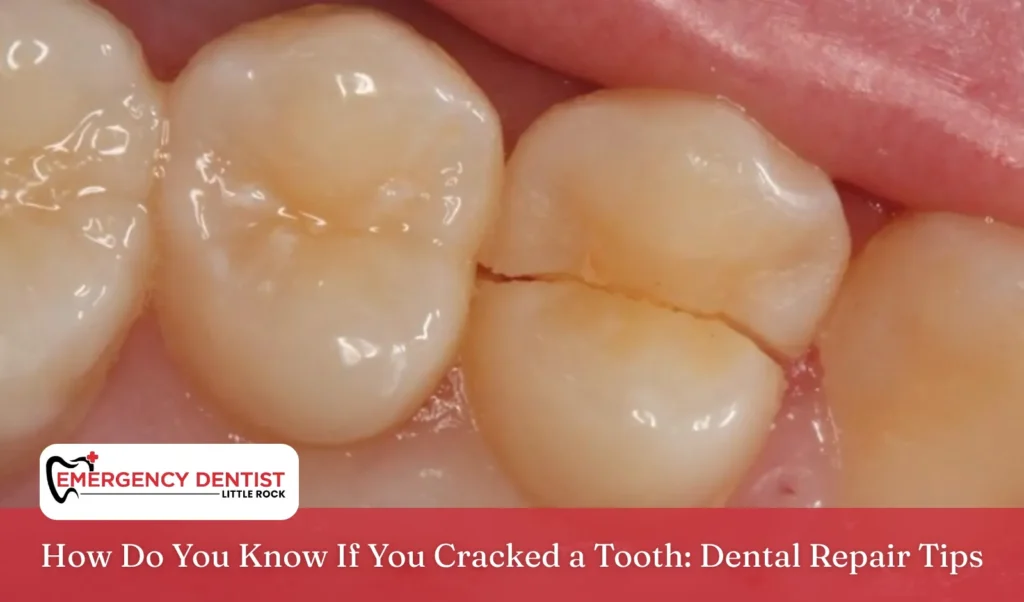
A cracked tooth may not hurt right away, but that doesn’t mean it’s harmless. Damage to the tooth enamel can expose the delicate layers beneath, leaving your tooth vulnerable to bacteria and decay. Over time, even small cracked teeth can worsen and lead to infection if not treated quickly.
In this guide, you’ll learn how to tell if a tooth is cracked, the symptoms of a cracked tooth, and the best treatment options to protect your smile. Whether it’s a minor chip or a deep fracture, prompt care from an Emergency Dentist in Little Rock can help save the tooth and keep you pain free.
Why Cracked Teeth Require Quick Action
Your teeth are built to handle pressure, but they’re not unbreakable. Everyday actions, like chewing hard foods or teeth grinding at night, can cause cracks to form. Once a tooth is damaged, it becomes susceptible to bacteria, which can enter the inner layers and lead to infection.
Recognizing the signs of a cracked tooth early helps prevent severe complications. Acting fast can be the difference between a simple filling and a more advanced dental issue such as tooth loss.
How to Tell If Tooth Is Cracked
Not all cracks are visible. Some fractures appear on the surface of the tooth, while others may be hidden below the gum line. A common misconception is that no pain means no problem, but even a small tooth fractured area can worsen if left untreated.
Minor surface imperfections, known as craze lines, are usually harmless and only affect the tooth enamel. However, deeper cracks that reach the dentin or pulp can cause pain, sensitivity, and swelling. The deeper the damage, the more likely it is to become a serious dental issue.
Symptoms of a Cracked Tooth

Recognizing the symptoms of a cracked tooth can help you act before the problem worsens. Look for:
- Pain when chewing or biting down
- Sensitivity to hot or cold foods
- Swollen gums or tenderness near the affected area
- Pain that’s hard to pinpoint, spreading across multiple teeth
- A visible line or crack on the surface of the tooth
Even if symptoms come and go, they shouldn’t be ignored. Intermittent pain or sensitivity is often a warning sign that cracks extend deeper into the tooth.
Types of Cracks and Fractures

Dentists identify cracked or fractured teeth based on how deep and where the damage occurs. Common types include:
- Craze Lines: Small, painless surface cracks that don’t need treatment.
- Fractured Cusp: When a portion of the tooth near a filling breaks off but doesn’t affect the root.
- Cracked Tooth: A deeper fracture starting at the crown and extending toward the gum line.
- Split Tooth: A severe crack that divides the tooth into two parts and may require extraction.
- Vertical Root Fracture: A crack beginning at the root and moving upward, often showing few symptoms until it leads to infection.
When small internal fractures cause pain without visible damage, dentists often diagnose it as Cracked Tooth Syndrome (CTS).
What Happens If a Cracked Tooth Is Left Untreated
A cracked tooth cannot heal on its own. If left untreated, bacteria can enter the crack, infecting the pulp and surrounding tissues. This can result in inflammation, swelling, and bone loss around the tooth.
Over time, the infection may worsen, requiring root canal therapy or, in severe cases, tooth extraction. Early diagnosis and treatment allow your dentist to save the tooth and prevent further complications.
Treatment for a Cracked Tooth
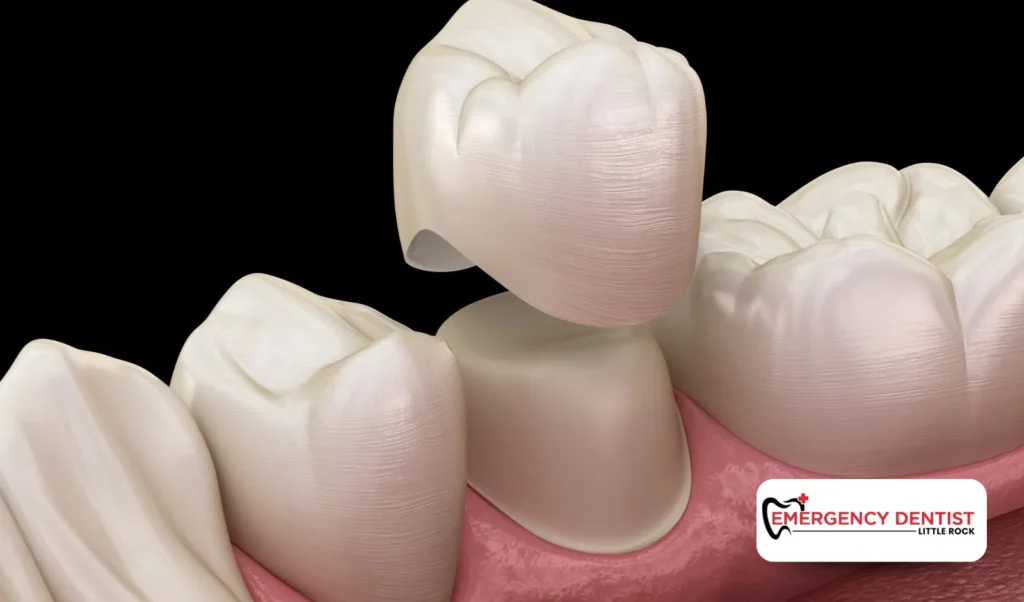
The right treatment for a cracked tooth depends on how deep and severe the fracture is:
- Dental Bonding: For small cracks that only affect the enamel.
- Crowns: To strengthen and protect teeth with moderate damage.
- Root Canal Therapy: Necessary when the pulp becomes infected or inflamed.
- Tooth Extraction: Recommended if the tooth is severely damaged or a split tooth forms.
An Emergency Dentist in Little Rock can assess your condition and recommend the best treatment plan to restore function while keeping you pain free.
How to Prevent Cracked Teeth
Prevention is always better than repair. Protect your teeth from fractures by following these tips:
- Avoid chewing hard items like ice, pens, or popcorn kernels
- Use a nightguard if you grind your teeth during sleep
- Maintain strong tooth enamel with fluoride toothpaste
- Visit your dentist regularly for checkups and early crack detection
With proper care, you can reduce the risk of developing cracked or fractured teeth and maintain a healthy smile.
When to See an Emergency Dentist in Little Rock
You should contact an Emergency Dentist in Little Rock immediately if you notice:
- Sharp or persistent pain when chewing
- Swollen gums or tenderness near the affected tooth
- A visible crack or line across the surface of the tooth
- Lingering sensitivity after eating or drinking hot foods or cold drinks
Prompt care ensures that your tooth is treated early, helping you remain pain free and avoid more serious dental complications.
Conclusion
Knowing how to tell if a tooth is cracked helps you take action before a small issue becomes a major dental problem. Even minor cracks can lead to infection if ignored. By recognizing the signs of a cracked tooth and seeking professional treatment early, you can save the tooth and restore your oral health.
If you’re wondering how do you know if you cracked a tooth, look for discomfort when chewing, temperature sensitivity, or visible lines on the enamel. Don’t delay, visit an Emergency Dentist in Little Rock for a professional, pain-free evaluation and lasting results.