Best Medication for Tooth Pain: What Really Works Fast
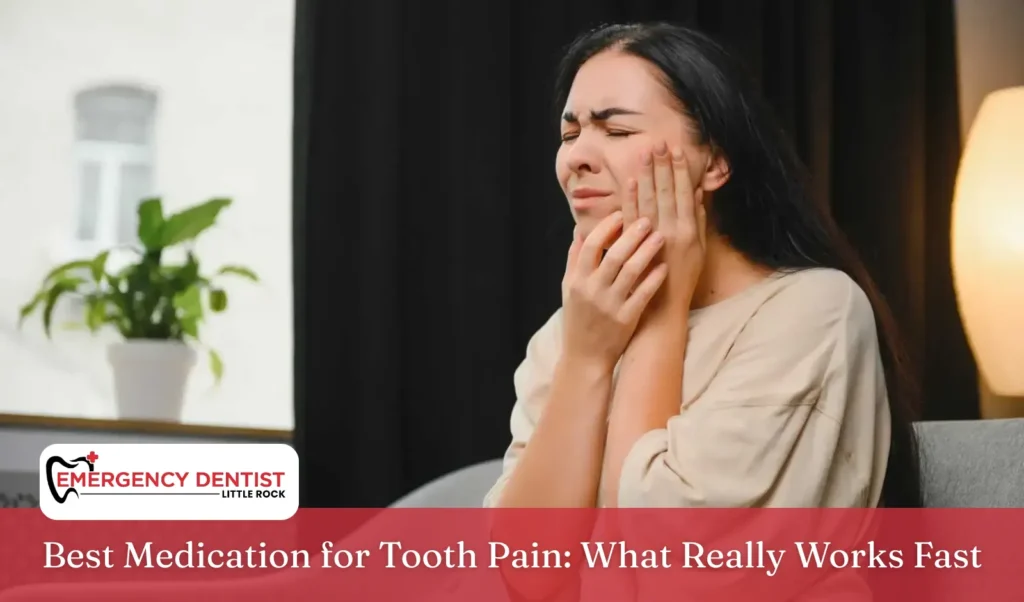
Tooth pain can strike without warning, sometimes sharp and throbbing, other times dull and lingering. Whether caused by a cavity, gum infection, or wisdom tooth, finding the right medicine for tooth pain can help you function normally while waiting for professional treatment.
In this guide, you’ll learn about the best meds for tooth pain, including over-the-counter options, prescription treatments, and natural home remedies for toothaches that provide temporary relief before you see an Emergency Dentist in Little Rock.
Common Causes of Tooth Pain
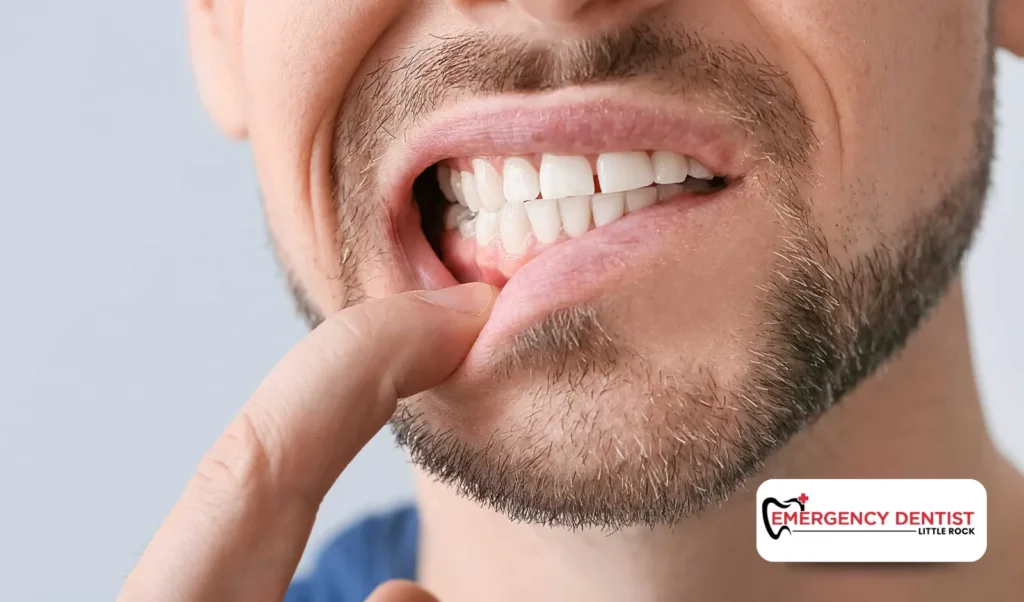
Before choosing a tooth pain medicine, it’s helpful to understand what may be causing your discomfort. Common culprits include:
- Cavities or tooth decay
- Gum disease or gingivitis
- Cracked or broken teeth
- Wisdom tooth eruption
- Dental abscess or bacterial infection
- Recovery from dental procedures (like a root canal or extraction)
No matter the cause, effective pain management is essential to keep you comfortable and prevent further damage while you address the underlying issue.
Top Over-the-Counter Tooth Pain Relief Medicines

When it comes to tooth pain relief medicine, over-the-counter options are usually the first line of defense. They help with reducing pain and inflammation and are easily accessible.
- Ibuprofen for Tooth Pain
One of the most effective counter pain relievers is ibuprofen (often sold as Advil for tooth pain). It’s a nonsteroidal anti-inflammatory drug (NSAID) that targets both pain and inflammation, making it one of the best meds for tooth pain.
Why it works:
Ibuprofen blocks prostaglandins, the chemicals responsible for inflammation and pain signaling. It’s especially helpful when your discomfort is due to swollen gums, a tooth injury, or an infection around the affected area.
How to take it:
Follow the dosage on the label unless your dentist advises otherwise. Always take it with food or water to avoid stomach irritation.
- Acetaminophen (Tylenol)
If you’re unable to take NSAIDs, acetaminophen (Tylenol) is another reliable tooth pain medication. While it doesn’t reduce inflammation, it helps by blocking pain signaling in the brain, offering temporary comfort.
Pro tip:
Some dentists suggest alternating ibuprofen and acetaminophen for improved pain management, but always consult your healthcare provider before combining medications.
Prescription Medication for Tooth Pain
If over-the-counter medications don’t work, a dentist may prescribe stronger tooth pain medicine to control severe pain or infection.
- Tramadol for Tooth Pain
Tramadol for tooth pain is a prescription opioid used for moderate to severe discomfort. It’s powerful and effective but should be used with caution.
Side effects:
It may cause drowsiness, nausea, or constipation, so it’s best reserved for short-term use under professional supervision.
- Steroid Anti-Inflammatory Drugs
In more serious cases, a dentist may prescribe corticosteroids to help with reducing inflammation and swelling, especially after dental procedures like extractions or root canals. These are stronger than standard NSAIDs and should only be used as directed.
Natural Home Remedies for Toothache Relief
While waiting to see a dentist, you can try several home remedies for toothaches that offer temporary relief and help reduce pain naturally.
Salt Water Rinse
A salt water rinse is a simple and effective way to clean the mouth and reduce swelling.
How to use:
Dissolve a teaspoon of salt in warm water and rinse your mouth for 30 seconds before spitting it out. This natural disinfectant helps with reducing pain and cleaning the affected area.
Ice Pack or Cold Compress
Applying an ice pack to your cheek near the painful area can help numb the pain and control swelling. Wrap the ice in a towel and hold it for 15 minutes at a time.
Clove Oil
Clove oil has been a trusted home remedy for tooth pain for centuries. It contains eugenol, a natural compound that works by numbing the area and fighting bacteria.
How to use:
Dip a cotton ball in a few drops of clove oil and place it gently on the affected area. This helps relieve tooth pain and discomfort temporarily.
Elevate Your Head
When lying down, try keeping your head elevated. This helps prevent blood from pooling near the affected area, which can intensify throbbing or swelling.
What’s the Best Pain Reliever for Tooth Pain?
Here’s a quick summary of the best pain relievers for tooth pain, depending on your symptoms:
Symptom | Best Medication | Notes |
General tooth pain | Acetaminophen (Tylenol) | Ideal for mild to moderate discomfort |
Inflammation & swelling | Ibuprofen (Advil) | Excellent for reducing inflammation |
Severe pain | Tramadol | Use short-term under dentist’s care |
Swelling or infection | Steroid drugs | Prescription only |
Temporary natural relief | Salt water rinse, clove oil, ice pack | Best while waiting for treatment |
These tooth pain relief medicines help manage discomfort, but they don’t address the underlying cause.
When to See an Emergency Dentist in Little Rock
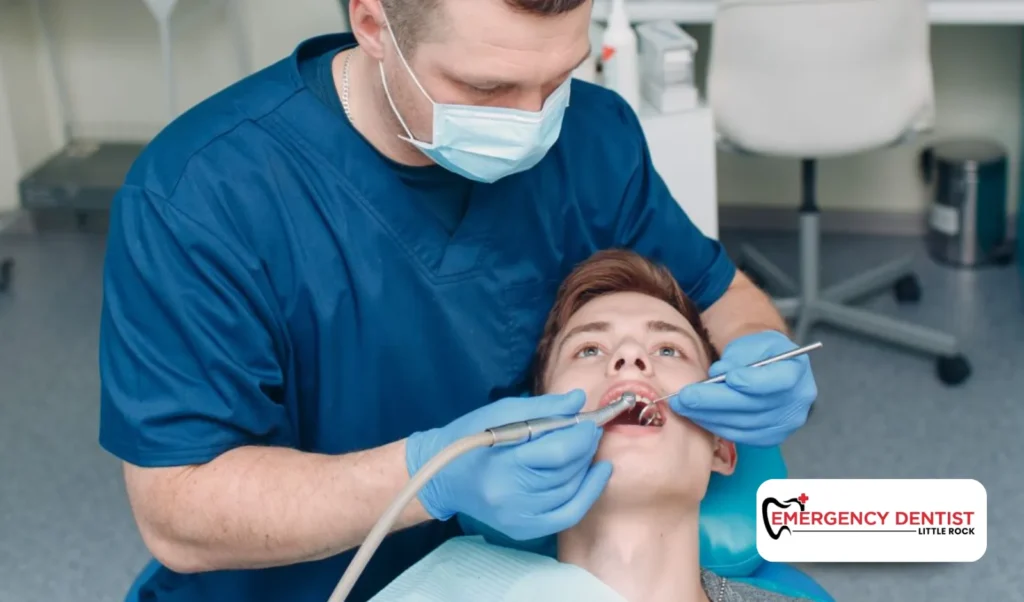
Pain medications and home remedies for tooth pain can help temporarily, but if the pain lasts more than two days or is accompanied by swelling, fever, or difficulty swallowing, it’s time to schedule an appointment with an Emergency Dentist in Little Rock.
You may need:
- A root canal to clean out an infected tooth
- A tooth extraction if the damage is beyond repair
- Deep cleaning for gum disease or infection
These procedures treat the root cause, not just the symptoms, so you can regain full oral health.
Final Thoughts
Choosing the best pain meds for tooth pain depends on what’s causing your discomfort. For most people, ibuprofen for tooth pain is an effective and accessible solution for reducing pain and inflammation. However, remember that what to take for tooth pain only manages symptoms, it doesn’t cure the problem.
If you’re in unbearable pain, try salt water rinses, clove oil, or a cold compress for temporary relief, but don’t delay professional care. A visit to an Emergency Dentist in Little Rock is the most reliable way to identify the cause, relieve pain safely, and protect your long-term oral health.