
What Causes Tooth Pain? A Clear Guide to Symptoms & Relief
Tooth pain can show up as a light ache or a sharp, intense jolt that stops you in your tracks. Whether the discomfort comes from tooth cavity pain, tooth infection pain, or irritation in the gum tissue, understanding what causes tooth pain helps you respond quickly and protect your oral health. This guide explains the top tooth pain causes, common tooth pain symptoms, and when it’s important to visit your dentist for help.
What Causes Tooth Pain?
There are many causes of tooth pain, and most are linked to problems affecting the soft tissues, nerves, or tooth enamel. Poor brushing habits, gum irritation, and infections can all trigger pain in the teeth and gums. Learning the main sources of discomfort makes it easier to find proper pain relief and avoid bigger dental problems later.
1. Tooth Decay Pain

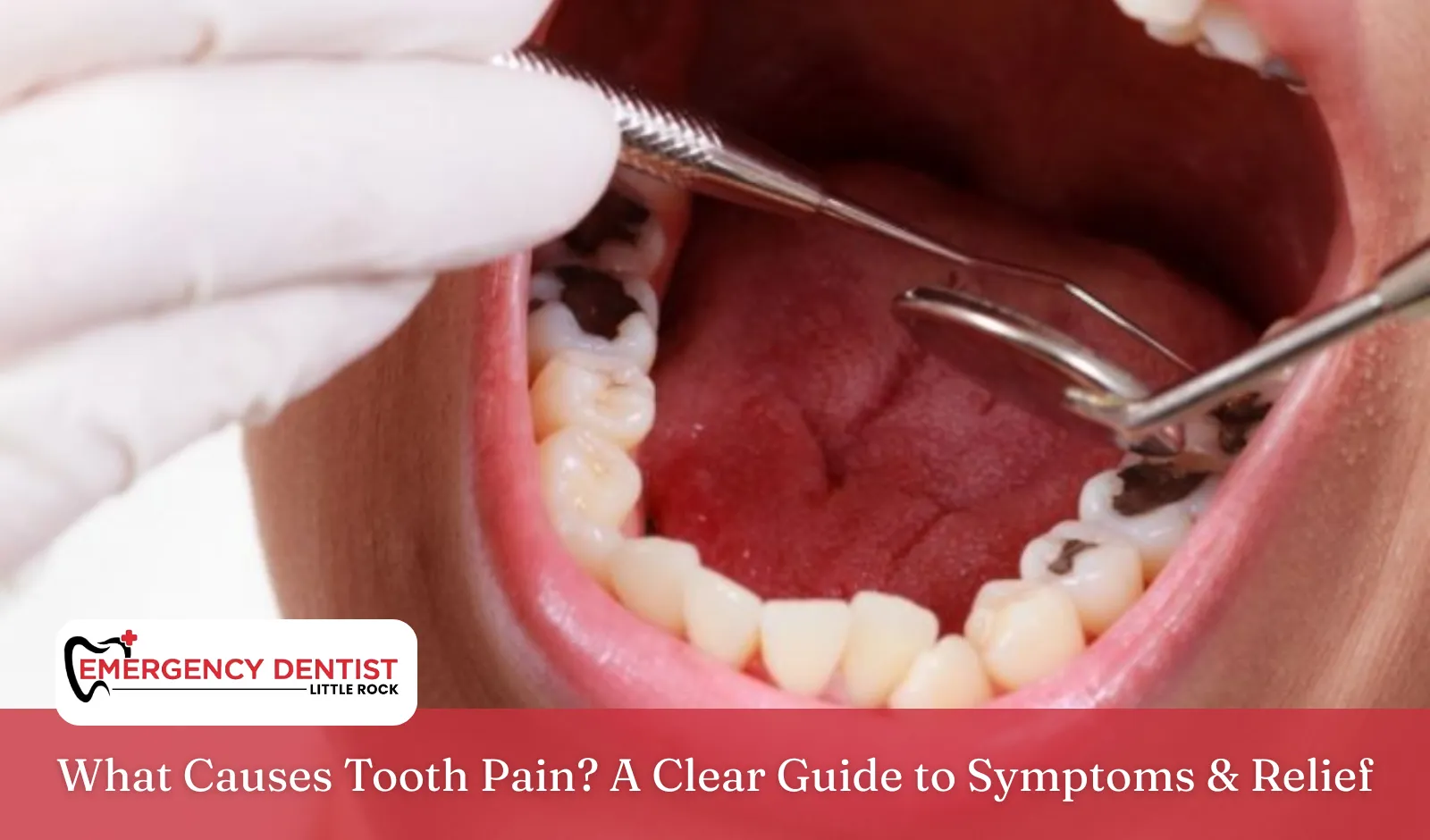
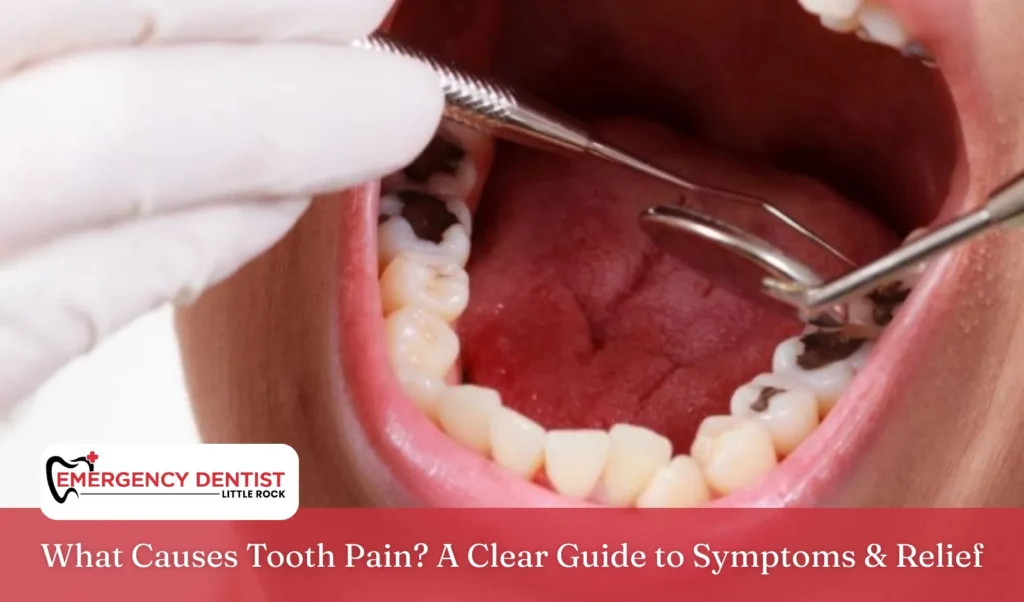
One of the most common causes of tooth pain is tooth decay. When sugars and acids weaken the tooth enamel, the sensitive layers beneath become exposed. Early signs often include tooth sensitivity when eating or drinking something cold or sweet. If the decay deepens, you may experience more persistent tooth cavity pain and a higher risk of bacterial infection or even tooth abscesses.
Helpful tip: Brush your teeth twice a day with fluoride toothpaste to protect enamel and reduce decay.
2. Hole in Tooth Pain
A visible cavity or hole in the tooth signals advanced decay. Hole in tooth pain can feel sharp when chewing or biting and may cause a bad taste in your mouth. Sensitivity during eating or drinking is common. This kind of discomfort means you need dental treatment soon because the affected area can quickly worsen if ignored.
3. Tooth Infection Pain and Abscess Tooth Pain
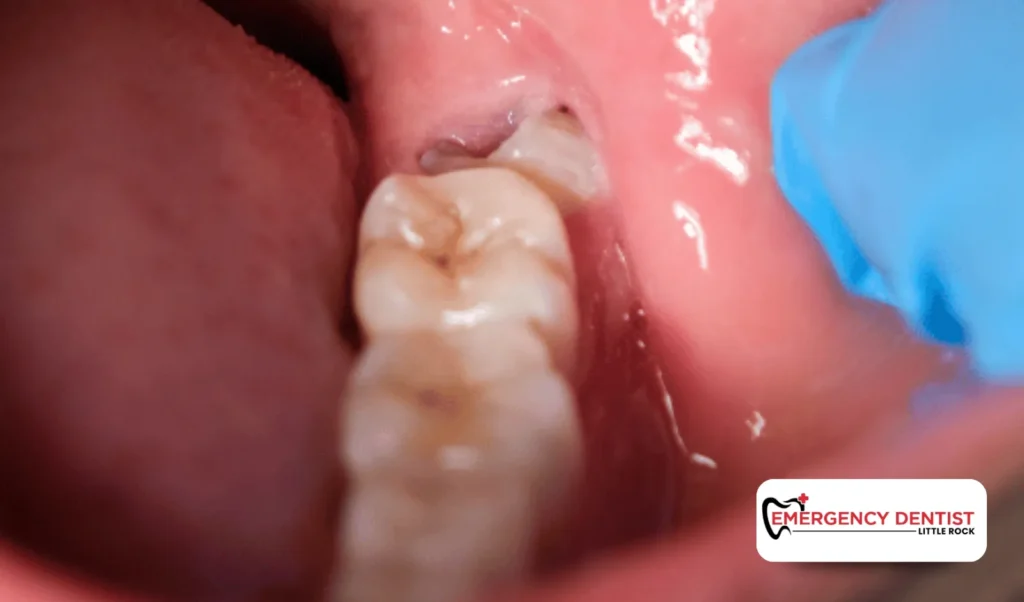
When decay or injury reaches the pulp, bacteria can cause a tooth infection. This can lead to an abscessed tooth, which creates a pocket of pus in the soft tissues. Abscess tooth pain is often severe, throbbing, and accompanied by facial swelling, fever, or trouble chewing. Tooth abscesses can be dangerous if untreated, as the infection may spread beyond the tooth.
Urgent reminder: If you notice swelling, fever, or intense tooth infection pain, call your dentist immediately.
4. Gum Disease and Tooth Pain
Poor brushing or flossing habits can irritate the gum tissue and eventually lead to gum disease. Early stages may cause gum pain by tooth, bleeding, or tenderness. As gum disease and tooth pain progress, gum recession may occur, exposing the roots and making teeth more sensitive. Advanced gum disease may even lead to loose tooth pain when the bone supporting the tooth becomes weak.
5. Loose Tooth Pain
Loose tooth pain in adults is almost always a sign of a deeper issue. This can happen from severe gum disease, trauma, or an untreated bacterial infection. Pain when biting down and swelling around the gums are common symptoms. Prompt dental treatment is essential to prevent tooth loss.
6. Cold and Tooth Pain

If drinking or breathing in cold air triggers discomfort, you may have cold and tooth pain caused by thinning enamel, gum recession, or tiny cracks in the tooth. These dental issues expose sensitive nerves and make eating or drinking uncomfortable.
Using fluoride toothpaste and avoiding acidic foods can help lower tooth sensitivity.
7. Tooth Pain Symptoms to Look For
Recognizing early tooth pain symptoms can help you avoid bigger problems later. Common signs include:
- Constant aching or sharp, shooting pain
- Red or swollen gum tissue
- Pain when you brush or floss
- Sensitivity when eating or drinking hot, cold, or sweet items
- Unpleasant bad breath or a lingering bad taste
- A visible hole in the tooth
- Swelling in the jaw or face
- Discomfort when chewing
Sometimes tooth pain is linked to a sinus infection, especially in the upper back teeth.
8. The Role of Dry Mouth
Dry mouth decreases saliva, which normally helps wash bacteria away from the teeth and gums. Without enough moisture, you’re more likely to develop tooth decay pain, cavities, and bacterial infection. Dry mouth may be caused by medications, dehydration, or breathing through your mouth while sleeping.
9. Home Remedies and When to Call Your Dentist
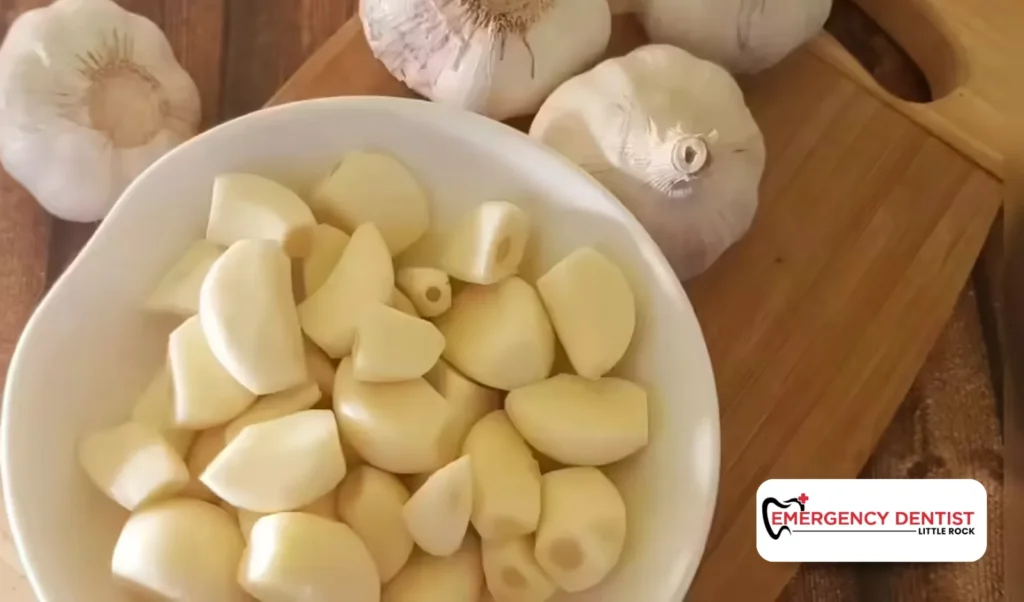
Home remedies may offer temporary relief, but they won’t solve deeper causes of tooth pain. You can gently rinse your mouth with warm salt water, apply clove oil, or take over-the-counter medication. Still, these are short-term solutions only.
Call your dentist if you notice:
- Pain lasting more than 48 hours
- Swelling, fever, or pus
- Throbbing abscess tooth pain
- Trouble chewing or touching the affected area
- Worsening sensitivity or bleeding gums
Getting dental treatment early helps stop infection, protect tooth enamel, and prevent serious complications.
Final Thoughts
Toothaches are warning signs that something is affecting your teeth and gums. Whether it’s tooth cavity pain, gum disease and tooth pain, or the early stages of an abscessed tooth, taking action early is the safest way to protect your oral health. Brush or floss daily, use fluoride toothpaste, and schedule regular dental checkups to avoid many causes of tooth pain.
If you’re unsure about your symptoms, connect with a trusted Emergency Dentist in Little Rock to get the care you need and restore your comfort.