Can Tooth Pain Cause Headaches? A Helpful Guide
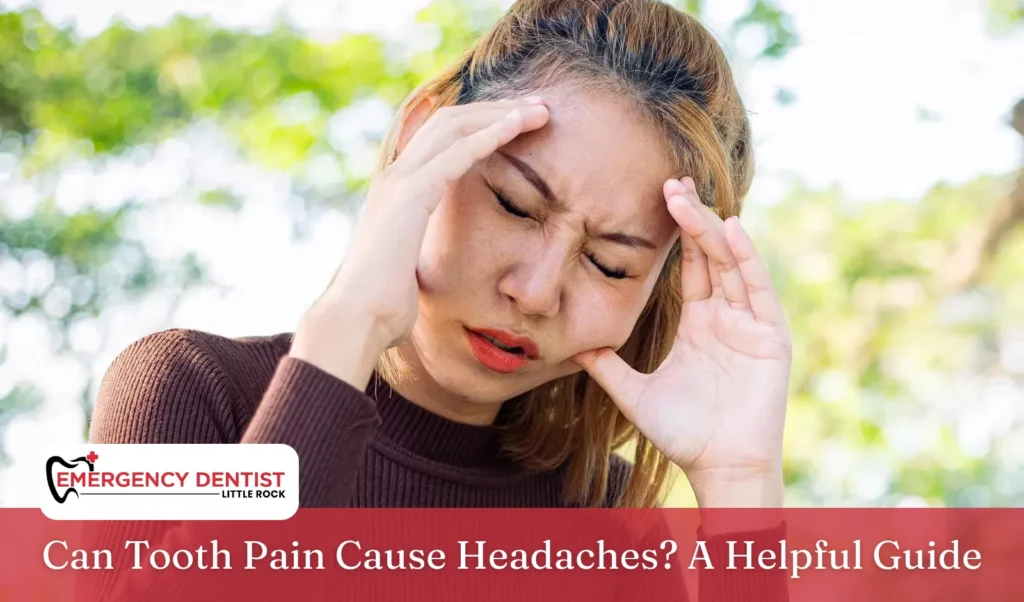
Many people ask, “Can tooth pain cause headaches?” Yes, dental issues often create head pain because the nerves and blood vessels in your mouth and head are closely connected. Whether you feel a dull ache, a sharp toothpain headache, or both headache and tooth pain at the same time, these symptoms may point to deeper oral health problems that should not be ignored. In some cases, you may even need help from an Emergency Dentist in Little Rock. This guide explains how dental issues cause headaches, what signs to look out for, and when to take action.
Why Tooth Pain Can Lead to Headaches
Your mouth and head communicate through the trigeminal nerve, a major nerve that supplies sensation to the teeth, jaw, cheeks, and forehead. When this nerve becomes irritated, often because of gum disease, tooth infections, or temporomandibular joint disorder, it can trigger referred pain that feels like a headache.
This is why even a small dental problem can turn into a much bigger discomfort if left untreated. Once the trigeminal nerve becomes inflamed, head pain and tooth pain can appear together.
Common Dental Issues That Trigger Headaches

Several dental problems can lead to both tooth pain and headaches:
1. Tooth Infections or Abscesses
When bacteria reach the inner layers of the tooth, they cause swelling and severe discomfort. These tooth infections often irritate surrounding nerves, causing headaches that worsen over time if left untreated.
2. Teeth Grinding (Bruxism)
Teeth Grinding puts pressure on the jaw muscles and joints. This tension often moves upward, resulting in headache and tooth pain, especially when waking up.
3. Temporomandibular Joint Disorder
TMJ issues affect how the jaw moves. This disorder can cause jaw soreness, pressure near the ears, and frequent headaches because of its close connection to the trigeminal nerve.
4. Impacted Wisdom Teeth
Wisdom teeth that cannot fully erupt may press against nerves or other teeth, causing swelling and pain that can radiate into the head.
5. Sinus Infections
Inflamed sinuses can press against the roots of upper teeth, causing pain that feels like a toothache and headache at the same time. Sometimes a dental problem may worsen sinus symptoms.
6. Cracked Tooth Syndrome
Small fractures inside a tooth can irritate the inner nerve. This often causes sharp pulses of pain that spread through the face and head.
How Dentists Diagnose Tooth-Related Headaches
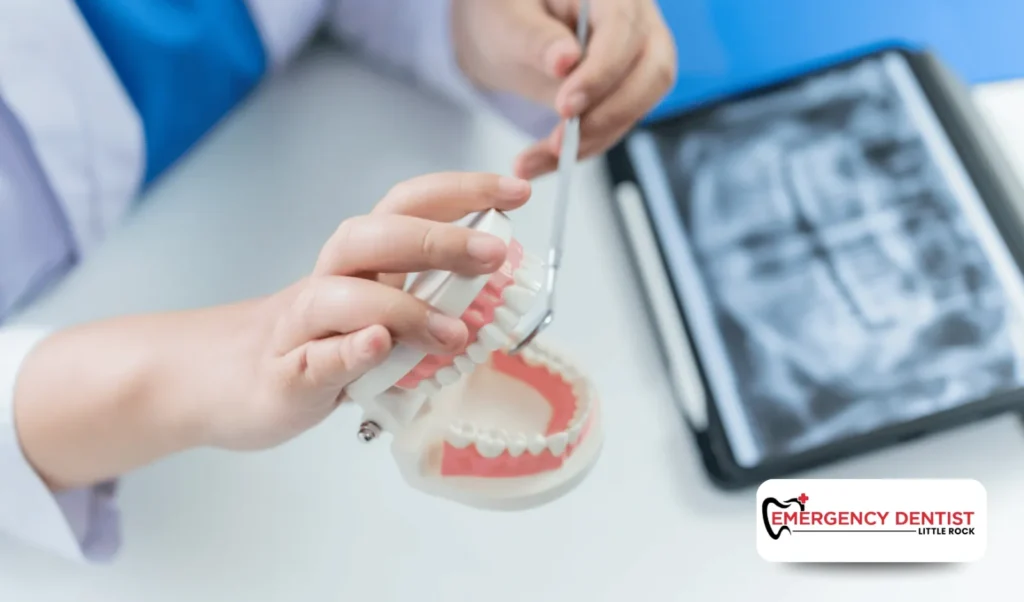
To determine whether your headache is connected to a dental issue, a dental professional may perform:
- A visual exam for tooth decay, cracks, or gum disease
- Digital X-rays to identify tooth infections or bone problems
- Evaluation of TMJ movement and jaw tension
- Review of headache triggers, dental history, and symptoms
- Questions about dental care habits and frequency of dental visits
Identifying and treating the source early prevents the problem from becoming more serious.
When to Contact an Emergency Dentist in Little Rock
Some dental problems should be treated right away:
- Tooth abscesses: These can spread quickly and may require a root canal. Left untreated, infection can reach nearby blood vessels.
- Severe grinding or TMJ pain: You may need a custom night guard to protect your jaw and reduce headaches.
- Impacted wisdom teeth: These may require surgical removal, especially if they cause swelling or sinus pressure.
Seek immediate care if you experience swelling, fever, intense headache and tooth pain together, or trouble chewing.
Preventive Dental Care Tips
Good oral health is one of the best ways to prevent toothpain headaches. Here are effective steps to protect your dental health:
- Brush and floss daily using fluoride toothpaste
- Avoid sugary foods that contribute to tooth decay
- Use a night guard if you grind your teeth
- Schedule regular dental visits for routine dental procedures
- Be cautious with whitening products that may irritate sensitive teeth
- Try home remedies like cold compresses to ease temporary discomfort
- Rinse your mouth with warm saltwater (a teaspoon of salt in a cup of water) to reduce inflammation
These practices strengthen oral health and reduce the risk of dental issues that cause headaches.
Special Note: Tooth Pain While Pregnant
Pregnant women experience tooth pain while pregnant more often due to hormonal changes. These changes may increase the risk of gum disease and morning sickness, both of which affect oral health. As enamel weakens or gums become inflamed, the trigeminal nerve may become irritated, leading to headache and tooth pain.
Many dental procedures are safe during the second trimester, but always consult both your dentist and healthcare provider before treatment.
Take Action Before the Problem Gets Worse
So, can tooth pain cause headaches? Yes, dental issues like tooth decay, gum disease, TMJ problems, and infections often lead to referred head pain through the trigeminal nerve. Addressing dental problems early can prevent complications and provide lasting relief.
If you’re experiencing headache and tooth pain in Little Rock, reach out to an emergency dentist promptly. Protecting your oral health now can prevent more serious issues later.