What To Do for a Chipped Tooth: At-Home Help Guide
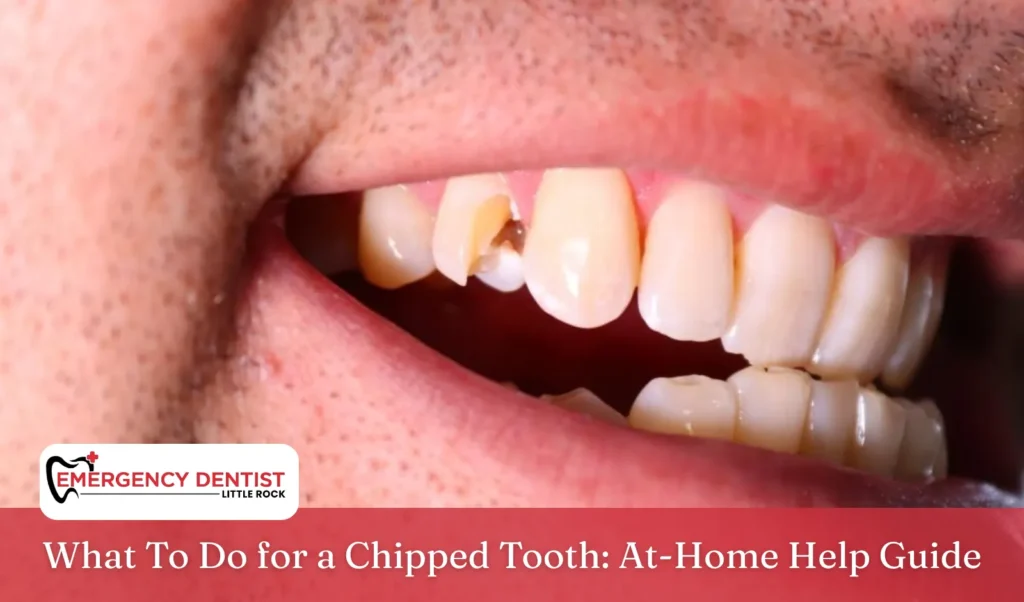
A chipped or broken tooth can happen in an instant. You might bite down on something hard, take a fall, or grind your teeth at night without realizing it. While some chips only affect the outer tooth enamel, others can expose deeper layers that protect the nerves and blood vessels. This can lead to pain, sensitivity, or even a dental emergency if not treated quickly.
If you’re unsure what to do for a chipped tooth, what to do for a chipped front tooth, or what to do for a chipped tooth pain, this simple guide explains everything you need to know. You’ll learn what to do for a chipped tooth at home, which home remedies actually help, and when it’s time to call or visit an Emergency Dentist in Little Rock.
Common Causes of a Chipped or Broken Tooth
Before jumping into the treatment options, it helps to understand what typically causes a chipped or broken tooth and how your tooth structure can become weakened.
Here are common reasons:
- Biting down on hard foods like nuts, ice, or hard candy
- Sports injuries or facial trauma
- Untreated cavities that weaken part of the tooth
- Grinding your teeth while sleeping
- Using teeth as tools to open packages or bottles
- Poor oral health, which can thin enamel over time
Even with good habits, accidents happen. The good news is that there are effective ways to protect the tooth until you get proper treatment.
What To Do for a Chipped Tooth at Home
If you can’t reach a dentist right away, there are safe steps you can take at home to protect the tooth and reduce swelling or irritation.
- Rinse With Warm Salt Water
Mix warm water with salt and gently swish it in your mouth. This removes bacteria around the chipped area and soothes irritated gums.
- Cover the Jagged Edges
A chipped tooth often leaves jagged edges that can cut your tongue or cheek. To protect the tooth and surrounding tissues:
- Use dental wax, or
- Press sugar free gum over the chipped area
This barrier makes it easier to eat and talk comfortably.
- Apply a Cold Compress
Use a cold compress on your cheek for 10–15 minutes at a time. This helps reduce swelling, especially if the chipped tooth happens after an impact.
- Eat Soft Foods Only
Until you see a dentist, stick to soft foods like eggs, soups, yogurt, and mashed potatoes. Avoid chewing on the injured side, and stay away from hard or sticky foods that can worsen the damage.
- Avoid Hot or Cold Foods
A chipped tooth can become sensitive to hot or cold temperatures. Drinking ice water or hot coffee might trigger sharp pain, especially if the deeper layers of the tooth are exposed.
- Save Any Broken Pieces
If part of the tooth breaks off, place the piece in milk or saline. Sometimes dentists can reattach the piece depending on its condition.
- Use Over-the-Counter Pain Relievers
If you’re experiencing discomfort, take ibuprofen or acetaminophen. These pain relievers help ease soreness but won’t repair the tooth.
How To Tell If a Chip Is Minor or Serious
Not every chipped tooth requires emergency treatment, but it’s important to know which signs to watch for so you can protect your oral health.
Minor Chip
- Only affects the enamel
- Tooth feels slightly rough
- No severe pain
- Usually a cosmetic issue
Major Chip or Crack
- Sharp or jagged edges
- Pain when chewing or biting
- Sensitivity to hot or cold
- Visible break or missing chunk
- Bleeding around the gum
- Tooth feels loose
Even minor chips can turn into serious problems if ignored, especially if bacteria enter the damaged area.
How Dentists Repair a Chipped or Broken Tooth
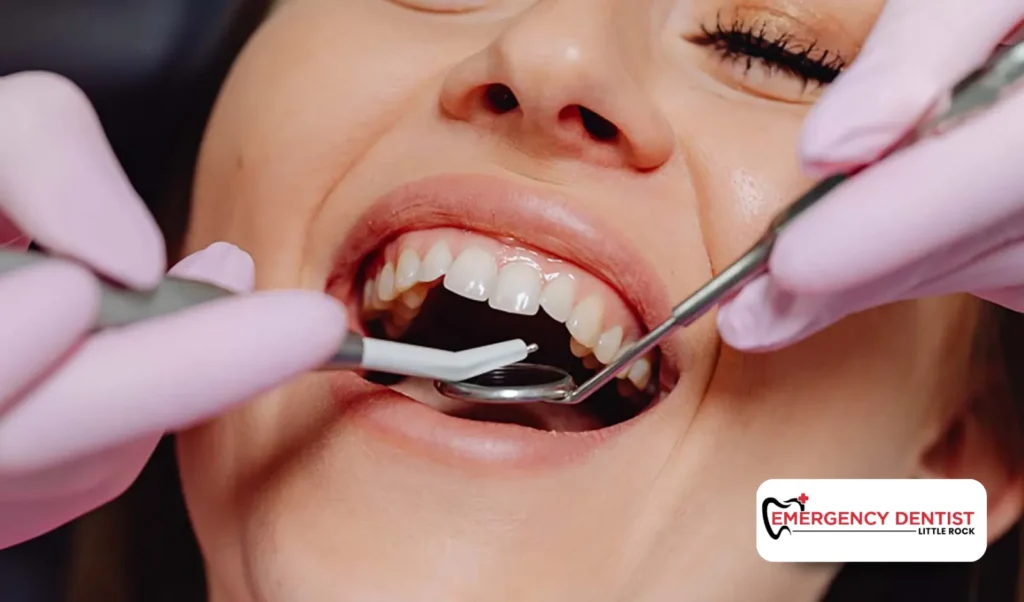
A dentist in Little Rock will examine your tooth, assess the damage, and provide the best treatment options based on the size and depth of the chip.
Good for small chips and front teeth. A tooth-colored resin is shaped to replace the missing piece. This is quick, painless, and ideal for minor damage.
- Dental Crowns
If a large portion of the tooth structure is missing or the tooth is too weak, dental crowns may be needed. Crowns cover the entire tooth and restore strength, shape, and appearance.
- Veneers
Thin porcelain veneers are used on front teeth to restore appearance and strengthen weakened enamel. Veneers are popular for cosmetic dental repairs.
If the chip exposes the inner pulp or causes infection, your dentist may perform a root canal. This removes damaged tissue and prevents infection. A crown is usually placed afterward.
- Dental Implants
If the tooth cannot be saved, dental implants may be recommended. Implants replace the entire tooth and look and function like natural teeth.
When It’s a Dental Emergency
Contact an Emergency Dentist in Little Rock right away if:
- You have persistent or severe chipped tooth pain
- The tooth is loose or unstable
- The chip is deep or close to the gum line
- You notice swelling, redness, or signs of infection
- You can’t bite without discomfort
- Part of the tooth is missing or completely broken
An Emergency Dentist in Little Rock can often provide same-day treatment, which helps protect the tooth and prevent complications.
Long-Term Ways to Prevent Chipped Teeth
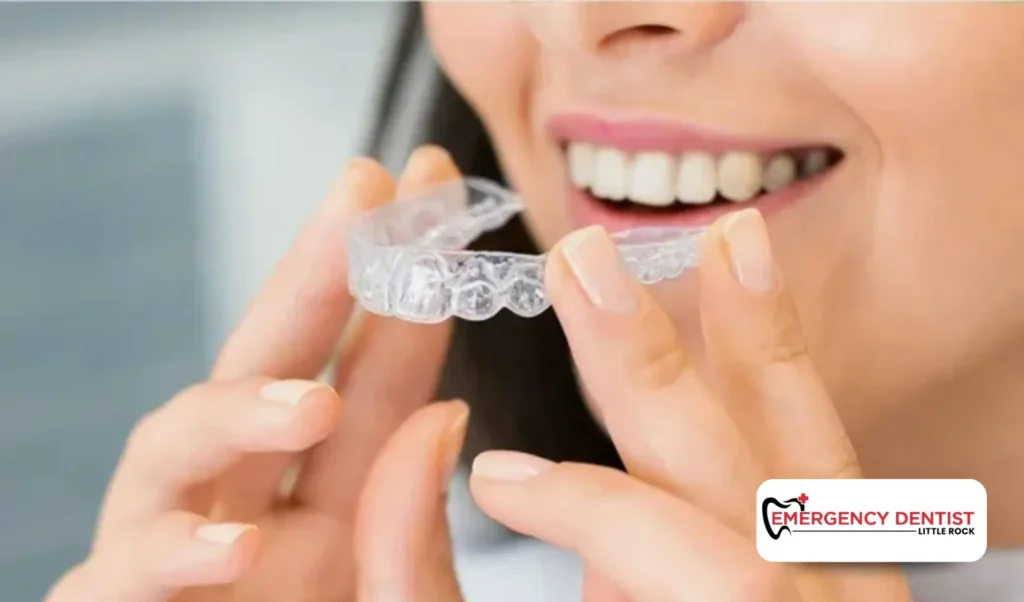
After repairing your chipped tooth, you can take simple steps to prevent future damage.
Protect Your Teeth By:
- Wearing a nightguard if you grind your teeth
- Avoiding hard or crunchy foods
- Never using your teeth as tools
- Maintaining good oral health habits
- Visiting your dentist regularly for checkups and cleanings
Keeping your enamel strong helps prevent future chips and supports overall oral health.
Don’t Ignore a Chipped Tooth
Even a small chip can create bigger issues if untreated. Understanding what to do for a chipped tooth at home, how to manage pain, and when to seek professional help gives you the best chance at protecting your smile and avoiding long-term complications. Taking quick action not only reduces discomfort but also protects the tooth structure and prevents the damage from spreading.
If you have a chipped or broken tooth, jagged edges, sensitivity, or pain when chewing, contact an Emergency Dentist in Little Rock as soon as possible. Early treatment helps prevent infection, protect the tooth, and restore comfort quickly, ensuring your oral health stays strong and your smile remains safe from further damage.