Chipped Back Tooth No Pain? What You Need to Know
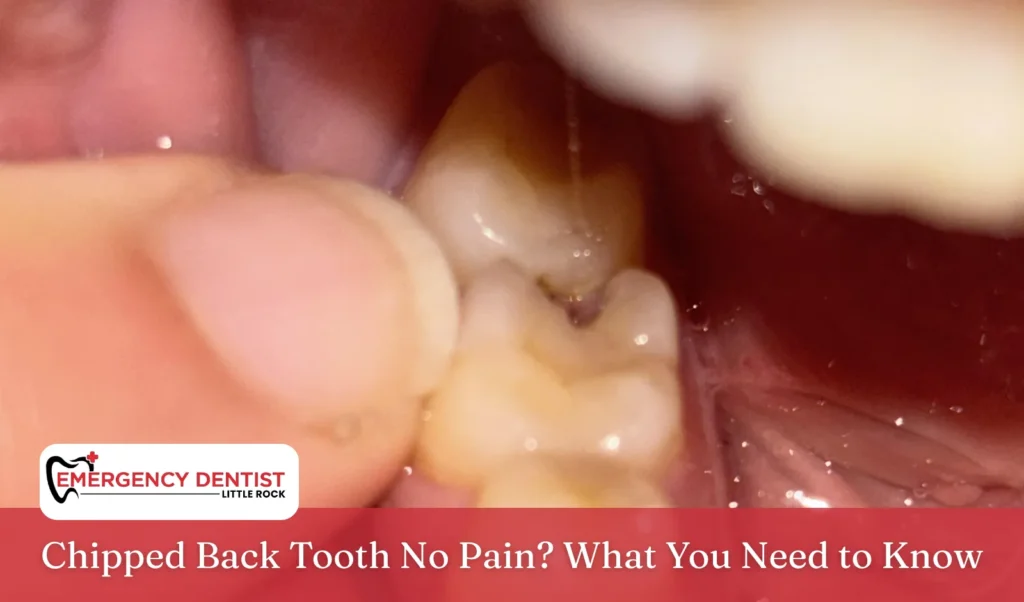
Discovering a chipped back tooth with no pain situation can be surprising, especially if you didn’t bite anything hard or feel any sensitivity. You might be tempted to ignore it since there is no discomfort, but even a back tooth chipped no pain can lead to serious dental problems over time. Whether it’s a small chip or crack or a back tooth chipped off no pain, understanding the risks and acting early is essential to protect your oral health.
Why a Chipped Back Tooth May Not Hurt
A chipped tooth doesn’t always cause pain. That’s because the damage often affects only the enamel, which doesn’t contain nerves. When the part of the tooth with the chip hasn’t reached the tooth’s nerve, you won’t feel much sensitivity. However, once the crack or chip gets deeper into the dentin or pulp, you may start experiencing sensitivity to hot or cold foods, pressure discomfort, or even severe pain that may require a root canal.
Even without pain, damage can lead to:
- Increased risk of decay and infection
- Sharp edges that irritate the tongue, cheek, or gum line
- A weakened tooth more likely to become a broken tooth
- Risk of needing root canals or extractions
What Causes a Chipped Back Tooth With No Pain?

You might not always know when or how it happened. A chip or crack can develop slowly before becoming noticeable. Common causes include:
- Grinding your teeth during sleep (bruxism)
- Chewing hard foods like ice, nuts, or candy
- General wear and tear of enamel
- Old or damaged dental fillings
- Using your teeth to open bottles or packages
- Minor injuries from sports or accidents
Sometimes, damage starts as a faint crack and spreads over time without causing immediate pain.
Risks of Ignoring a Chipped Tooth
Even when there is a back tooth chipped with no pain, ignoring it can make the problem worse. Possible risks include:
- Sharp edges that irritate soft tissues
- Bacteria entering through the crack, causing decay
- A small chip turning into a deeper fracture
- Infection that may require a root canal
- Tooth becoming too damaged and needing extraction
Getting dental attention early helps prevent further damage and may save you from expensive treatments later.
What You Should Do at Home First
If your back tooth chipped off no pain, here are simple steps you can take before seeing your dentist:
- Rinse gently with warm water to clean the area
- Avoid biting or avoiding chewing on the affected side
- Use sugar-free gum or dental wax to cover any sharp edges
- Avoid hot, cold, or sugary foods that might irritate the area
- Take over-the-counter pain relievers if sensitivity begins
These steps help protect the chipped area and reduce the risk of infection.
Common Treatment Options for a Chipped Back Tooth
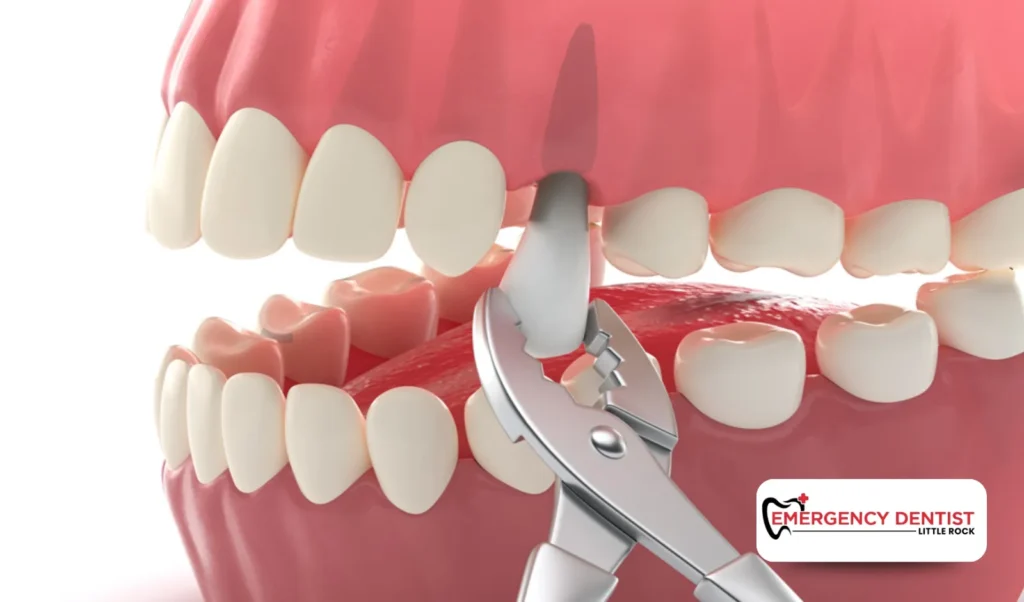
The best treatment options depend on the size and depth of the damage. Here are the common treatment choices your dentist may recommend:
Great for minor chips, dental bonding uses tooth-colored resin to cover the damaged area and restore its shape. This is typically quick and cost-effective.
If a large part of the tooth is chipped, a crown may be placed to strengthen and protect the tooth, especially for chewing.
- Root Canal
If the tooth’s nerve is exposed or infected, a root canal is needed to clean out the damaged tissue before sealing and protecting the tooth.
- Tooth Extraction and Replacement
If the tooth is too damaged and cannot be saved, root canals or extractions may be necessary. The extracted tooth can be replaced with an implant or bridge.
When to See an Emergency Dentist in Little Rock
While not all chips require urgent care, you should contact an Emergency Dentist in Little Rock if:
- You see a visible crack or chip spreading
- You feel sensitivity to hot or cold foods
- The sharp edges are irritating your gums or cheek
- There are signs of decay or discoloration
- You suspect the damage is getting worse
A timely exam can prevent the issue from turning into a serious dental emergency.
How to Protect Your Teeth From Future Damage
Here are simple ways to protect your teeth and avoid more chipping:
- Wear a night guard if you grind your teeth
- Avoid chewing ice, pens, or hard candy
- Use a mouthguard during sports
- Visit your dentist regularly for checkups
- Don’t ignore even small signs like minor chips or sensitivity
- Maintain strong enamel through good dental care
Strong, healthy teeth are less likely to chip, crack, or break.
Conclusion
A chipped back tooth no pain may feel like a minor issue, but it should never be ignored. Even without discomfort, damage can lead to bigger problems like infection, sensitivity, or the need for a root canal. Taking early action ensures easier and more affordable treatment, such as dental bonding, instead of more complex procedures later.
Whether it’s a small chip or crack or a back tooth chipped off with no pain, getting it checked early helps protect your teeth and maintain a healthy smile.
Don’t wait for pain, take care of your chipped back tooth now for long-term protection and peace of mind.