Chipped Tooth No Pain Molar?
Why It’s Not Safe to Ignore
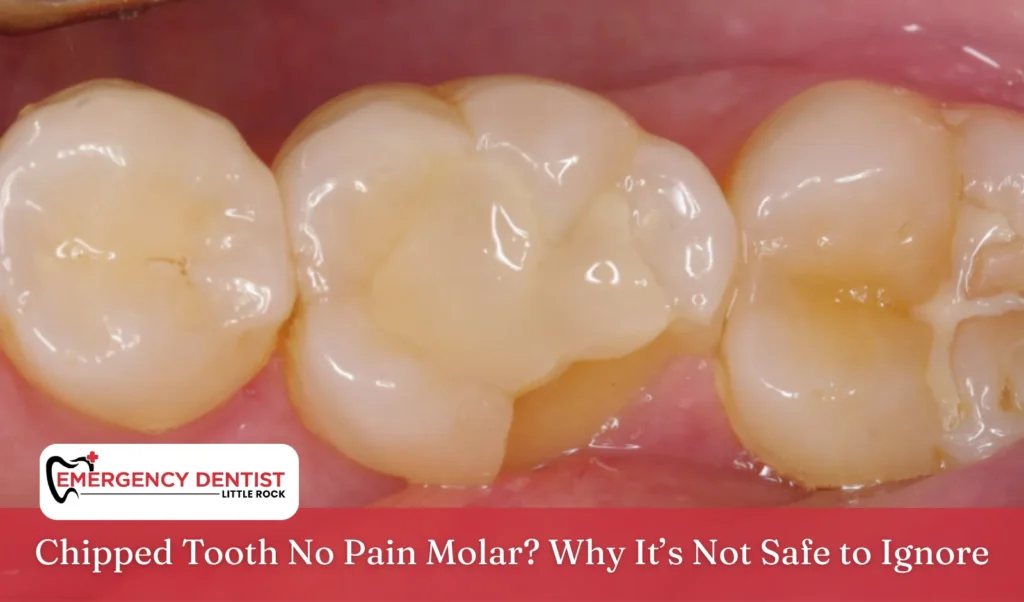
It’s easy to overlook a chipped tooth, especially when there’s no pain, swelling, or bleeding. Many people experience a chipped tooth with no pain molar and assume it isn’t a serious issue. However, even a small chip or crack can harm your oral health over time. Without proper treatment, the damage may lead to decay, infection, nerve exposure, or the need for a root canal.
In this blog, we’ll explain why you should never ignore a cracked or chipped molar tooth no pain, what causes it, how it can get worse, and when to visit an Emergency Dentist in Little Rock. We’ll also share prevention tips and treatment options to help protect your smile.
Can a Chipped Molar Tooth Really Cause No Pain?
Yes. It’s very common to have a chipped molar tooth without pain, especially when the damage is limited to the enamel, the hard outer layer of the tooth. Because the nerve is deeper inside, you might not feel anything at first. You may only notice a sharp edge, a small piece missing, or a line that looks like a crack or chip.
However, pain-free does not mean problem-free. Even without pain, the tooth could be weakened or developing cracked teeth issues that can lead to bigger problems later.
Why You Shouldn’t Ignore a Chipped Tooth No Pain Molar
Your molars do most of the chewing work. When they have a chip or crack, the tooth becomes more fragile. Over time, chewing makes the damage worse, possibly turning a small issue into a deep cracked tooth.
Ignoring a chipped molar tooth no pain can lead to:
- Deep cracks that reach the nerve
- Tooth decay and cavities
- Sensitivity to hot, cold, or sweet foods
- Gum irritation or swelling
- Infection or dental abscess
- Need for a root canal or extraction
A small chip or crack may not hurt now, but it may turn into a costly and painful problem later.
What Causes Chipped or Cracked Molars?
You can chip or crack a tooth in many ways, including everyday activities. Below are the most common causes:
- Chewing Hard Foods
Biting ice, candy, bones, or popcorn kernels can easily cause cracked teeth or chipped enamel.
- Teeth Grinding (Bruxism)
Grinding or clenching your teeth, especially during sleep, puts too much pressure on molars, making them more likely to crack.
- Accidents or Falls
Sports injuries, slips, or facial trauma can result in a sudden chip or crack in your molar.
- Old Fillings or Dental Work
Older dental fillings may weaken over time and cause parts of the tooth to break off.
- Age and Wear
As we get older, enamel becomes thinner and more vulnerable to damage.
Decay weakens tooth structure, making cracks or chips more likely.
Even something as simple as chewing your food can cause a chipped molar tooth no pain if the enamel is already weakened.
Risks of Leaving a Chipped Molar Untreated
Ignoring a minor chip or crack can lead to deeper damage. Even when there’s no pain, bacteria may enter through the damaged enamel and affect the inner layers. That can cause infection, gum inflammation, and even permanent nerve damage.
Here are potential consequences:
- Progression to a cracked tooth
- Tooth sensitivity or sharp pain while chewing
- Inflammation of the pulp (nerve tissue)
- Development of a painful abscess
- Higher cost of treatment later
- Possible tooth removal if untreated
A small chip today could turn into a serious dental emergency tomorrow.
How to Protect a Chipped Tooth Until You See a Dentist
If you suspect you have a chipped tooth no pain molar, here are steps to protect it:
- Avoid chewing on the damaged side.
- Stick to soft foods to avoid further cracking.
- Rinse with warm salt water to help reduce bacteria.
- Use dental wax to cover any sharp edges.
- Take over-the-counter pain relief if needed.
- Schedule an appointment with a dentist as soon as possible.
These tips don’t fix the damage, but they help protect your tooth until you can see an Emergency Dentist in Little Rock.
Treatment Options for Chipped or Cracked Teeth
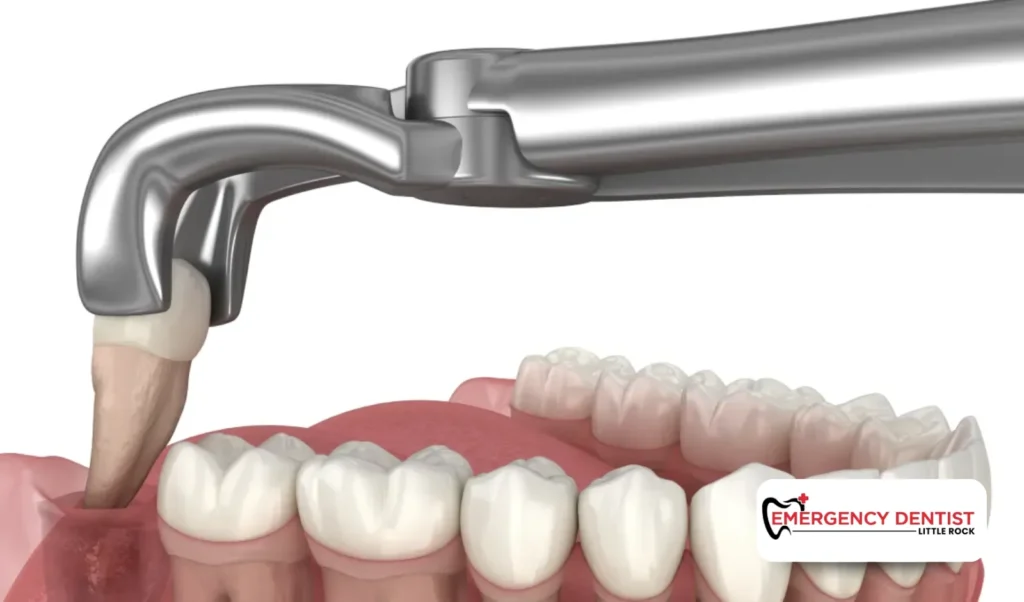
Treatment depends on how big the chip or crack is and whether it affects the nerve. Here are common treatment options:
Best for small chips. A tooth-colored resin is applied to fill the chip or crack, restoring the tooth’s shape and function.
- Dental Crown
Ideal for larger cracks or damaged molars. A crown fully covers the tooth, protecting it from further breakage.
- Root Canal Treatment
If the crack reaches the nerve and causes infection, a root canal is necessary to clean and protect the tooth.
- Veneers
Mostly for front teeth, veneers help improve appearance and protect minor cracks.
In severe cases, the tooth may be too damaged to be saved and must be removed.
Your dentist will examine your molar and recommend the most suitable treatment.
When to See an Emergency Dentist in Little Rock
Don’t wait for pain before visiting a dentist. A chipped molar tooth no pain can still be a warning sign. You should see a dentist quickly if:
- The chipped area has a sharp or rough edge.
- You notice sensitivity to hot, cold, or sweet foods.
- You see a visible crack forming or spreading.
- You feel pressure or pain when chewing.
- The tooth looks darker or discolored.
- There is swelling, bad odor, or bleeding around the tooth.
An Emergency Dentist in Little Rock can assess your tooth, stop damage from getting worse, and help prevent the need for major treatments like a root canal or extraction.
Don’t Ignore a Chipped Molar Tooth No Pain
A chipped tooth no pain molar might not hurt at first, but it can still lead to serious problems if ignored. Even small damage can gradually turn into deeper cracked teeth, allow bacteria to enter the tooth, and eventually cause infection, sensitivity, or even tooth loss. Without treatment, the crack may spread, affecting the inner nerve and possibly requiring a root canal, crown, or extraction.
Getting early treatment is the best way to protect your oral health and prevent painful and expensive dental procedures. Addressing the issue promptly also helps preserve the natural tooth and maintain your bite strength and overall comfort.
If you’ve noticed a chip or crack, even without pain, don’t wait. Contact an Emergency Dentist in Little Rock to have your molar carefully examined and treated before the damage becomes worse.
Frequently Asked Questions
Is a chipped molar tooth without pain still a matter of concern?
Yes. Even without pain, a chipped molar tooth may have hidden damage that could lead to decay, infection, or a root canal later.
Can a chipped tooth naturally repair itself without treatment?
No. A tooth cannot repair a chip or crack on its own. Dental treatment is needed to restore its strength.
What treatment options are available for a chipped molar tooth?
Dentists may recommend bonding, crowns, inlays, veneers, or a root canal depending on the severity of the damage.
Is it necessary to consult a dentist if my chipped molar does not hurt?
Yes. Pain is not always present when damage occurs. Seeing an Emergency Dentist in Little Rock helps prevent complications.
Can a chipped molar tooth with no pain still result in infection?
Yes. Even a pain-free chip may allow bacteria to enter the tooth, which can lead to infection or an abscess.
How can I tell if a chipped molar has become a cracked tooth?
You may notice sensitivity, biting pain, or a visible line on the tooth. Deep cracked teeth often need a crown or root canal.
Can a chipped molar tooth get worse even if I feel no symptoms?
Yes. A chipped molar tooth no pain can worsen over time, especially with chewing pressure. The chip or crack may gradually deepen, eventually affecting the nerve and leading to pain, sensitivity, infection, or the possible need for a root canal or even extraction if left untreated.
What happens if a chipped molar is left untreated for too long?
If a chipped molar tooth no pain is left untreated, the chip or crack may worsen as you continue chewing. This can lead to tooth decay, nerve exposure, infection, or even tooth fracture. In severe cases, you may need a root canal, crown, or extraction to restore your dental health.