How Much Does It Cost to Get a Chipped Tooth Fixed? Guide
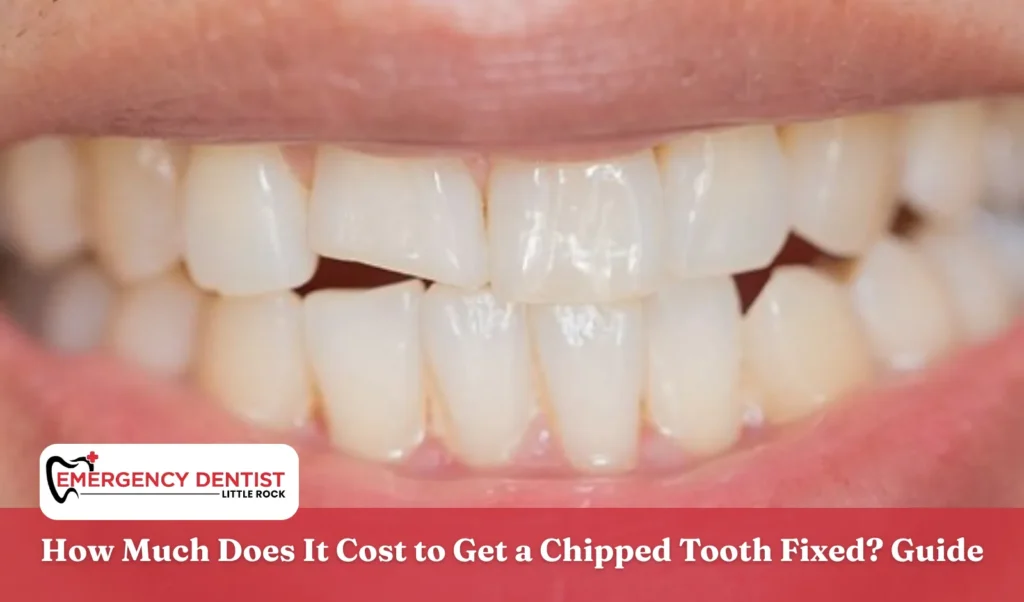
Chipping a tooth can happen out of nowhere. Maybe you bit down on something too hard, had a sports injury, or bumped your tooth on a solid object. When it happens, one of the first questions that comes to mind is: how much does it cost to get a chipped tooth fixed? The truth is that the cost to fix a chipped tooth varies from person to person because no two injuries are exactly the same. Understanding what affects the price can help you make confident decisions and protect your long-term oral health.
A chipped tooth might seem like a small issue at first, but even a minor chip can lead to sensitivity, infection, or turn into a cracked tooth when left untreated. Getting treatment early helps preserve the tooth structure, prevent further damage, and keep the overall cost of repairing a chipped tooth manageable.
This guide breaks down what affects the cost, the dental procedures used to repair a chipped tooth, how dental insurance plans influence the final price, and when to visit an Emergency Dentist in Little Rock.
What Determines the Cost to Fix a Chipped Tooth?
There is no single answer to how much it costs to fix a chipped tooth, because several important factors shape the price. Chip size, tooth location, the materials used, and the type of treatment all play a role in determining the chipped tooth cost to fix.
1. Size of the Chip
Chipped teeth can range from tiny surface flaws to deep fractures. Common types include:
- A small chip
- A minor chip
- A larger break involving deeper layers
- A pulp-exposing fracture
A tiny surface chip may only require a simple repair. But when a break reaches deeper areas of the tooth, treatments like dental crowns, porcelain veneers, or even root canal therapy may be needed. As the severity increases, so does the cost to fix chipped tooth damage, because more advanced procedures and materials are required.
2. Location of the Tooth
The location of the damaged tooth greatly affects the average cost to fix a chipped tooth.
Front Teeth
The cost to fix chipped front tooth damage is often higher because the repair must blend naturally with your smile. Front teeth require:
- Detailed color matching
- Precise shaping
- A natural cosmetic finish
These aesthetic requirements make the process more delicate.
Back Teeth (Molars)
Molars are not as visible but must withstand strong chewing forces. They often require stronger materials, which affects the total cost to fix a chipped tooth in this area.
3. Type of Dental Procedure Needed
The dental procedure recommended by your dentist is one of the biggest factors in determining how much it costs to fix chipped tooth damage. Different procedures are designed for different levels of severity.
Common options include:
- Dental bonding
- Dental veneers
- Porcelain veneers
- Dental crowns
- Root canal therapy
- Dental implants (for severe cases)
Each treatment involves different tools, techniques, and materials, so the cost to fix a chipped tooth varies based on the procedure required.
4. Depth of the Damage
The deeper a chip or crack goes, the more involved the repair becomes.
- Enamel-only chips are the easiest to repair.
- Dentin-level chips require stronger restorations.
- Pulp exposure requires a root canal before the tooth can be restored.
If bacteria reach the nerve, the tooth must be disinfected before any restoration is placed. This extra step affects how much cost to fix chipped tooth damage because it adds time and materials to the treatment.
5. Materials Used for the Repair
The type of material used plays a major role in the durability, appearance, and cost of the repair.
Common materials include:
- Composite resin – used in dental bonding
- Ceramic
- Porcelain – used in veneers and dental crowns
Porcelain offers excellent durability and a natural look, but it usually costs more. Because material quality varies, so does the answer to how much does it cost to fix a chipped tooth.
6. Dental Insurance Coverage
Your dental insurance plan may significantly reduce the final price. Coverage depends on:
- Whether the procedure is medically necessary vs. cosmetic
- Your deductible
- Your annual maximum
- The type of restoration needed
Insurance often helps pay for:
- Dental bonding
- Dental crowns
- Medically necessary repairs
However, cosmetic options such as certain porcelain veneers may not be covered. This is why how much it will cost to fix a chipped tooth often varies from one policyholder to another.
Common Dental Procedures for Repairing a Chipped Tooth
Understanding the available treatment options helps explain why the cost of repairing a chipped tooth can range from simple to advanced.
1. Dental Bonding
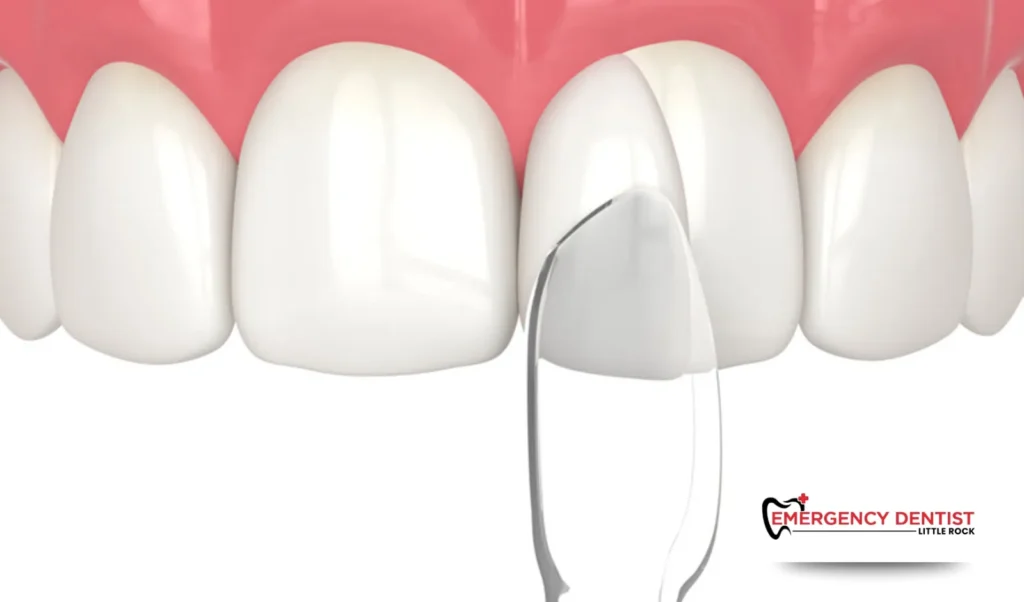
Bonding is one of the most affordable ways to fix a tooth that has a small chip or minor chip. A tooth-colored resin is shaped and smoothed until it blends naturally with the tooth.
Bonding is:
- Quick
- Comfortable
- Minimally invasive
- Natural-looking
It is often the most cost-effective choice when someone wants to know how much it costs to fix a chipped tooth.
2. Dental Veneers & Porcelain Veneers
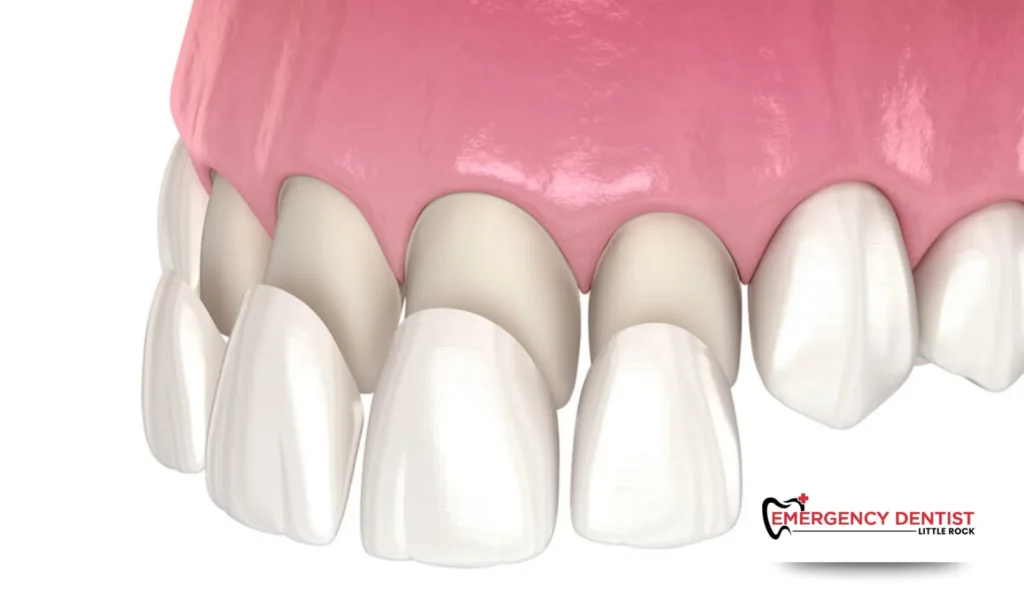
Veneers are recommended when the chip affects the front surface or alters the tooth’s shape.
Veneers improve:
- Color
- Smoothness
- Shape
- Symmetry
Porcelain veneers last longer and look more lifelike than composite versions, but they also cost more. Because they fall under cosmetic dentistry, insurance may not cover them.
3. Dental Crowns
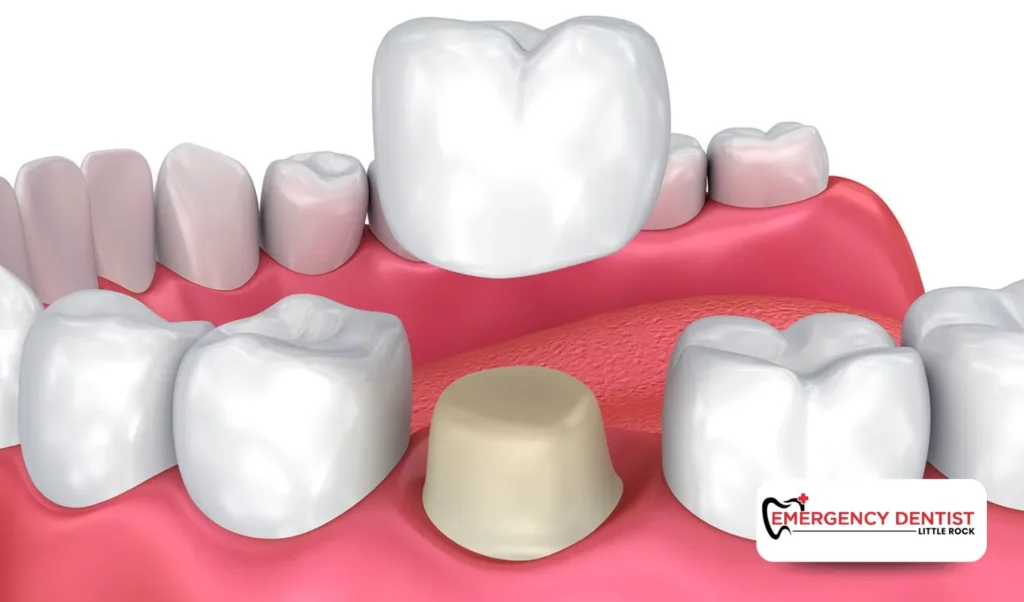
A dental crown is recommended when:
- A large portion of the tooth is missing
- The tooth is too weak for bonding
- There is deep cracking
Crowns restore strength, function, and appearance. Because they handle more serious damage, they have a major impact on the average cost to fix a chipped front tooth.
4. Root Canal Treatment
A root canal may be needed when the pulp is exposed or bacteria enter the deeper layers of the tooth.
This often happens when:
- A cracked tooth reaches the inner layers
- A sports injury causes severe damage
- A chip worsens over time
After the root canal, a dental crown is placed to protect the tooth. This extra step raises the chipped tooth cost to fix, but it prevents infection and tooth loss.
5. Dental Implants
Dental implants are only needed when the tooth cannot be saved.
Situations that may require an implant include:
- The break extends below the gumline
- There is not enough healthy tooth structure
- A crown or veneer cannot be supported
Implants replace the entire tooth and represent the highest cost level in repairing a chipped tooth.
Small or Minor Chips: What to Expect
Smaller chips are usually the easiest to fix. Dental bonding is often recommended because it:
- Restores appearance quickly
- Preserves healthy tooth structure
- Prevents further damage
Even so, the cost to fix a small chip in a tooth depends on the depth of the chip, the location of the tooth, and your insurance plan.
What Happens If You Don’t Fix a Chipped Tooth?
Ignoring a chipped tooth can lead to:
- Deeper cracks
- Sensitivity
- Infection
- Difficulty chewing
- Sharp edges that injure soft tissues
- The need for more complex procedures later
Fixing the tooth early is the best way to prevent further damage and keep treatment affordable.
When to Visit an Emergency Dentist in Little Rock
Seek urgent care if you notice:
- A deep crack
- Persistent pain
- Sharp or sudden sensitivity
- A large broken piece
- Bleeding that doesn’t stop
An Emergency Dentist in Little Rock can assess the damage, relieve discomfort, and prevent complications.
Final Thoughts
Understanding how much it costs to fix a chipped tooth depends on many factors, including chip size, tooth location, material choice, and insurance coverage. Whether the injury is a minor chip or a deeper fracture, early treatment is the best way to protect your smile and keep repair costs manageable.
If you’ve chipped a tooth or are experiencing a dental emergency, contacting an Emergency Dentist in Little Rock ensures fast, reliable care tailored to your needs. Don’t wait until the problem gets worse, restoring your tooth early helps maintain strong, healthy teeth with confidence.