
How Much Is a Tooth Extraction? Costs, Factors & Care Guide

When serious oral health issues such as advanced tooth decay, infection, or damage develop, the only solution may be to have the tooth removed. Because every case is different, many patients want to know, how much is a tooth extraction?
Understanding the cost of tooth extraction, the usual tooth extraction price, and what affects tooth extraction charges can make the experience less confusing. Whether you need a simple tooth extraction or a more complex surgical tooth extraction, knowing the basics of the tooth extraction procedure will help you make informed dental care decisions.
What Is a Tooth Extraction?
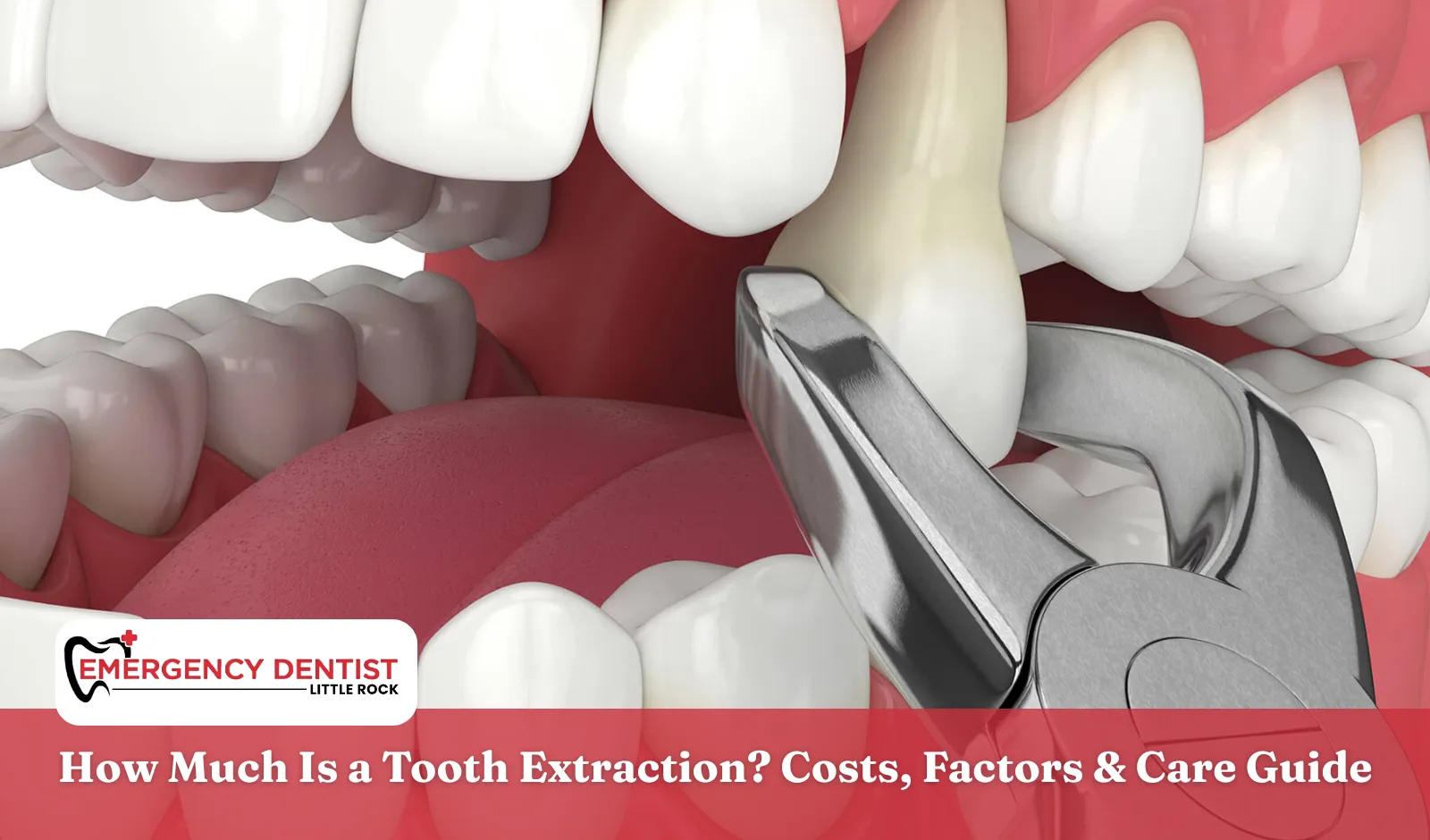
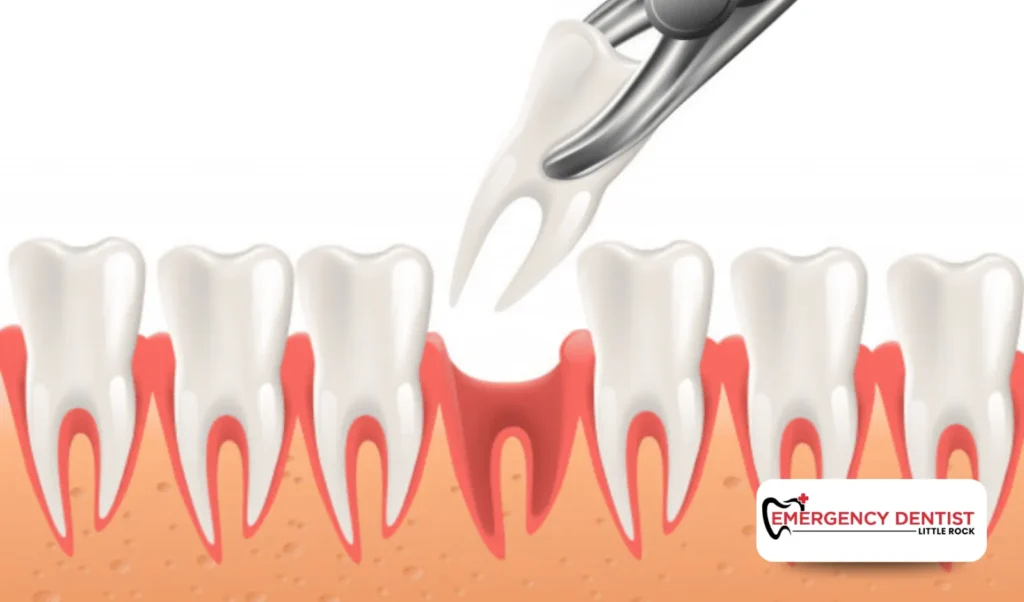
A tooth extraction is a dental procedure in which a dentist or oral surgeon gently removes a tooth from its socket in the jawbone. Extractions are usually recommended when a tooth is too damaged from decay, an injury, or infection to be saved. Sometimes teeth are removed to create space for orthodontic treatment, dentures, or dental implants.
Wisdom teeth removal is also common, especially when the teeth do not fully erupt or cause pain, swelling, or crowding. In any case, the tooth extraction typically depends on your oral health needs and your dentist’s recommendations.
Types of Tooth Extractions
There are two main types of tooth extractions, and average costs vary based on which one you need:
Simple Tooth Extraction
A simple extraction is done when the tooth is fully erupted and easy to access. The dentist loosens and removes the tooth using basic instruments. These procedures are quicker and require fewer steps.
Surgical Tooth Extraction
A surgical extraction is required for impacted, partially erupted, broken, or hard-to-reach teeth. It may involve small incisions or removing a bit of bone. Because it’s more complex, it typically accounts for a larger portion of the cost.
Your final tooth extraction price will depend on the procedure’s difficulty and the dental services involved.
Factors That Influence Tooth Extraction Costs
The cost of tooth extraction can vary depending on several important factors:
- Type of anesthesia: Local anesthesia is common for simple procedures, while sedation or general anesthesia may be used for surgical cases. Different types of anesthesia affect your final cost.
- Condition of the tooth: Severely decayed or fractured teeth may require more advanced techniques.
- Location of the tooth: Molars and impacted teeth are more difficult to remove and may increase the price.
- Experience of the dentist or surgeon: More specialized providers may charge differently.
- Procedure complexity: If multiple teeth are removed or additional steps are required, this affects the overall cost.
These details explain why average costs are not the same for every patient.
Tooth Extraction Costs Without Insurance
Many patients worry about tooth extraction costs without insurance, since prices are often higher when there’s no coverage. Surgical extractions, which are more complex, can increase the overall cost even more. That’s why it’s important to talk with your dentist about your treatment options, review the expected tooth extraction charges, and make sure you receive safe, dependable care that fits your needs.
Anesthesia, Pain, and Recovery
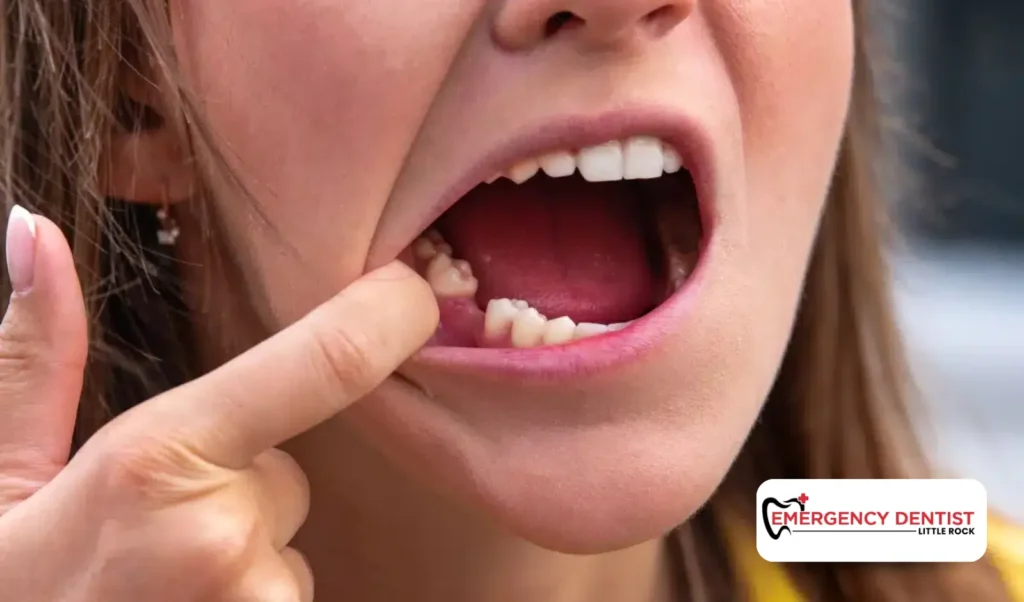
The type of anesthesia required for your procedure plays a major role in your final cost and comfort. A simple tooth extraction typically uses local anesthesia, which numbs the area. Surgical tooth extraction may require sedation or general anesthesia, which increases the price but may be necessary for complex cases.
After your appointment, mild swelling, soreness, or tenderness is normal. Your dentist will give you instructions and medication options to help you stay comfortable as you heal.
Risks and Dry Socket Prevention
One of the most common complications after an extraction is dry socket. This occurs when the protective blood clot at the extraction site becomes dislodged, exposing bone and nerves. Dry socket can be extremely painful and delays healing.
To lower the risk:
- Avoid smoking or vaping
- Do not use straws
- Follow your dentist’s cleaning instructions
- Stick to gentle rinsing
- Practice careful dental care during recovery
Aftercare: Soft Foods and Healing Support
Eating soft foods is important during the first few days after your extraction. Foods such as yogurt, soups, smoothies (without a straw), mashed potatoes, and oatmeal help protect the extraction site and prevent irritation. Avoid hard, crunchy, or sticky foods until healing has progressed.
Keeping the area clean and avoiding alcohol-based mouth rinses will also support proper healing.
Considering Dental Implants After Tooth Removal
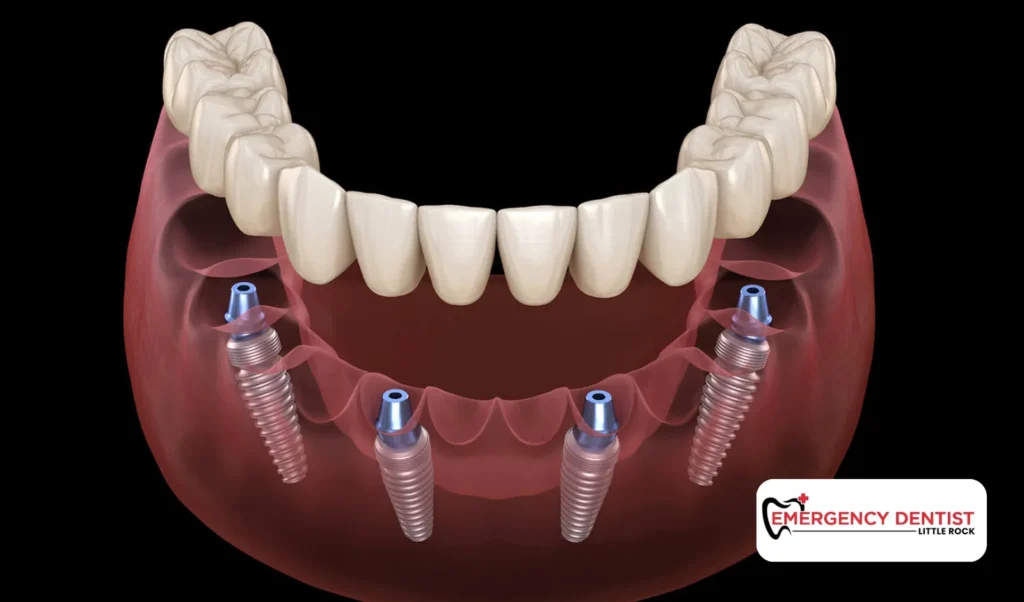
Once a tooth has been removed, you may notice changes in your bite, speech, or appearance. This is why many patients consider dental implants after healing. Implants help stabilize the jawbone, prevent shifting of nearby teeth, and create a natural-looking smile.
A Little Rock dentist can explain the implant process, expected healing time, and long-term oral health benefits.
Alternatives to Tooth Extraction
In some cases, a root canal can save a tooth and prevent removal. However, when damage or infection is too advanced, a tooth extraction procedure becomes the best choice to protect your health.
Your dentist will help you understand your options before deciding.
When to See an Emergency Dentist in Little Rock
If you experience severe pain, swelling, an injury, or complications after an extraction, an Emergency Dentist in Little Rock can provide fast and reliable treatment. Emergency care is especially important if you develop signs of dry socket, unexpected bleeding, or infection.
Prompt attention helps prevent the problem from getting worse.
Conclusion
The answer to how much is a tooth extraction varies because tooth extraction charges depend on the procedure type, the anesthesia used, and whether insurance covers part of the treatment. Patients without insurance may pay more, but many clinics and dental schools offer flexible options.
By understanding the cost of tooth extraction and following proper aftercare, such as eating soft foods, protecting the extraction site, and preventing dry socket, you can support smooth healing. If sudden pain or complications occur, an Emergency Dentist in Little Rock can provide fast, professional care to protect your oral health.