How Long for Tooth Extraction Hole to Close: Healing
Many patients wonder, “How long is the hole closed after tooth extraction?” Whether the procedure is a simple extraction or a surgical extraction, knowing what to expect can make recovery much easier. Because healing speeds vary from person to person, understanding the healing process, what’s normal, and what to watch for helps you take better care of your mouth.
The overall healing time depends on several things: the type of extraction, the size of the tooth, your general health, and how carefully you follow aftercare steps. If your symptoms worsen or healing seems delayed, an Emergency Dentist in Little Rock can provide guidance and treatment.
Why an Extraction Hole Forms
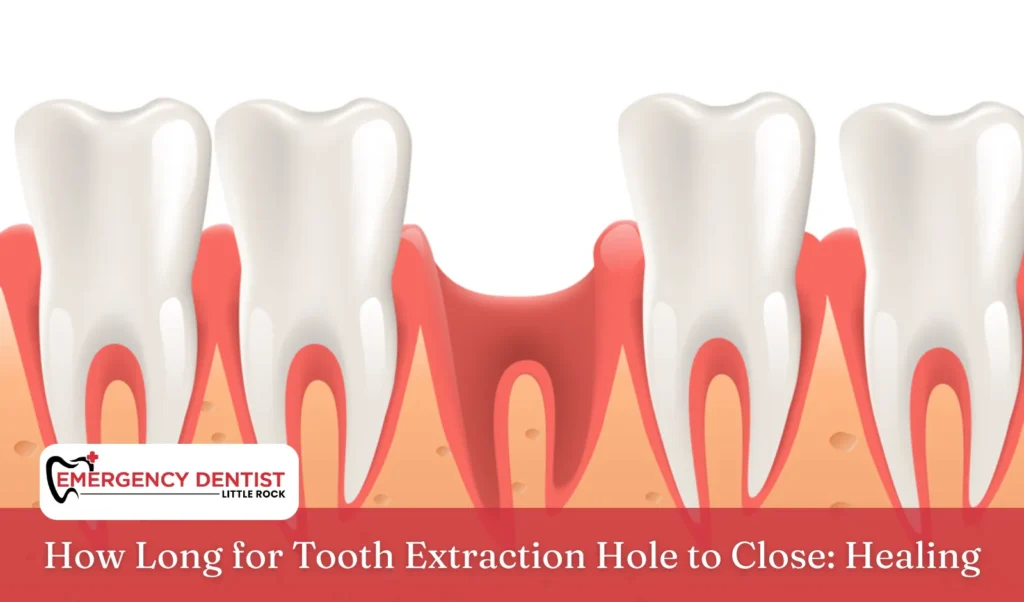
After tooth removal, the space that remains is called the tooth socket or extraction site. This opening may look large at first, especially after molar or wisdom teeth removal, because those teeth have bigger roots. The socket is surrounded by gum tissues and bone, and although it can appear deep, your body immediately begins repairing the area.
New tissue starts to form, and bone slowly rebuilds to fill in the gap. The size of the tooth and the position of the roots play a major role in how long the hole takes to fully close.
The Role of the Blood Clot
Within about 30 minutes after the tooth is removed, a blood clot starts to form inside the socket. This clot works like a natural bandage and protects the bone and nerve endings underneath. It also creates the base needed for new tissue to grow and seal the area.
If the clot becomes loose or dissolves too soon, the socket can become exposed, leading to dry socket. This is a painful condition that slows the healing process and requires attention from a dentist. Keeping the clot undisturbed is one of the most important parts of recovery.
Types of Extraction and Healing Differences
The type of extraction has a major impact on how long your mouth needs to heal:
Simple Extractions
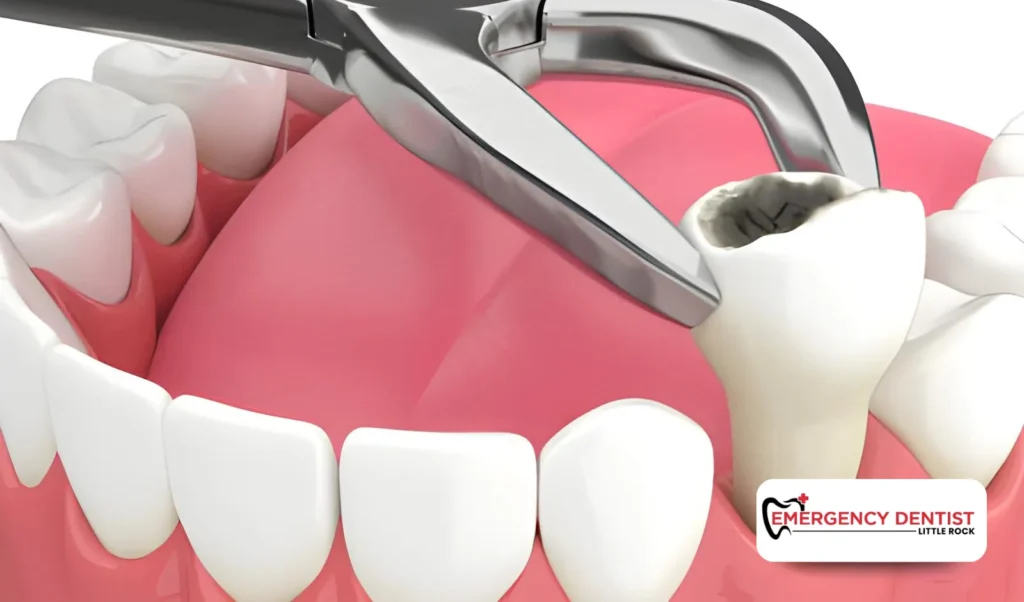
These involve loosening and removing the tooth without cutting the gum. Simple extractions heal faster because there is less trauma to the tissues. The opening usually begins closing within one to two weeks.
Surgical Extractions
These require more steps, such as making small incisions or removing bone. Surgical extraction is common for impacted teeth and wisdom teeth removal. Because more tissue must repair itself, healing takes longer. Gum closure may take several weeks.
Tooth Size Matters
Larger teeth with multiple roots, like molars, leave bigger openings. Smaller teeth, such as front teeth, leave sockets that typically close faster.
Stages of the Healing Process
Healing takes place in phases, and each stage shows different signs of progress:
- First 24 Hours
A blood clot forms, swelling may appear, and slight bleeding is normal. Using an ice pack for short intervals can reduce swelling and discomfort.
- Days 2–7
Soft tissue begins repairing itself. The gum line slowly starts to cover the socket. Mild soreness may still be present.
- Weeks 2–4
Most of the surface tissue closes. However, deeper bone healing continues even after the gums look improved.
- 1–3 Months
Bone fills in the socket and becomes stronger. The hole becomes less noticeable as the area continues to rebuild.
- Completely Healed
Depending on the type of extraction, full healing of both gum tissue and bone may take several months.
Being patient is essential, even if the surface looks healed early on.

How Long for Tooth Extraction Hole to Close?
Most people notice the hole starting to shrink within the first week. After a simple extraction, gum tissues usually seal the area within two to three weeks, though deeper layers take longer to repair.
A surgical extraction, especially one involving wisdom teeth, generally requires more healing time. The gum may take six weeks or longer to fully close. The socket is considered completely healed only when both the gum and the bone underneath have repaired, which can take up to three months.
Following good aftercare can shorten the healing time and lower the risk of dry socket or infection.
How to Care for the Extraction Site
Proper aftercare protects the blood clot and keeps the extraction site healthy:
- Choose Soft Food
Eat soft food such as yogurt, soup, smoothies, and mashed potatoes. These foods reduce irritation and prevent food particles from collecting in the socket.
- Stick to Room Temperature Meals
Extremely hot or cold food can disturb the healing tissues and affect the blood clot.
- Use an Ice Pack
Apply an ice pack for 10-minute intervals during the first day to reduce swelling.
- Practice Gentle Oral Hygiene
After the first 24 hours, rinse with warm salt water to keep the mouth clean. Brush gently, avoiding direct contact with the extraction site.
- Rest and Avoid Strain
Heavy activity raises blood pressure and may cause bleeding or disturb the clot. Give your body time to recover.
These steps help protect the area so the hole can close more quickly and comfortably.
Normal Healing vs. Warning Signs
Most people experience steady improvements, such as reduced swelling, decreasing discomfort, and gradual closure of the hole. However, certain symptoms may signal a problem:
- Increasing pain several days after extraction
- A persistent bad taste or foul odor
- An empty-looking socket where the clot should be
- Redness or swelling that does not improve
- Difficulty opening your mouth
These may indicate dry socket or an infection. Contact an Emergency Dentist in Little Rock if you notice any of these warning signs.
Factors That Affect Healing Time
Your recovery may take longer depending on:
- Type of extraction (surgical vs. simple)
- Size of the tooth
- Smoking or alcohol use
- Poor oral hygiene
- Not eating soft, room-temperature foods
- Disturbing the blood clot
Following aftercare instructions closely helps ensure safe and efficient healing.
Conclusion
Healing after a tooth extraction takes time, patience, and careful aftercare. A simple extraction may close within a few weeks, while a surgical extraction or wisdom teeth removal may take much longer. Even once the gums look healed, the bone underneath continues to rebuild.
Protect the blood clot, choose soft food, avoid extreme temperatures, and use an ice pack early on. If recovery is slow or symptoms worsen, contact an Emergency Dentist in Little Rock for help. With proper care and guidance, your mouth can heal safely and return to full function.