Do Tooth Extractions Hurt?
What Patients Should Know
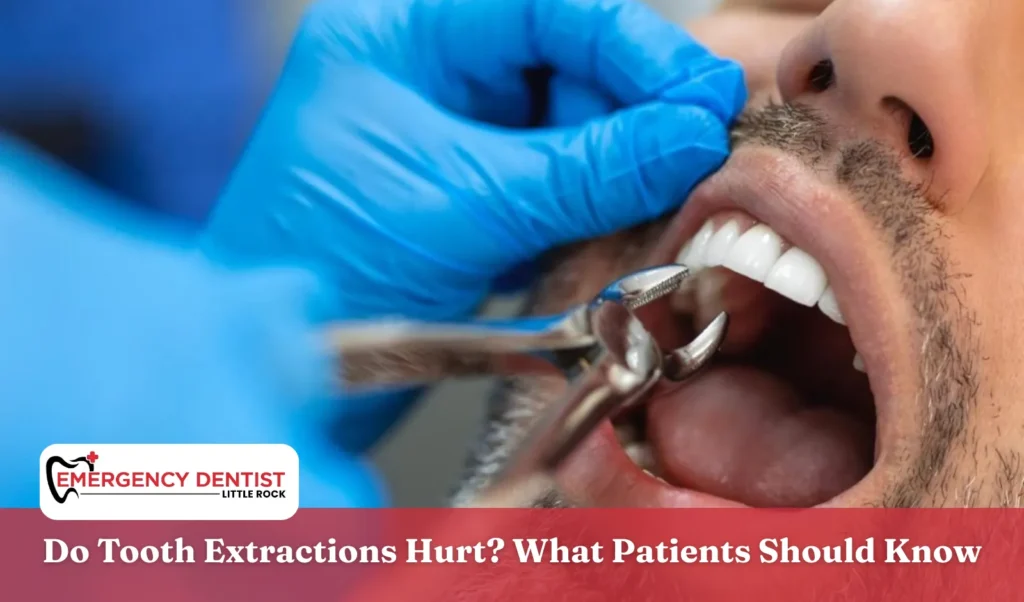
When people learn they need a tooth removed, one of the first questions that comes to mind is, “Does tooth extraction hurt?” It’s a reasonable concern because dental procedures often make patients feel nervous.
Understanding how the process works can make everything feel easier and less overwhelming. Whether you’re preparing for simple extractions or more involved surgical treatments, knowing what to expect helps you feel more confident. And if you ever require urgent dental care, an Emergency Dentist in Little Rock can provide safe, comfortable treatment when you need it most.
What Happens During a Tooth Extraction?
A tooth extraction occurs when a dentist or oral surgeon removes a tooth from its socket in the jawbone. This step is usually recommended when a tooth is too damaged from decay, an accident, or infection to be repaired. Some patients also need teeth removed to prepare for orthodontic treatment.
There are two main types of extraction:
1. Simple Extractions
These procedures involve loosening and lifting out a tooth that is already visible in the mouth.
2. Surgical Extractions
These are used when a tooth is broken at the gum line, does not erupt properly, or is impacted, such as with wisdom teeth. The oral surgeon may make a small incision to access the tooth.
Both forms of treatment are common and designed to protect the surrounding gum tissue and prevent complications.
Does a Tooth Extraction Hurt During Treatment?
Many patients ask, “Does a tooth extraction hurt while it’s being done?” Thanks to modern techniques, the answer is usually no. Before starting, the dentist will numb the area with local anesthesia. This ensures you don’t feel sharp pain during the procedure. You may notice pressure or movement, especially if the dentist needs to gently rock the tooth to loosen it, but this sensation should not be painful.
For people undergoing surgical extractions or those who experience anxiety, sedation may be offered. This helps you stay relaxed and comfortable throughout the appointment. When the dentist is able to numb the area effectively, the extraction hurt is minimal, and many patients are surprised at how quickly the tooth is removed.
Does Tooth Extraction Hurt After the Procedure?
It’s common for people to wonder, “Does tooth extraction hurt after the numbing wears off?” Some discomfort is normal, especially within the first 24 hours. During this period, your healing process begins. A protective blood clot forms in the extraction site, covering the exposed bone and nerves. This clot is extremely important because it allows gum tissue to rebuild and prevents painful complications.
If the clot becomes dislodged, a condition called dry socket can develop. Dry socket is one of the most uncomfortable side effects after a tooth extraction because the bone becomes exposed. You may experience throbbing pain, bad breath, or discomfort that spreads to your ear or jaw. Following aftercare instructions closely helps prevent this issue.
Possible Side Effects After the Tooth Is Removed
While every patient is different, some common side effects may appear:
- Mild bleeding at the extraction site
- Pain and swelling during the first 24–48 hours
- Tenderness in the jaw
- Slight bruising
- Temporary difficulty chewing
These symptoms usually improve steadily. However, it’s important to know the signs of infection, which include fever, pus, worsening swelling, foul taste, or intense pain. Contacting your dentist right away ensures these issues are addressed quickly.
Pain Management After an Extraction
The good news is that discomfort after a tooth extraction can be controlled with proper pain management. Most dentists recommend over-the-counter pain relievers such as ibuprofen, acetaminophen, or a combination of both. Your dentist may prescribe stronger pain medication depending on your needs.
Applying ice packs to your cheek for 10–15 minutes at a time helps reduce swelling and soreness. Resting during the first 24 hours is essential for allowing your body time to recover. After this initial period, gently rinsing your mouth with warm salt water can help keep the area clean without disrupting the blood clot that forms.
Eating and Drinking After Your Tooth Is Removed
Your diet plays a major role in your comfort. After the tooth is removed, dentists recommend eating soft foods such as:
- Yogurt
- Smoothies
- Applesauce
- Soups
- Scrambled eggs
- Mashed potatoes
Avoid anything crunchy, chewy, or spicy for several days. Choosing soft food options keeps the extraction site from being irritated. Drinking plenty of water also supports your healing process, but avoid drinking through a straw because suction can loosen the clot.
Caring for Your Mouth During Recovery
Even though you’re healing, good oral hygiene is still important. For the first couple of days, avoid brushing directly over the extraction site, but do continue to brush your teeth gently everywhere else. Keeping your mouth clean prevents bacteria from entering the healing area.
Continue brushing your teeth twice a day and flossing carefully. Just make sure not to disturb the blood clot. Maintaining these habits supports healthy gum tissue and helps reduce the risk of infection.
When to Contact an Emergency Dentist in Little Rock
Most patients recover without complications, but sometimes additional care is needed. You should reach out to an Emergency Dentist in Little Rock if:
- Pain does not improve after 48 hours
- You notice a bad breath smell that won’t go away
- Pain worsens suddenly
- Bleeding continues beyond the first day
- You experience fever or severe swelling
- You suspect dry socket
Contacting your dentist quickly can prevent more serious issues and help you feel more comfortable.
Conclusion
So, does tooth extraction hurt? With modern dental care, the procedure is usually painless because your dentist will numb the area first. Afterward, some soreness and swelling are normal, but pain relievers, ice packs, soft food, and salt water rinses can make recovery easier. Protecting the blood clot that forms and following your dentist’s instructions are key to healing well.
Whether you’re asking does a tooth extraction hurt, do tooth extractions hurt, or does tooth extraction hurt after the first day, remember that any discomfort is temporary. With proper care and help from an Emergency Dentist in Little Rock if needed, you can recover safely and protect your oral health.