How Long Does a Tooth Extraction Hurt as You Heal?
Having a tooth removed is never anyone’s idea of a pleasant experience, but sometimes it’s the best step to protect your long-term oral health. Whether the removal is due to tooth decay, infection, or damage along the gum line, many patients want to know: How long does it hurt after tooth extraction?
Understanding what discomfort is expected, which symptoms may indicate a problem, and how to follow proper aftercare instructions can make recovery much smoother. With good pain management and guidance from your dentist, you can support the healing process and avoid unnecessary complications.
Why Tooth Extractions Cause Discomfort
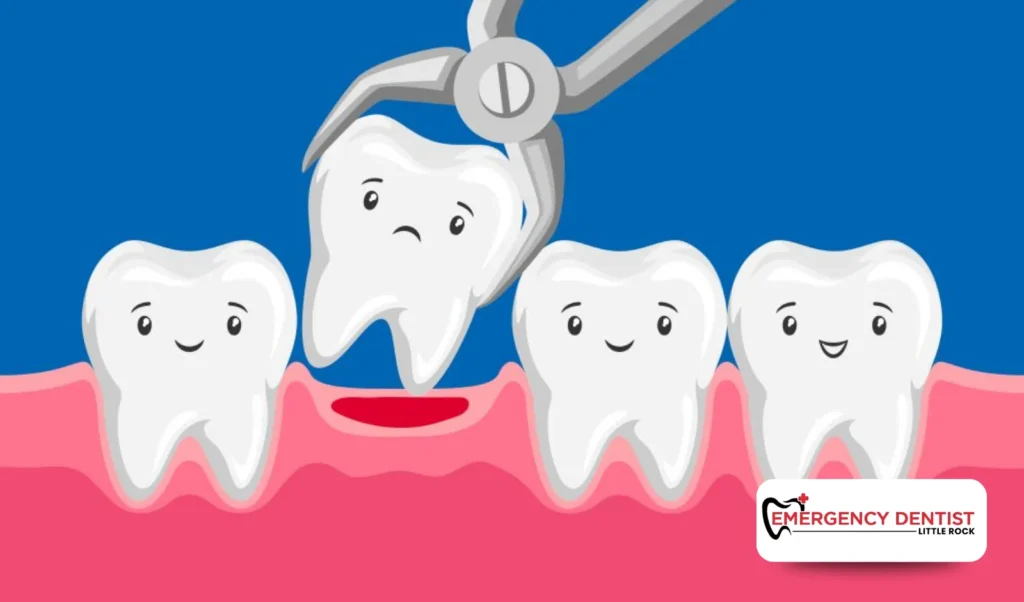
Once a dentist or oral and maxillofacial surgeon removes a tooth, your body begins healing immediately. During simple extractions, the tooth is gently loosened and lifted from the extraction site. In more complex situations such as impacted wisdom teeth, your dentist may need to numb the area and create a small opening in the gum tissue or bone.
Within the first 30 minutes, a blood clot forms in the socket. This clot protects sensitive bone and nerves while gum tissue starts repairing itself. Because the area has been disturbed, mild pain and swelling are natural as the local anesthesia fades. These reactions are simply part of the healing process.
How Long Does a Tooth Extraction Hurt?
The level and duration of discomfort depend on the type of extraction and how your body heals. Most patients experience the most soreness during the first 24–48 hours.
- First 24 hours: Expect mild bleeding, soreness, and pain and swelling as the numbness wears off.
- 48 hours: Swelling may reach its peak, but pain should slowly begin to improve with proper rest and pain relievers.
- Days 3–5: Discomfort typically decreases, and eating soft foods becomes easier.
- One week or more: Many patients feel significantly better, especially if the blood clot remains in place and the extraction site stays clean.
If wisdom teeth were removed, recovery may take longer. Still, pain should steadily improve each day.
How Long Should a Tooth Extraction Hurt While Healing?
In most cases, discomfort fades within about a week. However, if pain persists, worsens, or radiates into the jaw, face, or ear, you may be dealing with complications.
Watch for the following warning signs:
- Sign of Infection
Swelling that increases instead of decreases, fever, pus, persistent bad breath, or an unpleasant taste may indicate bacteria entering the extraction site. Infection can slow the healing process, so contacting your dentist quickly is important.
- Dry Socket
If the blood clot dissolves or becomes dislodged too soon, the bone and nerves beneath are exposed. Dry socket causes sharp, throbbing pain that worsens rather than improves. This condition requires immediate treatment.
- Heavy or Prolonged Bleeding
While some oozing is normal, continuous bleeding beyond the first day is not.
If you notice any of these symptoms, schedule an appointment with an Emergency Dentist in Little Rock right away. Early treatment helps protect your oral health and prevents further complications.

Managing Pain and Swelling After a Tooth Extraction
Effective pain management plays a major role in how comfortable your recovery feels. Here are proven ways to help minimize discomfort:
- Use an ice pack
Apply it to your cheek in 15–20 minute intervals during the first day to reduce pain and swelling around the gum tissue.
- Eat soft foods
Choose yogurt, soup, mashed potatoes, eggs, or smoothies until your mouth becomes more comfortable.
- Rinse your mouth gently
After the first day, use warm salt water to clean the area. Avoid vigorous rinsing that could disturb the blood clot.
- Follow your pain relievers schedule
Take medication exactly as recommended by your dentist to maintain steady pain control.
- Rest and avoid strenuous activity
Your body needs energy to heal.
Protecting the Extraction Site During Recovery
Maintaining oral health while protecting the extraction site is essential.
- Brush your teeth carefully and avoid the socket for the first few days.
- Use a soft-bristled toothbrush, gentle strokes, and avoid irritating the gum line.
- Skip alcohol-based mouthwash during early healing since it can irritate the gum tissue.
- Most importantly, avoiding smoking is critical. Suction from smoking can disrupt the clot and lead to dry socket.
By following these steps, you help ensure the healing process continues without unnecessary delays.
When to Contact an Emergency Dentist in Little Rock
Mild discomfort is normal, but serious or lingering symptoms need attention. Contact an Emergency Dentist in Little Rock if:
- Pain after tooth extraction does not improve or grows worse
- Pain persists longer than a week
- Swelling increases rather than decreases
- There is a foul odor or bad taste
- You suspect dry socket
- Bleeding does not slow after the first day
Reaching out promptly helps support proper healing and reduces your risk of complications.
Understanding the Overall Healing Process
Healing occurs in several stages, from blood clot formation to gum tissue regeneration and gradual bone rebuilding. Each stage is important. Disturbing the clot, ignoring aftercare instructions, or delaying follow-up care can interfere with healing.
Most patients see major improvement within three to five days, although full bone healing may take several weeks. For wisdom teeth or more complex surgeries, healing may take longer.
Conclusion
So, how long does a tooth extraction hurt after removal? Most discomfort peaks during the first 24–48 hours and improves steadily over the following days. By the end of the week, soreness should be mild, especially if the clot stays in place and the extraction site is protected.
Following your dentist’s aftercare instructions, using an ice pack, eating soft foods, avoiding smoking, practicing good oral hygiene, and contacting your dentist when needed will help ensure smooth healing.
If you notice signs of infection, symptoms of dry socket, or pain that does not improve, schedule an appointment with an Emergency Dentist in Little Rock. With professional guidance and proper home care, your mouth can heal fully and comfortably.