Preventing Dry Socket After Tooth Extraction: Care Tips
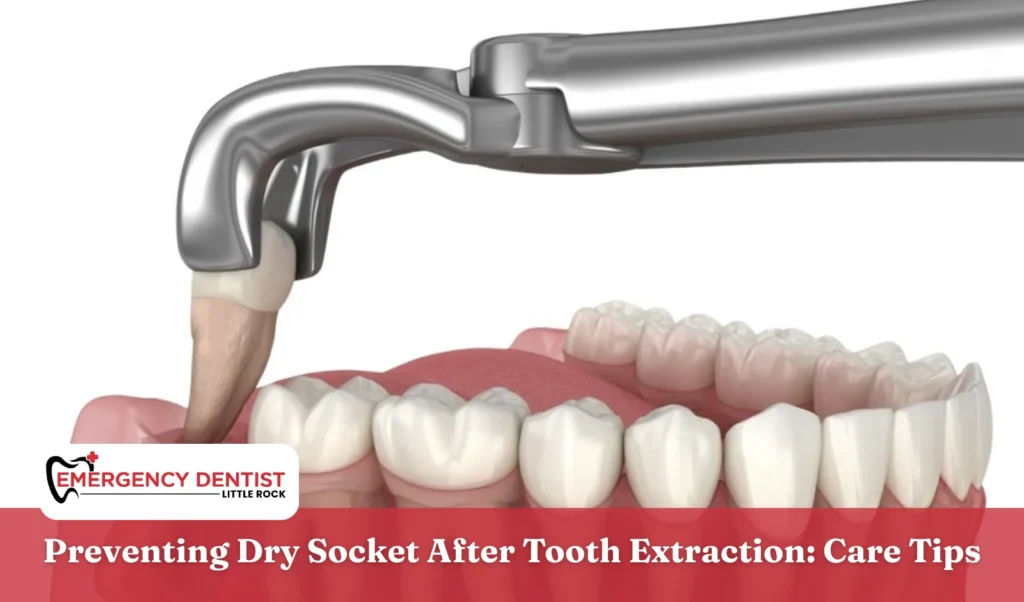
A tooth extraction is a common dental procedure, but the care you take afterward plays a major role in how well you heal. One complication many patients worry about is dry socket, a painful condition that can interrupt the normal healing process. If you are looking for how to prevent dry socket after tooth extraction, this guide explains why it happens and what you can do to lower your risk with proper aftercare.
What Is a Dry Socket?
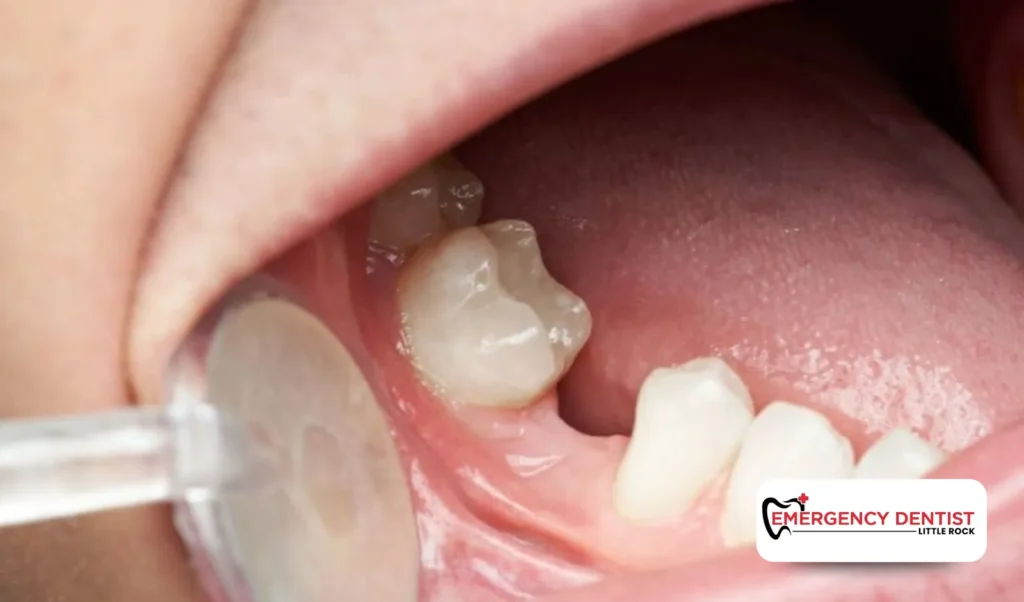
Dry socket, also called alveolar osteitis, occurs when the blood clot that should protect the extraction site does not stay in place. Normally, after a tooth is removed, a blood clot forms in the empty socket. This clot covers the bone and nerves underneath and allows healing to begin.
If the blood clot dissolves too early, never forms, or becomes loose, the bone and nerves are exposed. This can lead to strong pain, bad breath, swelling, and discomfort that may spread through the jaw. Dry socket can happen after any tooth extraction, but it is more common after wisdom teeth removal.
How Dry Socket Develops
When the blood clot fails to protect the extraction site, the area becomes exposed to air, bacteria, and food particles. This exposure irritates the socket and slows the healing process. Many patients notice throbbing pain and a bad taste in the mouth.
Certain actions increase the risk of developing dry socket, especially during the first 24 hours. Smoking, drinking through a straw, or rinsing too forcefully can dislodge the blood clot. Once the clot is gone, the chance of exposing bone increases and healing becomes more painful.
How to Avoid Dry Socket After Tooth Extraction
The good news is that dry socket is often preventable with the right aftercare steps.
- Follow your dentist or oral surgeon’s instructions
Every tooth extraction is different. Your dentist or oral surgeon will give you specific instructions based on your treatment. Following these directions carefully is one of the best ways of preventing dry socket.
- Protect the first 24 hours
The first 24 hours are the most important. Avoid spitting, rinsing your mouth forcefully, or drinking through a straw. These actions can dislodge the blood clot and expose bone underneath.
- Rinse your mouth gently
After the first day, gently rinse your mouth with warm salt water. Do this a few times a day to keep the area clean without disturbing the clot. Gentle rinsing supports healing.
- Don’t smoke or use tobacco products
Smoking greatly increases the risk of dry socket. If you want to avoid dry socket after tooth extraction, don’t smoke for several days. Tobacco products slow healing and can remove the clot.
- Use pain relievers carefully
Pain relievers can help manage discomfort, but only take what your dentist recommends. Using the wrong medication or taking too much may interfere with healing.
- Use cold packs for swelling
Cold packs placed on the outside of your cheek for short periods can reduce swelling and make recovery more comfortable.
- Eat soft foods
Stick to soft foods such as yogurt, mashed potatoes, soup, or smoothies. Avoid crunchy, spicy, or sticky foods that could disturb the extraction site.

Extra Tips for Preventing Dry Socket
Drink plenty of water to stay hydrated, but avoid swishing it in your mouth. If your dentist recommends special rinses, use them carefully. Strong rinses used too early may increase the risk of disturbing the clot.
Continue brushing your teeth, but stay away from the extraction site. Gentle brushing helps prevent infection without harming the healing area.
By following these habits, you lower the chance of exposing bone and help the socket heal properly.
When to See an Emergency Dentist in Little Rock
Even with proper care, dry sockets can still develop. Dry socket symptoms include severe pain, bad breath, a bad taste, or pain that spreads to the ear or jaw. If this happens, an Emergency Dentist in Little Rock can examine the area and treat dry socket promptly.
Early treatment helps control pain and protects the bone and nerves from further irritation.
Conclusion
Recovering after a tooth extraction takes more than time and it takes proper care. By protecting the blood clot, following your dentist or oral surgeon’s advice, and avoiding actions that increase the risk of dry socket, you can heal more comfortably. Simple habits like gentle rinsing, eating soft foods, using pain relievers correctly, and not smoking make a big difference. If symptoms appear, contact an Emergency Dentist in Little Rock right away. With the right care, you can protect your oral health and return to normal faster.