White Stuff in Tooth Extraction Site: A Sign of Healing
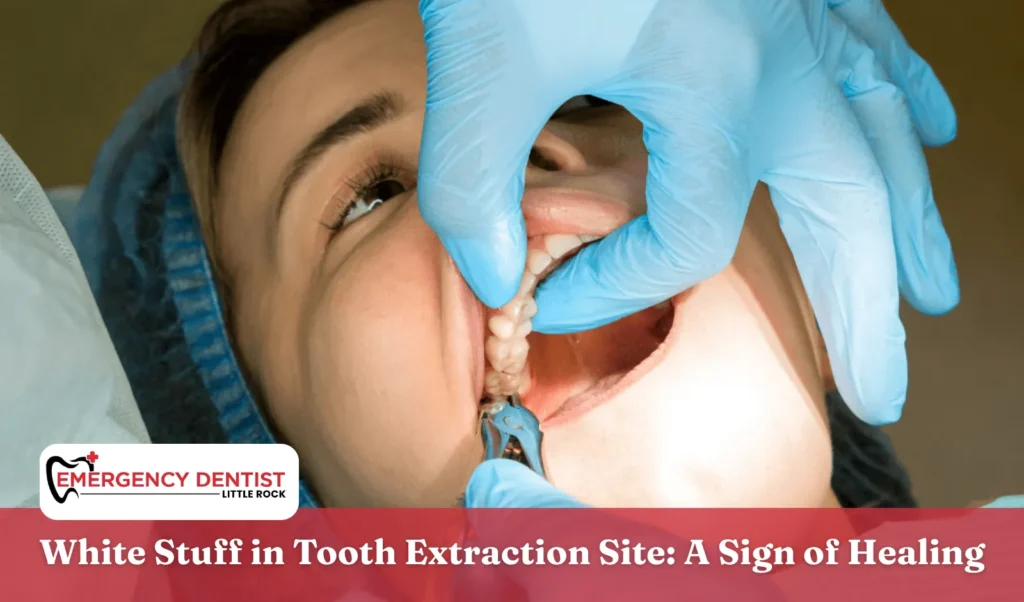
Having a tooth removed can feel overwhelming, especially when you notice unexpected changes during recovery. One common concern many patients have is seeing white stuff in a tooth extraction site. Whether it appears within the first 24 hours or a few days later, it’s natural to wonder if this is normal or a warning sign.
In most cases, white stuff in tooth extraction areas is actually a sign of healthy healing. Understanding what this white or yellow material means, and knowing when to contact an Emergency Dentist in Little Rock can help you recover with confidence.
What Does the White Stuff in a Tooth Extraction Site Mean?
After a tooth is removed, your body immediately begins the tooth extraction healing process. Within the first 24 hours, a blood clot forms inside the tooth extraction site. This clot is essential because it:
- Protects exposed bone and nerves
- Supports nearby blood vessels
- Allows new gum tissue to grow
As healing continues, you may notice white stuff on an extracted tooth or covering the socket. In many cases, this white or yellow layer is a sign of healing, not a problem.
Common reasons this appearance develops include:
- White blood cells moving in to protect the wound
- Early gum tissue forming over the socket
- Healing tissue that seals and shields the area
By about 48 hours, it is normal for the tooth extraction site to appear white or yellow. This usually means the area is healing properly.
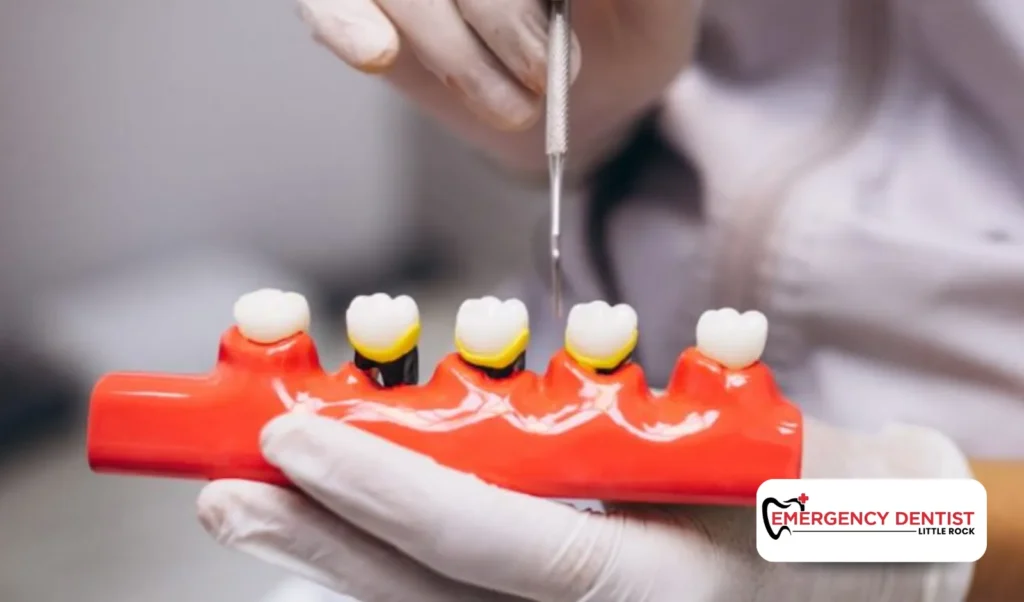
Why White Stuff Appears After Tooth Extraction
Several normal processes can cause tooth extraction white stuff:
Blood Clot Changes
As the clot matures, its color can shift from dark red to lighter shades. This change often means the site heals properly.
White Blood Cells
Your immune system sends white blood cells to prevent infection, which can give the area a pale or white appearance.
Gum Tissue Growth
New gum tissue gradually closes over the socket and often looks white before blending with surrounding gums.
Food Debris
Food particles can sometimes get trapped in the socket and resemble healing tissue. This may cause a bad taste in your mouth. Gently rinse your mouth with warm salt water to keep the area clean.
Bone Visibility
After wisdom teeth are removed, the socket may be deeper and bone may be visible. While not always serious, this should be checked by a dentist to be safe.
Signs of Healthy Healing
Knowing what normal healing looks like can help you feel more confident during recovery.
- Mild soreness that improves daily
- A white or yellow layer that stays in place
- No strong odor or bad taste
- Swelling that slowly decreases
These signs usually mean the extraction site is healing normally.
When to Contact an Emergency Dentist in Little Rock
Healing usually goes smoothly, but contact an Emergency Dentist in Little Rock if you notice:
- Severe pain starting a few days later
- A socket that looks empty (you may have dislodged the blood clot)
- Persistent foul odor or bad taste
- Swelling or redness that worsens
These symptoms may point to infection or dry socket and should be evaluated promptly.
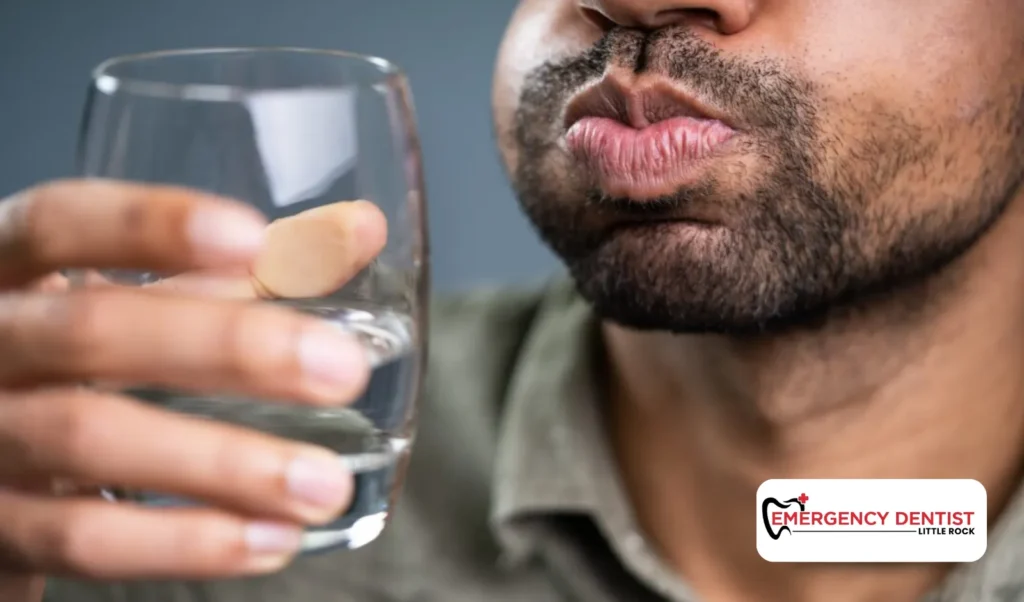
How to Care for the Tooth Extraction Site
Good aftercare helps ensure the area heals properly:
- Rinse gently with warm salt water starting the day after extraction
- Avoid forceful swishing that could dislodge the blood clot
- Brush and floss other teeth normally, but avoid scrubbing the socket
- Eat soft foods like yogurt, soup, applesauce, and mashed potatoes
- Avoid smoking and straws, which can disturb healing
- Be extra careful during the first 48 hours
Seeing white stuff in a tooth extraction site during this time is often a normal part of recovery.
Conclusion
Noticing white stuff in a tooth extraction site can be surprising, but it is usually a sign of healthy healing. This white or yellow layer often includes white blood cells, healing gum tissue, or protective material covering the site as it repairs.
By rinsing gently with warm salt water, keeping food particles away, and following aftercare instructions, you protect the blood vessels, bone, and nerves beneath the surface. Seeing white stuff in a tooth extraction site during this time is often a normal part of recovery. Most patients experience this and heal without complications.
If anything feels unusual or symptoms worsen, don’t hesitate to reach out to your dentist or an Emergency Dentist in Little Rock. With proper care and timely guidance, your recovery can be smooth and comfortable.
Frequently Asked Questions
Is white stuff in a tooth extraction site normal?
Yes. In most cases, white stuff in a tooth extraction site is a normal part of healing. It may include white blood cells, early gum tissue, or healing material protecting the socket.
How long does the white layer last after a tooth extraction?
The white or yellow layer often appears within the first 24–48 hours and can last several days. As healing continues, it usually blends in with the surrounding gum tissue.
Can food debris look like white stuff in the extraction site?
Yes. Food particles can sometimes get trapped in the socket and resemble healing tissue. This may cause a bad taste. Gently rinsing your mouth with warm salt water helps keep the area clean.We offer sedation options to ensure you’re comfortable throughout your procedure. Our emergency dentists are experienced in managing anxious patients with care and understanding.
Does white stuff mean I have an infection or dry socket?
Not always. White material is usually a sign of healing. However, if it is paired with severe pain, swelling, a foul odor, or an empty-looking socket, it may indicate infection or dry socket. In that case, contact your dentist right away.