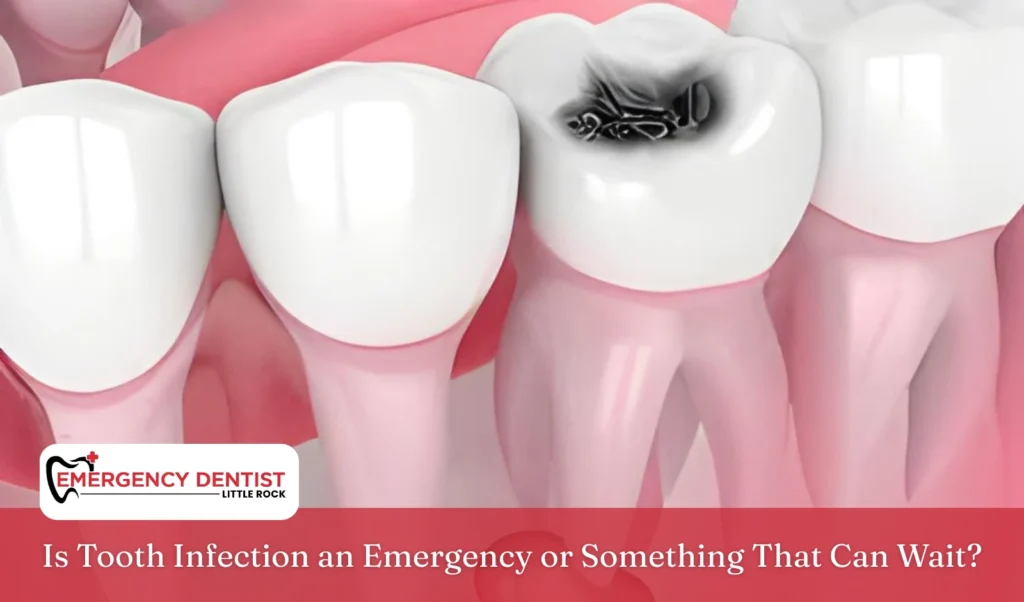
Is Tooth Infection an Emergency or Something That Can Wait?
Quick Answer
Is tooth infection an emergency if there’s no severe pain?
Not always. Mild symptoms still need dental care, but an infected tooth becomes an emergency when swelling, a high fever, or trouble to breathe or swallow appears.
Key Takeaways
- Tooth infections can begin quietly and worsen if left untreated
- Gum disease and tooth decay are common causes of infection
- Certain symptoms require immediate attention
- Infection can spread through blood vessels if ignored
- An emergency dentist can help protect your oral health
If you’re dealing with tooth pain, swelling, or a strange taste in your mouth, it’s completely normal to feel uncertain. Many patients ask the same questions: Is an infected tooth a dental emergency? Or is tooth infection an emergency if it doesn’t hurt much yet?
The answer depends on how the dental problem is progressing. Some infections can be treated quickly with prompt care, while others worsen fast and require urgent treatment. Knowing the difference helps protect your oral health and lowers the risk of serious complications.
This guide explains when a tooth infection becomes an emergency, what causes these infections, and when you should seek immediate help.
What Is a Tooth Infection?
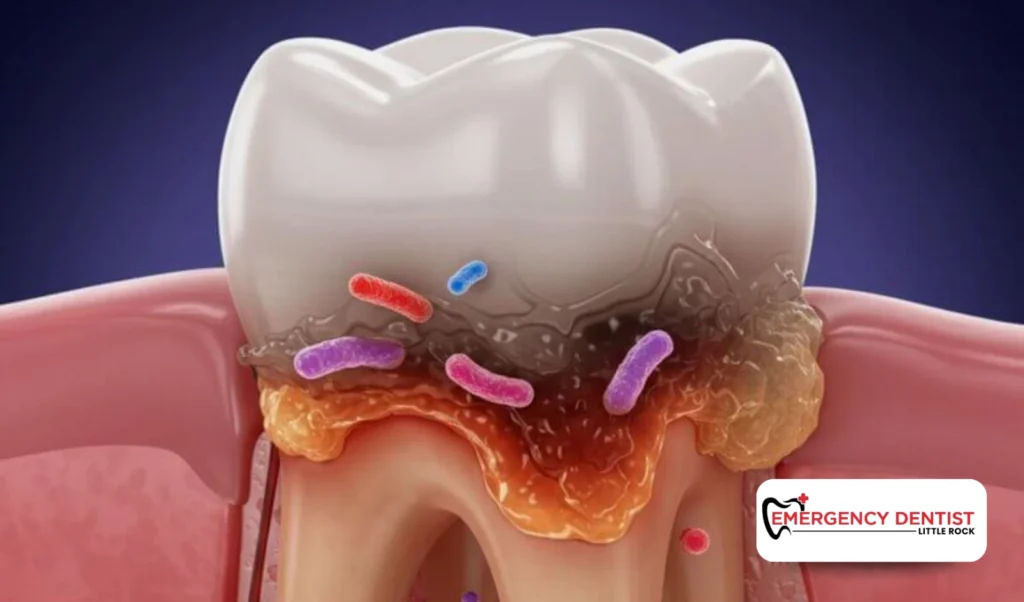
A tooth infection develops when bacterial infections enter the inner layers of a tooth or the surrounding gum tissue. This often happens due to tooth decay, cracks, or gum disease left untreated.
Inside each tooth are nerves and blood vessels that keep it alive. When bacteria reach these areas, inflammation begins. At first, symptoms may feel mild, but without care, the infection can worsen and move beyond the tooth.
Common Dental Issues That Lead to Infection
Several dental issues increase the risk of infection, including:
- Deep cavities that reach the inner tooth
- Gum disease that allows bacteria below the gum line
- Cracked or broken teeth
- Old dental work that no longer seals properly
- An abscessed tooth caused by ongoing irritation
Each of these conditions allows bacteria to reach areas that are normally protected.
Symptoms You Shouldn’t Ignore

Patients often wonder, is an infected tooth an emergency? The answer depends on your symptoms.
Warning signs include:
- Ongoing tooth pain or pain that doesn’t improve
- A bad or metallic taste in your mouth
- Swelling in the gums, face, or jaw
- Pain when chewing
- Swollen lymph nodes near the jaw or neck
- A high fever or feeling generally unwell
These symptoms may point to a tooth abscess or suggest the infection can spread beyond the tooth.
When a Tooth Infection Becomes an Emergency
So, is tooth infection an emergency? In some cases, yes.
A tooth infection requires immediate attention if you experience:
- Rapidly increasing swelling
- Trouble to breathe or swallow
- Severe pressure or pain that doesn’t improve
- Facial swelling combined with fever
Because blood vessels connect the mouth to the rest of the body, infection can spread if not treated quickly. At this stage, seeing an Emergency Dentist in Little Rock is critical to prevent further health risks.
What You Can Do at Home While You Wait
If your symptoms are mild and emergency care isn’t needed yet, these steps may help with temporary pain relief:
- Use counter pain relievers as directed
- Rinse gently with warm water
- Avoid chewing on the affected side
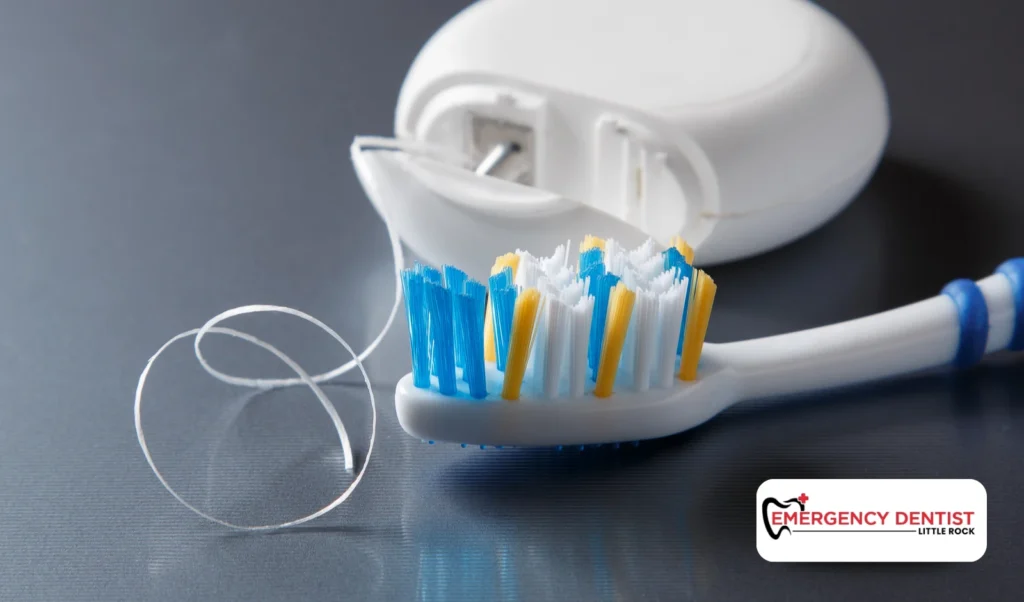
- Maintain gentle brushing and flossing to support oral health
These steps do not treat the infection, but they may help manage discomfort until professional care is available.
Why Early Dental Care Matters
Tooth infections rarely resolve on their own. When left untreated, they can develop into a painful abscessed tooth, damage nearby teeth, or lead to more serious dental issues.
Early care helps stop bacterial infections before they spread. In some cases, treatments such as a root canal may save the tooth and restore comfort. Acting early protects both your smile and your overall health.
Final Thoughts
Tooth infections can feel stressful, especially when symptoms change quickly. Paying attention to warning signs and acting early can make a real difference. If something doesn’t feel right, trusting your instincts and seeking dental guidance is always the smart choice.
Urgent Dental Care in Little Rock You Can Rely On
Don’t Wait When a Tooth Infection Worsens
If you’re experiencing symptoms that may signal a dental emergency, the team at Emergency Dentist in Little Rock is here to help. We provide prompt, compassionate care focused on clarity, comfort, and protecting your long-term oral health.
Call today to speak with an emergency dentist and get the care you need.
Frequently Asked Questions
Can a tooth abscess heal on its own?
A tooth abscess usually requires professional dental care. Without treatment, the infection may worsen or spread.
Is a strange taste in your mouth a sign of infection?
Yes. A persistent or unusual taste can be linked to infection and should be evaluated by a dentist.
When should I contact an emergency dentist?
Seek immediate care if you notice swelling, fever, or difficulty breathing or swallowing.