Wisdom Tooth Pain vs Infection: Early Symptoms to Know
Quick Answer
Is wisdom tooth pain always an infection?
No. Wisdom tooth pain vs infection can feel very similar, but discomfort alone does not always mean there is an infection. A dental visit helps identify what is really causing your symptoms.
Key Takeaways
- Wisdom tooth discomfort may result from pressure, eruption, or limited space
- Emerging wisdom tooth vs infection symptoms can overlap early on
- Impacted vs infected wisdom tooth concerns require professional evaluation
- Areas that trap food debris raise irritation and gum disease risk
- Early dental care supports comfort and long-term oral health
Pain or pressure near the back of your mouth can be worrying. Many patients ask whether what they feel is normal wisdom tooth pain or something more serious. Searches for tooth infection vs wisdom tooth pain are common because early symptoms often feel the same. Understanding these differences can ease anxiety and help you decide when it is time to seek care.
Why Wisdom Teeth Often Cause Discomfort
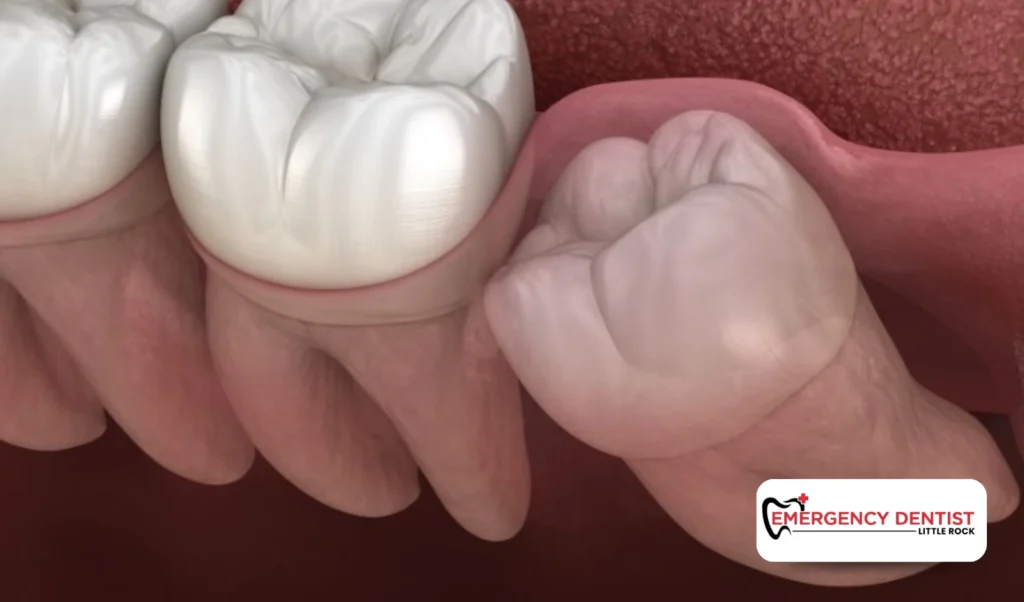
Wisdom teeth are the last teeth to develop, and many mouths do not have enough room for them to grow normally. As a result, pressure and soreness are common even before a clear problem appears.
An emerging wisdom tooth vs infection can be hard to tell apart, especially as the tooth begins to break through the gum. As this happens, pressure builds beneath the surface. You may notice tenderness, tightness, or mild pain swelling when you open your mouth.
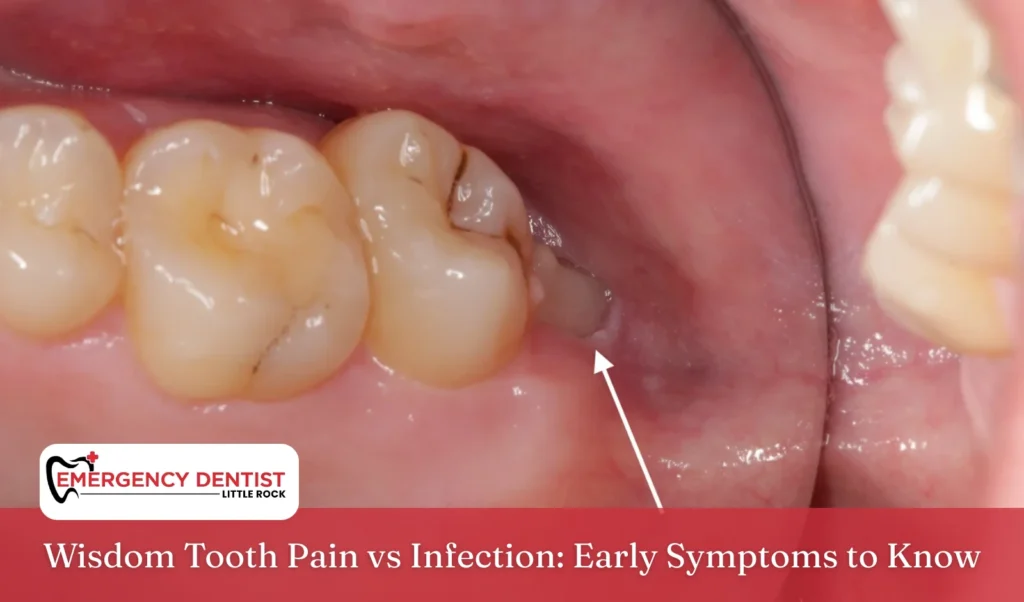
A partially erupted tooth often leaves behind a flap of gum tissue. This flap can trap food and food particles, leading to irritation. Even without infection, trapped debris can cause ongoing discomfort and inflammation.
Impacted wisdom teeth, including an impacted wisdom tooth growing at an angle, may press against nearby teeth. This pressure alone can cause aching or soreness without infection.
Wisdom Tooth Pain vs Infection: How They Differ
The biggest difference between wisdom tooth pain vs infection is how symptoms change over time. Growth-related discomfort often comes and goes. Infection-related symptoms usually last longer or worsen.
Possible warning signs include:
- Persistent bad breath
- A lingering taste in your mouth
- Pain that does not improve
With an impacted vs infected wisdom tooth, infection may begin when food debris remains trapped beneath the gum. Over time, bacteria can irritate surrounding tissue and raise the risk of gum disease.
Understanding this difference helps patients stay alert without assuming the worst too early.
Symptoms That Deserve Attention
While mild soreness can be normal, certain symptoms should not be ignored, including:
- Difficulty opening your mouth
- Difficulty swallowing
- Swollen lymph nodes
- Ongoing or worsening pain swelling
- A strong or unpleasant taste that does not fade
Some patients also notice swelling spreading toward the jaw or neck. Even a fully erupted wisdom tooth can cause problems if it is hard to clean. Because these teeth sit so far back, they can easily trap food and bacteria.
Oral surgeons frequently evaluate these situations, especially when impacted wisdom teeth are crowded or difficult to maintain with daily brushing.
Why Irritation Can Keep Coming Back
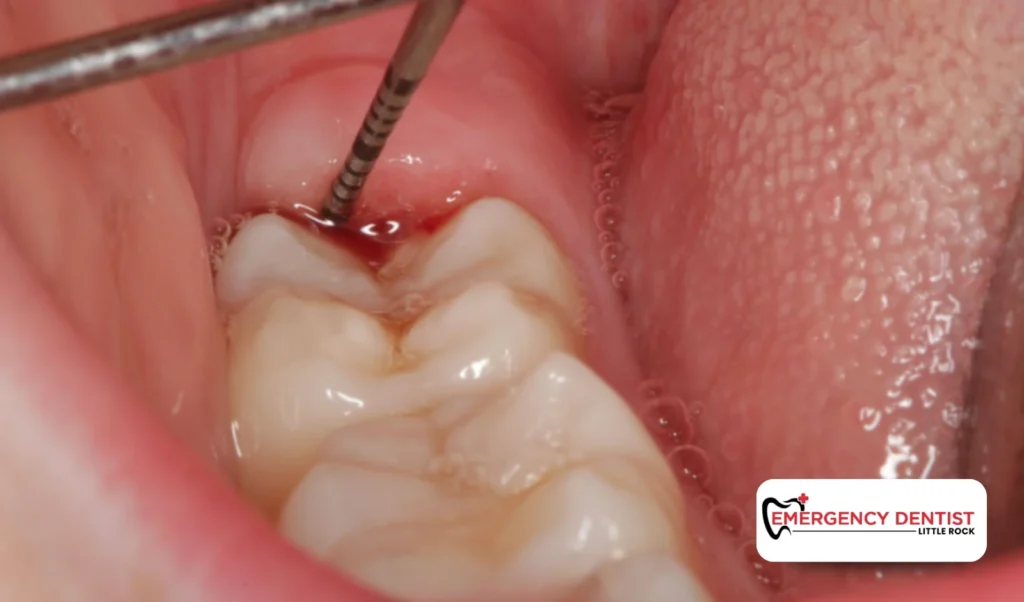
Wisdom teeth are harder to reach during daily oral care. A flap of gum tissue over a partially erupted tooth can hold food debris in place. An impacted wisdom tooth may create tight spaces where bacteria quietly build up.
Over time, this buildup can worsen irritation without obvious warning signs. Without proper cleaning, inflammation may increase and begin affecting overall oral health, even if discomfort seems manageable at first.
Treatment Options You May Hear About
Dentists recommend care based on comfort, symptoms, and risk factors. In some cases, monitoring and improved cleaning habits may be enough. In other situations, dentists may discuss wisdom tooth extraction if irritation keeps returning.
Oral surgeons often assess impacted wisdom teeth to determine whether removal could reduce repeated discomfort or help prevent future infection. These discussions focus on protecting long-term oral health rather than rushing treatment.
What You Can Do at Home
Everyday habits can help reduce irritation and discomfort:
- Rinse gently after meals to clear food debris
- Brush carefully around the back teeth
- Watch for changes such as worsening swelling or bad breath
If symptoms continue or worsen, home care alone may not be enough.
When to Call an Emergency Dentist
Contact an Emergency Dentist in Little Rock if pain does not improve, swelling increases, or it becomes uncomfortable to open your mouth fully. Ongoing difficulty swallowing or swollen lymph nodes should also be evaluated promptly to protect your oral health.
Final Thoughts
Understanding tooth infection vs wisdom tooth pain helps you feel more in control of your dental health. While some discomfort is common as wisdom teeth develop, symptoms that linger or worsen should not be ignored. Clear, patient-friendly information allows you to take the right next step with confidence.
Get Trusted Help for Wisdom Tooth Concerns
If you are unsure whether your symptoms are related to wisdom tooth pain or infection, the team at Emergency Dentist in Little Rock is here to help. We provide clear explanations, compassionate care, and prompt evaluations when reassurance matters most. Schedule your visit today and protect your comfort and your smile.
Frequently Asked Questions
Why do I notice a bad taste near my wisdom tooth?
A lingering taste often happens when food debris becomes trapped under a flap of gum tissue, especially around a partially erupted tooth.
Can a fully erupted wisdom tooth still cause problems?
Yes. Fully erupted wisdom teeth can still trap food particles and irritate the gums if they are difficult to clean.
Should I worry about difficulty opening my mouth?
If the difficulty opening your mouth does not improve, it is best to see a dentist. Ongoing discomfort may signal irritation that needs professional evaluation.