
What to Eat After Tooth Extraction for Quick Healing
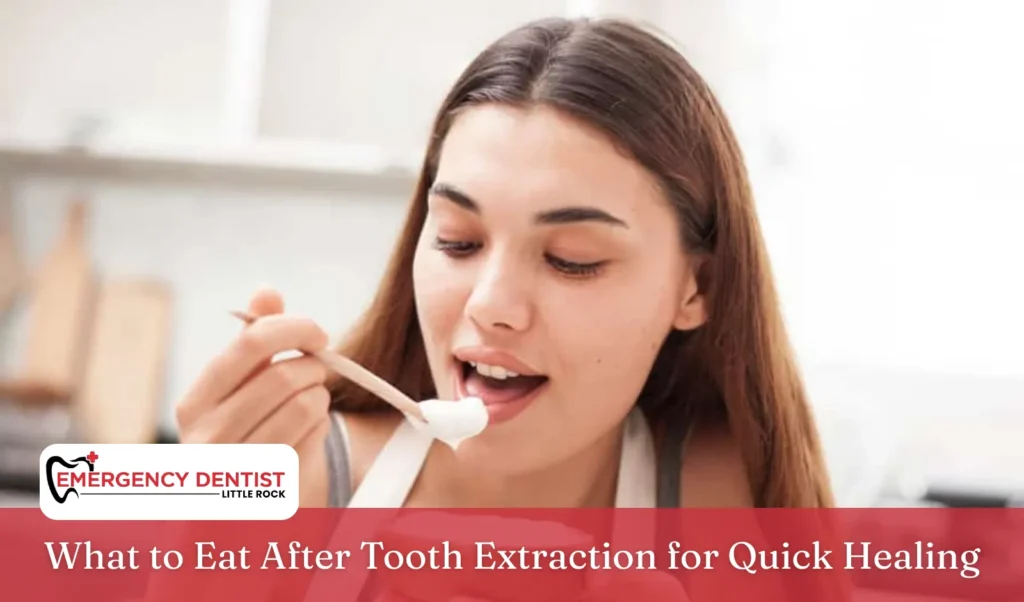
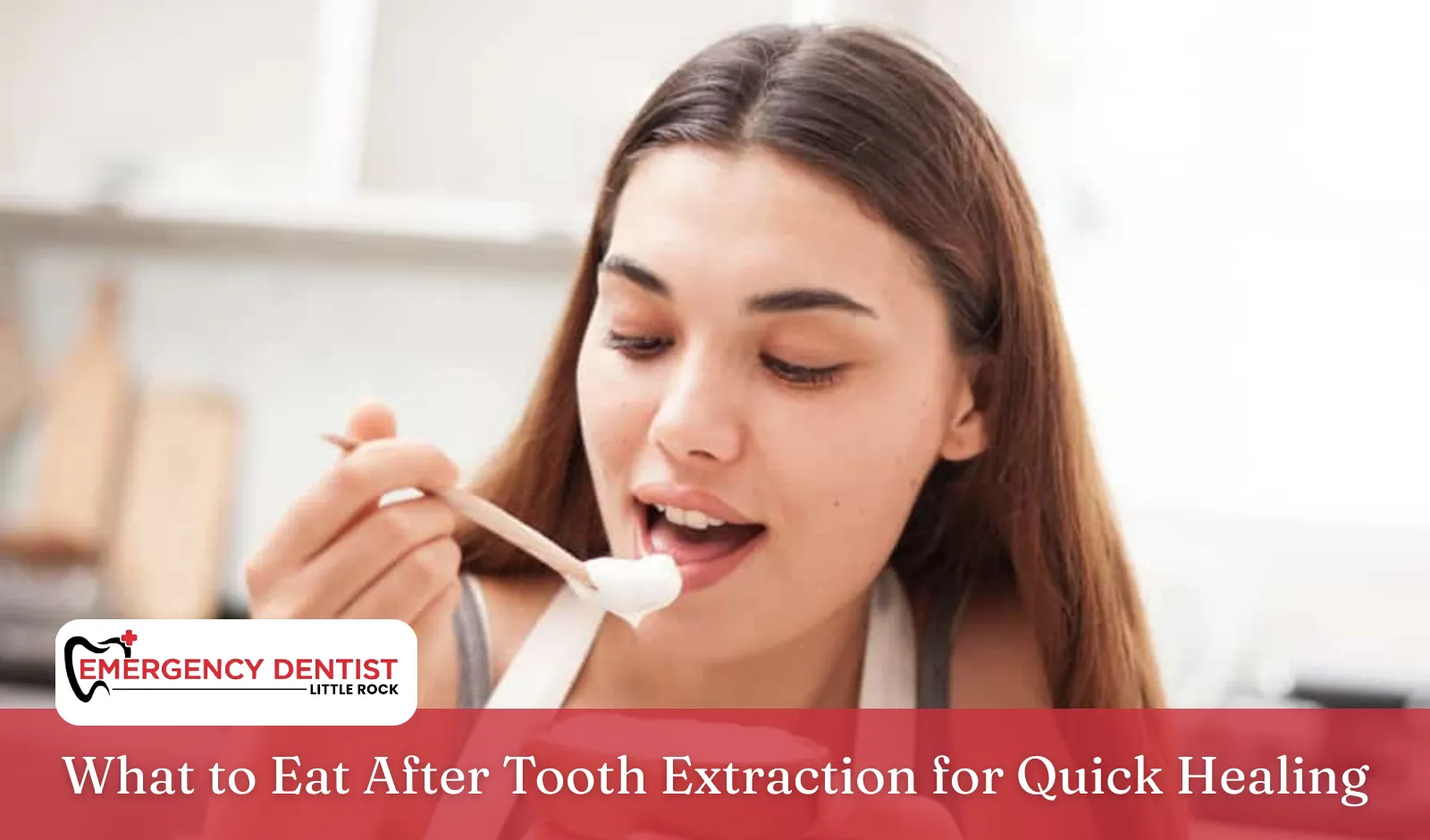
After a tooth extraction, one of the first questions patients often ask is, what to eat after tooth extraction? Eating the right foods can make a huge difference in how comfortable your recovery feels and how quickly your mouth heals. A professional at an Emergency Dentist in Little Rock will remind you that your food choices play a major role in supporting your healing process and preventing complications after the procedure.
Why Food Choices Matter After a Tooth Extraction
After any dental procedure like a tooth extraction, your body forms a protective blood clot over the site. This clot acts as a natural bandage, it shields exposed bone and nerves, prevents infection, and supports the recovery process.
Eating the wrong foods can dislodge the blood clot, causing dry socket, a painful condition that slows healing. That’s why knowing what to eat after extracting tooth and what to avoid is so important. Choosing soft foods to eat after tooth extraction helps your mouth rest and provides nutrients that promote healing and speed up recovery.
A soft food diet rich in vitamins and minerals helps repair tissue, reduce inflammation, and support proper healing so your mouth becomes fully healed faster. It also makes eating easy to eat and easy to chew without irritating your gums or jaw.
Best Foods to Eat After Tooth Extraction

Many patients wonder, what can I eat after tooth extraction? or what can you eat after tooth extraction? The key is to select meals that are smooth, soft, and easy on your mouth while still offering nourishment.
Here are some of the best foods to eat after tooth extraction during recovery:
- Mashed potatoes – Creamy and comforting, they’re easy to eat and gentle on your gums. They also provide energy without irritating the area.
- Scrambled eggs – A great source of protein and nutrients that promote healing, they’re easy to chew and quick to prepare.
- Ice cream – Cool and soothing, it helps reduce swelling and discomfort during the first 24 hours.
- Butternut squash – Soft and packed with vitamins and minerals, it supports the healing process and tissue repair.
- Yogurt and smoothies – These are smooth, nutritious, and easy to swallow, keeping you hydrated while delivering essential nutrients.
- Applesauce and pudding – Perfect for a soft food diet, they’re mild and won’t irritate the extraction site.
All these soft foods to eat after tooth extraction are safe, gentle, and filling. They reduce discomfort, support faster healing, and make eating manageable even when chewing is difficult.
Foods and Habits to Avoid After Extraction

Knowing what to avoid is just as important as knowing what to eat after tooth extraction. Certain foods and habits can interfere with your recovery process, cause irritation, or even dislodge the blood clot.
Here are the top things to avoid:
- Spicy foods – These can burn or irritate the extraction site, causing unnecessary pain.
- Hot foods – Consuming food that’s too hot can soften or dissolve the blood clot before the area heals.
- Acidic foods – Citrus fruits, tomato-based sauces, and similar foods can sting and slow healing.
- Crunchy foods – Hard foods like chips, nuts, or crackers can scrape the area or get stuck in the socket, delaying healing.
- Avoid using a straw – The suction can dislodge the blood clot, increasing the risk of dry socket.
Avoiding these items reduces the risk of irritation and helps the mouth heal properly. Stick with soft, easy-to-chew options that won’t strain your mouth or gums.
Tips for a Smooth Recovery
- Stay hydrated – Drink plenty of water, but avoid using a straw.
- Eat small meals – Frequent, small portions are easier to handle while healing.
- Rest and relax – Give your body time to recover after the dental procedure.
- Avoid alcohol and smoking – Both can interfere with clot formation and delay recovery.
- Follow your dentist’s advice – Always follow post-care instructions to ensure proper healing.
Following these tips reduces the risk of complications and helps your mouth recover smoothly.
Recovery Process and Professional Care
The recovery process after teeth extractions depends on how many teeth were removed, the complexity of the oral surgery, and your overall health. Carefully following your oral surgeon’s directions helps protect the blood clot and promote healing.
If you experience ongoing pain, swelling, or bleeding that doesn’t stop, reach out to an Emergency Dentist in Little Rock immediately. Quick and professional care reduces the risk of infection and ensures that your mouth heals properly.
Conclusion
If you’re wondering what to eat after tooth extraction or what are the things to eat after tooth extraction, remember that soft foods are your best friend. Start with mashed potatoes, scrambled eggs, butternut squash, and ice cream in the first few days, and slowly introduce easy-to-chew foods as you heal.
Avoid spicy foods, hot foods, acidic foods, and crunchy foods, as these can irritate the extraction site or dislodge the blood clot. Following a soft food diet helps promote healing, protect the clot, and reduce the risk of complications.
For any pain or concerns during your recovery process, contact an Emergency Dentist in Little Rock for expert care and peace of mind.