

After Tooth Extraction White Gums: Essential Healing Guide

Noticing white gums after tooth extraction can be alarming, especially when you’re unsure if it’s a normal part of healing or a sign of trouble. Whether you’ve recently had a tooth pulled or your wisdom teeth removed, it’s common to see pale or white tissue forming in the socket. Fortunately, in most cases, these changes are a normal and healthy part of your body’s recovery process. However, understanding the difference between normal tooth extraction healing and warning signs such as infection or dry socket can help you protect your oral health and ensure a smooth recovery.
Why White Gums Appear After Tooth Extraction
After a tooth is removed, your body immediately begins to repair the affected area. Within minutes, a blood clot forms inside the tooth extraction site. This clot acts like a protective layer, covering the bone and nerves beneath the surface while supporting new tissue growth.
As healing continues, you might notice white stuff or a pale layer developing in the socket. This is usually granulation tissue, a soft mixture of new gum tissue, collagen, white blood cells, and small blood vessels that work together to rebuild the area. The formation of granulation tissue is a vital part of the healing process, showing that your body is repairing the socket as expected.
Understanding the Normal Healing Process

When you see white gums after tooth extraction, it often means the area is healing properly. Beneath the surface, several biological processes are taking place:
- Blood vessels deliver oxygen and nutrients that strengthen the healing tissue.
- White blood cells help prevent infection by fighting bacteria.
- Gum tissue gradually regenerates, filling in the empty space left by the extracted tooth.
During the first week, it’s common for the extraction area to look white or slightly pale. This happens as granulation tissue forms over the wound. If you’ve had wisdom teeth removed, this white appearance can be even more noticeable due to the larger sockets. Typically, the color and texture of your gums will improve over the next one to two weeks as the area heals fully
When White Gums Could Be a Sign of a Problem
While white gums after tooth extraction are usually harmless, there are times when they may point to complications. Being aware of these signs can help prevent more serious dental issues.
1. Infection or Dry Socket
If you experience persistent pain, swelling, or a foul odor, it may indicate infection or dry socket. This happens when the protective clot is lost, exposing the bone and nerves, and delaying recovery. A dry socket can be extremely painful and requires prompt dental care.
2. Food Debris
Sometimes, bits of food debris can become lodged in the tooth extraction site. These particles may look like white stuff, but they don’t belong there. Gently rinse your mouth with warm salt water to help remove them without disturbing the clot.
3. Dislodged Blood Clot
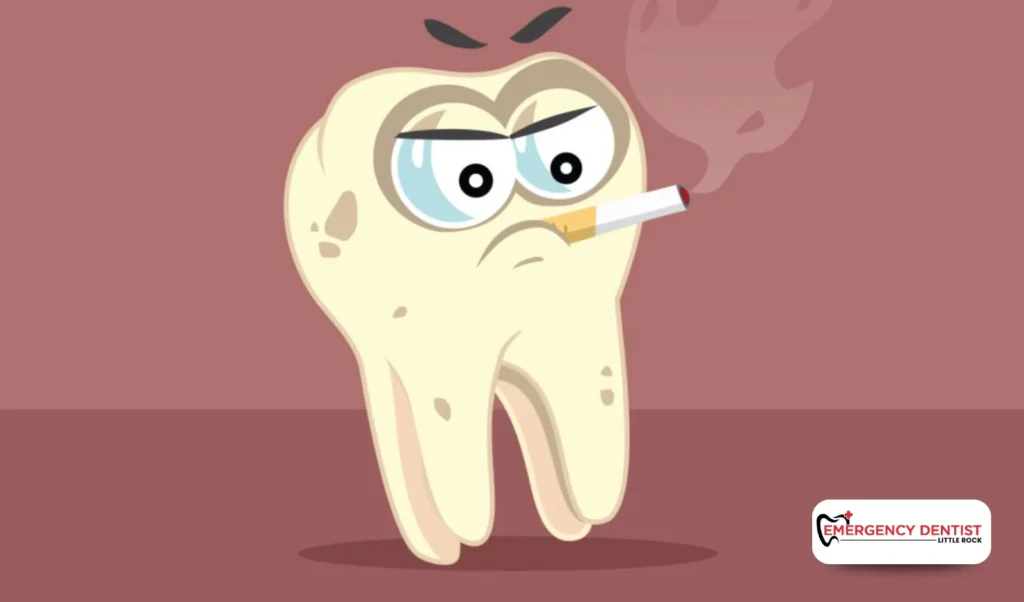
If you accidentally dislodge the blood clot, it leaves the socket unprotected and may cause you to develop dry sockets. Activities like smoking, drinking through a straw, or vigorous spitting can increase this risk. Protecting the clot is key to healing properly.
At-Home Care for a Smooth Recovery
Proper care after your tooth extraction plays a major role in how quickly and comfortably your mouth heals. Here are some essential at-home care tips:
1. Rinse Your Mouth Carefully
After the first 24 hours, gently rinse your mouth with warm salt water several times a day. This keeps the tooth extraction site clean and helps prevent infection, but avoid vigorous rinsing that might dislodge the blood clot.
2. Eat Soft Foods
Stick to soft foods such as yogurt, oatmeal, smoothies, or mashed potatoes for the first few days. These are gentle on your healing gums and help you maintain nutrition without irritating the wound.
3. Avoid Smoking and Straws
Suction from smoking or drinking through a straw can easily dislodge the blood clot, increasing your risk of dry socket.
4. Practice Gentle Brushing
Continue brushing your teeth, but be careful around the tooth extraction site. Keeping your mouth clean prevents infection or dry socket and encourages healthy gum tissue formation.
5. Rest and Stay Hydrated
Your body heals best when it’s rested. Drink plenty of water and avoid alcohol or caffeinated drinks, which can slow recovery.
By following these care tips, your gum tissue will continue to rebuild naturally, and the white gums you see will gradually fade as healing progresses.
When to Contact a Professional
While most people heal without any complications, some symptoms require professional attention. Contact an Emergency Dentist in Little Rock if you notice:
- Persistent or worsening pain after several days
- Bleeding that doesn’t stop
- A bad taste or odor in your mouth
- Visible bone in the socket
These signs could mean you’ve developed infection or dry socket, which should be treated promptly to prevent further issues.
Conclusion
Seeing white gums after tooth extraction is often just a sign that your body is doing its job. The white layer you notice comes from granulation tissue and white blood cells rebuilding and protecting the area. However, if the blood clot becomes loose or contaminated with food debris, you may develop dry socket, which can be painful and delay recovery.
To stay on the safe side, follow your dentist’s care instructions, rinse your mouth gently with warm salt water, eat soft foods, and avoid habits that could dislodge the blood clot. With the right care, your gums should heal properly, and the tooth extraction site will return to normal soon.
If you notice anything unusual, such as swelling, throbbing pain, or signs of infection or dry socket, don’t wait. Contact an Emergency Dentist in Little Rock for quick and effective treatment to protect your smile and oral health.