

Can a Dentist Fix a Cracked Tooth? Treatment Explained
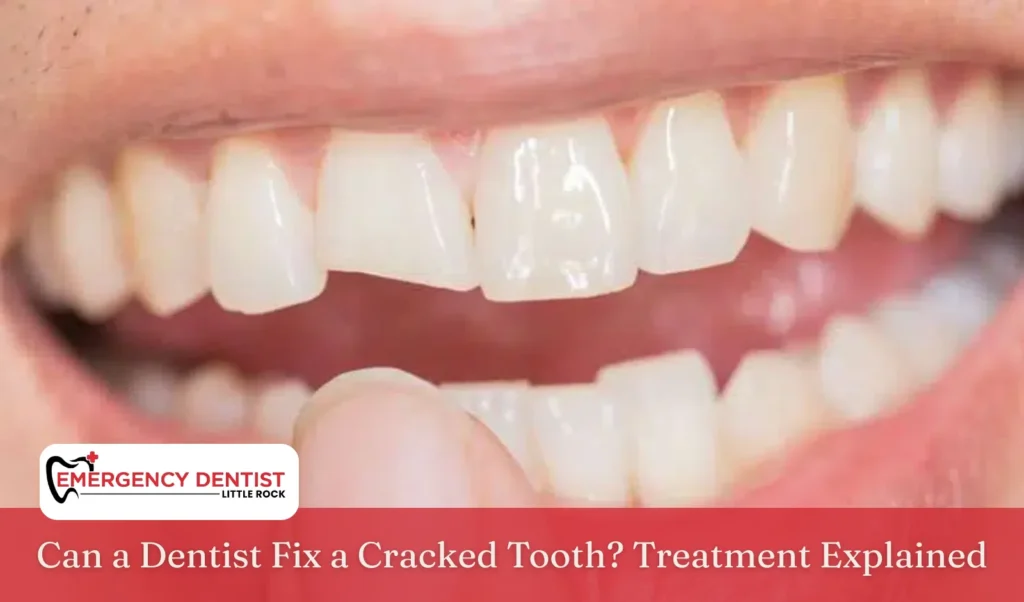
A cracked or chipped tooth can be painful and worrying, especially if the damage affects your bite or appearance. Whether it’s a small chip or a deeper crack, getting prompt care from a cracked tooth dentist is essential to protect your oral health and prevent infection. If you’re wondering, “Can a dentist fix a cracked tooth?” This guide breaks down the most common treatment options, what to expect during your visit, and how to maintain your natural tooth for the long term.
What Causes a Cracked Tooth?
Your tooth enamel is the hardest substance in your body, but it’s not indestructible. Cracks can form for many reasons, biting hard foods, grinding your teeth, dental injuries, or natural wear over time. Even tiny craze lines, shallow surface cracks, can deepen if ignored.
If you feel pain when chewing, sensitivity to hot or cold, or notice a visible line on your tooth, it’s time to see a dentist for a cracked tooth evaluation. An untreated damaged tooth can let bacteria reach the root of the tooth, causing infection and threatening surrounding tissue.
Types of Cracked Teeth
Cracks can vary in size and depth. Here are the most common types of cracked teeth:
- Craze lines: Small, shallow cracks in the enamel that usually don’t cause pain.
- Fractured cusp: A piece of the chewing surface breaks off, often near a filling.
- Split tooth: A deep crack that divides the tooth into separate parts.
- Vertical root fracture: A crack that starts at the root of the tooth and extends upward.
Understanding the type of crack helps your cracked tooth dentist choose the right treatment option.
How Does a Dentist Fix a Cracked Tooth?
When you visit a dentist for a cracked tooth, they’ll start with an exam and X-rays to see how deep the crack goes. Based on what they find, your dentist will choose the best treatment to repair the tooth and protect your oral health.
- Dental Bonding
For small cracks or chips, dental bonding is a simple and affordable fix. The dentist applies a tooth-colored resin, shapes it to match your enamel, and hardens it with a special light.
This quick, painless treatment restores the tooth’s look and strength while keeping the crack from spreading. It works best for small chips or cracks that only affect the outer enamel.
- Dental Crowns
If the crack goes deeper or weakens the tooth, a dental crown may be needed. A crown is a strong cap that covers the damaged tooth, restoring its shape and strength.
Crowns are ideal for larger cracks, fractured cusps, or teeth that have had root canal therapy. Sometimes a temporary crown is used while the permanent one is made. This long-lasting option protects your natural tooth and keeps your bite stable.
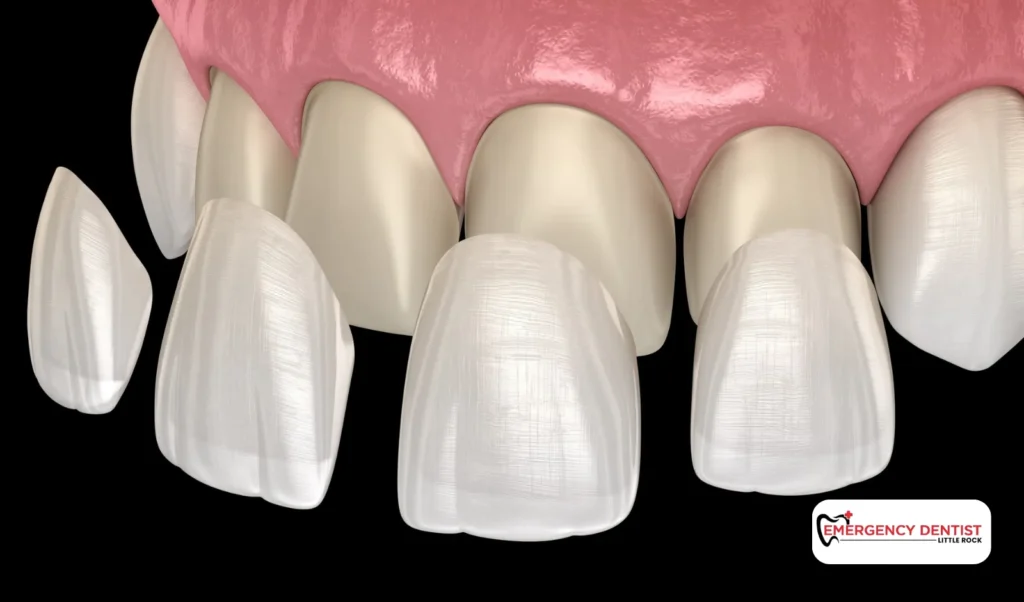
- Dental Veneers
For front teeth with cracks or chips, dental veneers are both protective and cosmetic. These thin porcelain shells cover the surface of the tooth, hiding imperfections and strengthening the enamel.
Veneers not only improve your smile but also help prevent further cracking.
If the crack reaches the pulp, where nerves and blood vessels are, root canal therapy is necessary. The dentist removes the damaged tissue, cleans the inside of the tooth, and seals it to prevent infection.
A crown is then placed to protect the tooth. This treatment helps save your tooth and prevents tooth extraction.
- Tooth Extraction and Implants
When the damage is too severe, like a split tooth or vertical root fracture, tooth extraction may be the only option. After healing, your dentist can replace the missing tooth with a dental implant, bridge, or denture.
Dental implants are the most natural-looking, long-term solution, restoring your bite and keeping your jaw healthy.
Aftercare and Healing Tips
After treatment, proper dental care can help your tooth heal and stay strong:
- Rinse your mouth with warm salt water to reduce bacteria and swelling.
- Avoid chewing hard foods or using the treated side until fully healed.
- Brush gently with a soft-bristled toothbrush.
- Visit your dentist regularly for professional cleanings and checkups.
These habits promote healing and protect your restored tooth for the long term.
When It’s a Dental Emergency
If you experience sharp pain, swelling, or bleeding from a chipped or broken tooth, it may be a dental emergency. These symptoms could indicate that the crack extends deep into the root of the tooth or has caused an infection.
Don’t wait, contact an Emergency Dentist in Little Rock immediately. Prompt care can save the tooth, relieve pain, and prevent complications.
Conclusion
So, can a dentist fix a cracked tooth? Yes, absolutely. In most cases, treatments like dental bonding, veneers, crowns, or root canal therapy can repair the damage and save your natural tooth. Even if a tooth extraction becomes necessary, a dental implant can replace it and restore your smile completely.
A cracked tooth doesn’t have to mean losing it. With prompt care and good dental hygiene, you can protect your oral health, restore your tooth, and keep your smile strong and confident for the long term.