
Quick Answer
Can a chipped molar be damaged even if it doesn’t hurt?
Yes. A chipped molar can still have damage even when it doesn’t hurt. The chip may affect only the enamel, or it could be part of a deeper crack that is not easy to see. Since pain does not always show how serious the problem is, a dentist should examine the tooth to check for damage and decide whether treatment is needed.
Key Takeaways
- A chipped molar may not hurt when the damage does not reach the sensitive inner layers.
- Hard foods, teeth grinding, accidents, and tooth decay can cause molars to chip or crack.
- A damaged molar may develop larger cracks, sensitivity, or decay if the problem worsens.
- Avoid chewing on the chipped side and eat soft foods to reduce pressure on the tooth.
- Minor chips may need simple repairs, while deeper damage may require more treatment.
- A dental exam can help identify hidden problems and determine the next steps.
It’s easy to overlook a chipped tooth, especially when there’s no pain, swelling, or bleeding. Many people experience a chipped tooth with no pain molar and assume it isn’t a serious issue. However, even a small chip or crack can harm your oral health over time. Without proper treatment, the damage may lead to decay, infection, nerve exposure, or the need for a root canal.
In this blog, we’ll explain why you should never ignore a cracked or chipped molar tooth no pain, what causes it, how it can get worse, and when to visit an Emergency Dentist in Little Rock. We’ll also share prevention tips and treatment options to help protect your smile.
Can a Chipped Molar Tooth Really Cause No Pain?
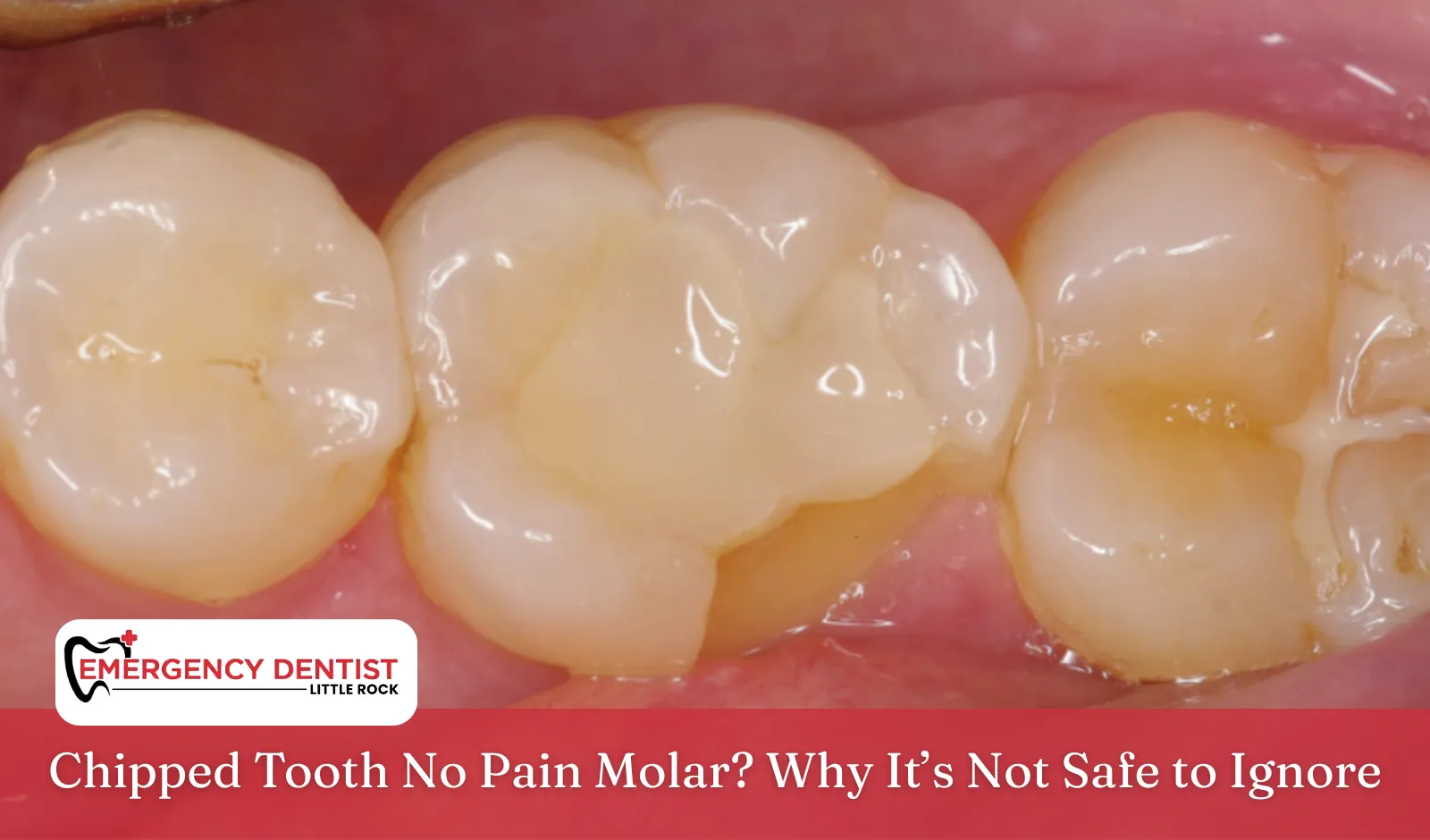
Yes. It’s very common to have a chipped molar tooth without pain, especially when the damage is limited to the enamel, the hard outer layer of the tooth. Because the nerve is deeper inside, you might not feel anything at first. You may only notice a sharp edge, a small piece missing, or a line that looks like a crack or chip.
However, pain-free does not mean problem-free. Even without pain, the tooth could be weakened or developing cracked teeth issues that can lead to bigger problems later.
Why You Shouldn’t Ignore a Chipped Tooth No Pain Molar
Your molars do most of the chewing work. When they have a chip or crack, the tooth becomes more fragile. Over time, chewing makes the damage worse, possibly turning a small issue into a deep cracked tooth.
Ignoring a chipped molar tooth no pain can lead to:
- Deep cracks that reach the nerve
- Tooth decay and cavities
- Sensitivity to hot, cold, or sweet foods
- Gum irritation or swelling
- Infection or dental abscess
- Need for a root canal or extraction
A small chip or crack may not hurt now, but it may turn into a costly and painful problem later.
Related: Small Chipped Tooth No Pain? Why You Should Take Action Now
What Causes Chipped or Cracked Molars?
You can chip or crack a tooth in many ways, including everyday activities. Below are the most common causes:
Chewing Hard Foods
Biting ice, candy, bones, or popcorn kernels can easily cause cracked teeth or chipped enamel.
Teeth Grinding (Bruxism)
Grinding or clenching your teeth, especially during sleep, puts too much pressure on molars, making them more likely to crack.
Accidents or Falls
Sports injuries, slips, or facial trauma can result in a sudden chip or crack in your molar.
Old Fillings or Dental Work
Older dental fillings may weaken over time and cause parts of the tooth to break off.
Age and Wear
As we get older, enamel becomes thinner and more vulnerable to damage.
Decay weakens tooth structure, making cracks or chips more likely.
Even something as simple as chewing your food can cause a chipped molar tooth no pain if the enamel is already weakened.
Risks of Leaving a Chipped Molar Untreated
Ignoring a minor chip or crack can lead to deeper damage. Even when there’s no pain, bacteria may enter through the damaged enamel and affect the inner layers. That can cause infection, gum inflammation, and even permanent nerve damage.
Here are potential consequences:
- Progression to a cracked tooth
- Tooth sensitivity or sharp pain while chewing
- Inflammation of the pulp (nerve tissue)
- Development of a painful abscess
- Higher cost of treatment later
- Possible tooth removal if untreated
A small chip today could turn into a serious dental emergency tomorrow.
Related: Can a Cracked Tooth Get Infected Before You Feel Pain?
How to Protect a Chipped Tooth Until You See a Dentist
If you suspect you have a chipped tooth no pain molar, here are steps to protect it:
- Avoid chewing on the damaged side.
- Stick to soft foods to avoid further cracking.
- Rinse with warm salt water to help reduce bacteria.
- Use dental wax to cover any sharp edges.
- Take over-the-counter pain relief if needed.
- Schedule an appointment with a dentist as soon as possible.
These tips don’t fix the damage, but they help protect your tooth until you can see an Emergency Dentist in Little Rock.
Treatment Options for Chipped or Cracked Teeth
Treatment depends on how big the chip or crack is and whether it affects the nerve. Here are common treatment options:
Best for small chips. A tooth-colored resin is applied to fill the chip or crack, restoring the tooth’s shape and function.
Dental Crown
Ideal for larger cracks or damaged molars. A crown fully covers the tooth, protecting it from further breakage.
Root Canal Treatment
If the crack reaches the nerve and causes infection, a root canal is necessary to clean and protect the tooth.
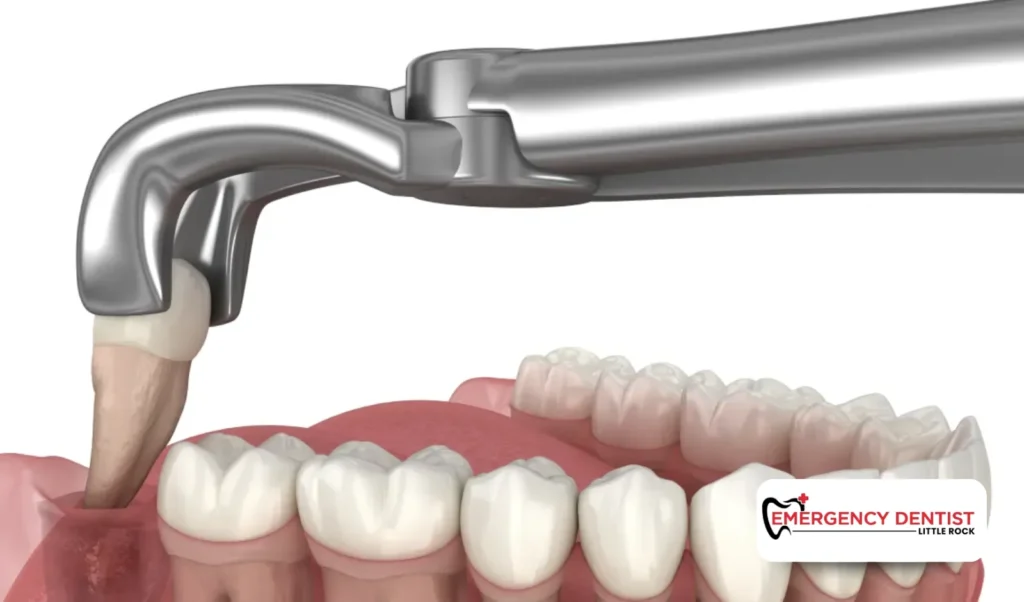
In severe cases, the tooth may be too damaged to be saved and must be removed.
Your dentist will examine your molar and recommend the most suitable treatment.
Related: Best Treatment for a Chipped Tooth: Fast Repair Guide
When to See an Emergency Dentist in Little Rock
Don’t wait for pain before visiting a dentist. A chipped molar tooth no pain can still be a warning sign. You should see a dentist quickly if:
- The chipped area has a sharp or rough edge.
- You notice sensitivity to hot, cold, or sweet foods.
- You see a visible crack forming or spreading.
- You feel pressure or pain when chewing.
- The tooth looks darker or discolored.
- There is swelling, bad odor, or bleeding around the tooth.
An Emergency Dentist in Little Rock can assess your tooth, stop damage from getting worse, and help prevent the need for major treatments like a root canal or extraction.
Related: When Is a Chipped Tooth an Emergency? Essential Care Guide
Final Thoughts
A chipped molar may seem like a small problem when there is no pain. However, the damaged area can sometimes become worse with continued chewing or daily use.
Instead of waiting for discomfort, take steps to protect your tooth and arrange a dental visit. An early evaluation can help identify the extent of the damage and whether treatment is needed.
Get Your Chipped Molar Checked by an Emergency Dentist in Little Rock
Have you noticed a chipped molar but feel no pain? Emergency Dentist in Little Rock provides dental evaluations for chipped and cracked teeth to help patients understand their dental needs.
Our dental team can examine the affected molar, check for signs of deeper damage, and explain possible treatment options based on the findings.
Contact us today to schedule your dental evaluation. Walk-ins are welcome when availability allows, and calling ahead may help reduce your wait.
Frequently Asked Questions
Can a chipped molar turn into a cracked tooth?
Yes. A chipped molar may develop a deeper crack if it is exposed to repeated chewing pressure. A dentist can check the damage and recommend ways to protect the tooth.
Can a chipped molar cause pain when chewing?
Yes. If the chip affects deeper parts of the tooth, biting or chewing may cause discomfort. Avoid chewing on that side and schedule a dental exam.
Can a chipped molar cause bad breath?
Sometimes. Food particles and bacteria can collect around a chipped tooth and contribute to bad breath. Keeping the area clean and seeing a dentist can help address the problem.