

Clove Oil for Tooth Pain: Does This Remedy Really Help?
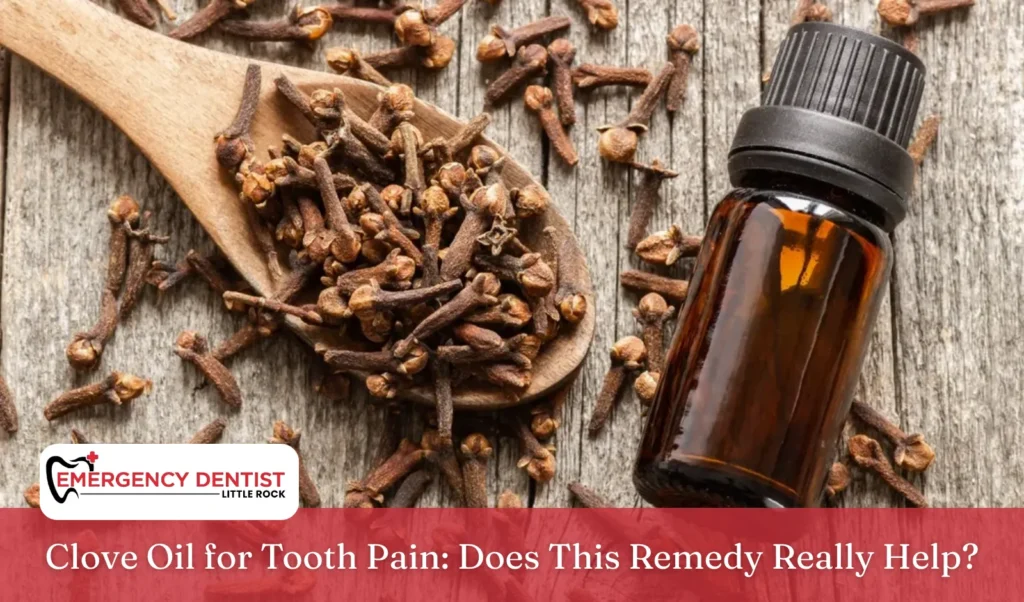
Toothache has a way of showing up at the worst possible moments, during work, before an event, or late at night. When that throbbing ache strikes, many people look for quick home remedies to find relief. One of the most common natural solutions is clove oil for tooth pain, known for its strong numbing and antibacterial effects. But does it actually work, and how should you use it safely?
This guide explains how clove and tooth pain are related, the science behind it, proper usage, possible side effects, and when to see an Emergency Dentist in Little Rock for lasting treatment.
Why Clove Oil Is a Popular Remedy for Toothache

Clove oil is an essential oil derived from the dried flower buds of the clove tree. For centuries, people have turned to cloves for tooth pain because of their natural ability to soothe and disinfect.
The secret lies in its active ingredient, eugenol, a natural compound known for its:
- Antibacterial properties that eliminate harmful bacteria.
- Numbing effect that helps reduce pain.
- Reducing inflammation in the affected area.
Because of these benefits, clove for tooth pain remains one of the most trusted natural remedies for temporary relief until you can visit a dental professional.
Does Clove Oil Really Work for Toothache Pain?
Studies show that clove oil for tooth pain can effectively relieve tooth pain. In some cases, its numbing properties are comparable to certain pain relievers available over the counter. However, it’s important to understand that while it offers pain relief, it doesn’t treat the root cause, especially if your discomfort comes from an infection, cavity, or cracked tooth.
For true healing, professional dental care is necessary.
Clove Oil Tooth Pain: How to Use It Safely
If you’re wondering how to use clove oil for tooth pain, follow this safe and simple method at home:
What You’ll Need:
- Pure clove oil (from a reliable brand)
- A cotton swab or cotton ball
- A carrier oil like coconut or olive oil
Instructions:
- Mix two or three drops of clove oil with one teaspoon of carrier oil.
- Dip the swab or cotton ball into the mixture.
- Gently apply it to the affected area or sore tooth.
- Let it sit for several minutes, then rinse your mouth with warm water.
This technique helps reduce pain and irritation while protecting your gums from the strong concentration of undiluted oil.
Possible Side Effects of Clove Oil

Although clove oil is considered safe when diluted, it can cause side effects if used incorrectly:
- Burning or irritation of the gums
- Allergic reactions in sensitive individuals
- Damage to oral tissues if applied undiluted
Always dilute clove oil with a carrier oil and avoid overuse. If irritation occurs, rinse immediately and discontinue use.
When to Visit a Dentist
While clove tooth pain treatment can provide temporary relief, persistent or severe toothache pain often signals a deeper dental issue. You should contact an Emergency Dentist in Little Rock if your pain is:
- Intense or long-lasting
- Paired with swelling, fever, or bad taste in the mouth
- Caused by a cracked or infected tooth
Your dentist can recommend treatments like fillings, root canals, or other procedures to restore your oral health and eliminate pain at its source.
Final Thoughts
Clove oil for tooth pain is a time-tested remedy for toothache that offers quick, natural comfort. Its antibacterial properties, numbing effect, and ability to reduce inflammation make it an effective home remedy for mild dental discomfort.
However, remember that clove oil is only a short-term solution. If your toothache pain continues, seek professional care with an Emergency Dentist in Little Rock to ensure lasting pain relief and better oral health.