

Can a Cracked Tooth Heal Itself? Quick Dental Care Guide
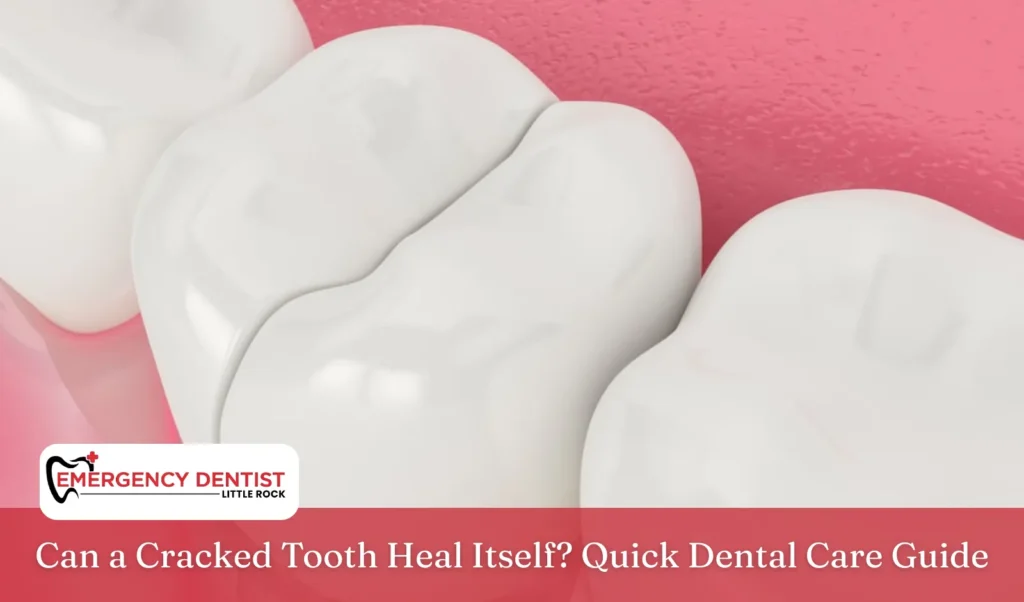
A cracked tooth can be alarming, especially when you feel sudden tooth pain while chewing or notice a small line across the surface. Many patients often wonder, can a cracked tooth heal itself? Unfortunately, it cannot. Once a tooth is cracked, it will not heal naturally. While minor cracks may not always require treatment, most need professional dental care to prevent infection, tooth loss, or other long-term dental issues.
Understanding Tooth Cracks and Enamel
Tooth enamel is the hardest material in your body and protects the softer layers beneath it. Beneath the enamel are the dentin and pulp, which contain blood vessels and nerves that keep your tooth healthy. When the enamel is damaged, bacteria can enter these layers, leading to infection or inflammation if not treated quickly.
Tooth cracks can happen for many reasons, chewing hard foods, teeth grinding (bruxism), or accidents. Over time, even a small broken or chipped tooth can get worse from chewing pressure or temperature changes, increasing the risk of pain and infection.
Types of Tooth Cracks and Their Severity
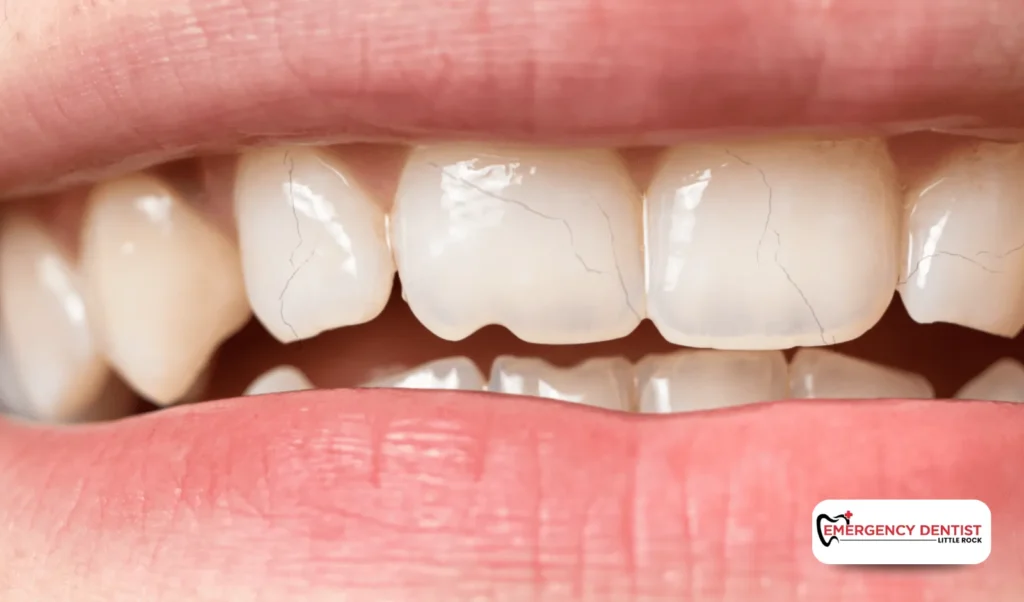
Not all tooth cracks are the same. The type and depth of the crack determine which dental treatment is needed to restore and save the tooth.
- Craze Lines: Fine surface cracks that only affect the enamel. These are cosmetic and typically don’t require treatment.
- Fractured Cusp: Occurs when a small portion near a filling breaks off. This type of tooth repair usually doesn’t reach the pulp but may require a dental crown to strengthen and protect the tooth.
- Cracked Tooth: A vertical fracture that extends toward the gum line but doesn’t completely split the tooth. Early treatment is essential to save the tooth and prevent infection.
- Split Tooth: A severe condition in which the tooth separates into two distinct parts. Unfortunately, this type of tooth will not heal and often requires tooth extraction followed by a dental implant or bridge to restore function.
Can a Cracked Tooth Heal Itself?
Tooth enamel, unlike skin or bone, cannot regenerate or heal once it’s damaged. Even if the pain fades temporarily, the crack remains and may deepen over time. Pressure from chewing, clenching, or teeth grinding can cause the fracture to spread further.
While small surface cracks may stay stable, deeper fractures can expose the inner pulp and blood vessels, leading to infection and pain. Ignoring the problem can lead to infection, abscess formation, or even total tooth loss. This is why immediate dental care is crucial to fix a cracked tooth and maintain your oral health.
Recognizing the Symptoms of a Cracked Tooth
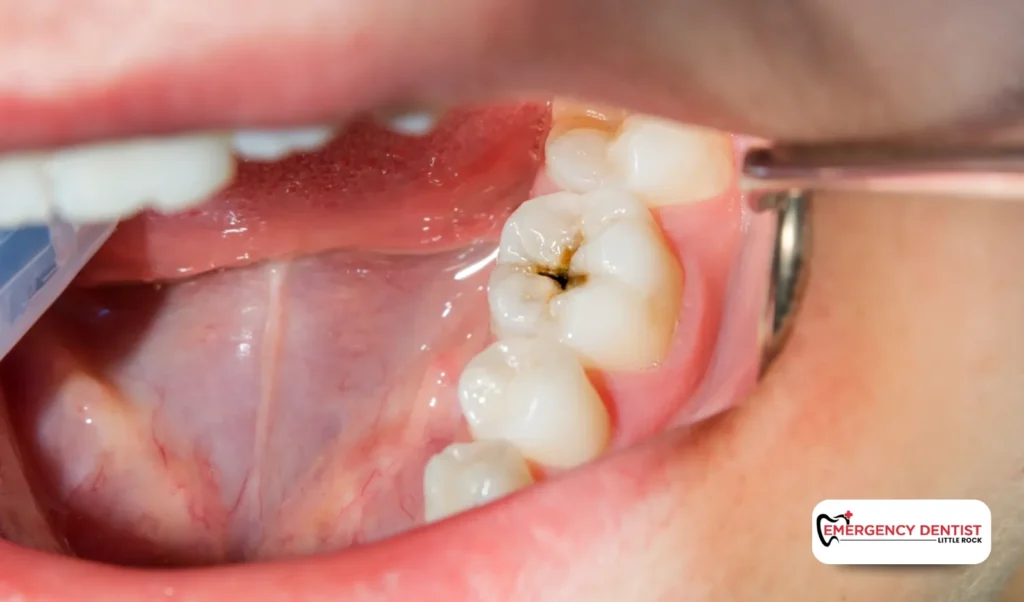
Cracked teeth can be difficult to diagnose because symptoms often come and go. Here are some common signs to look out for:
- Sharp or sudden tooth pain when biting or chewing
- Sensitivity to hot or cold foods and drinks
- Pain that’s difficult to pinpoint
- Swelling or tenderness around the gum line
If you experience any of these signs, it may indicate a dental emergency. Seek prompt dental treatment to prevent the problem from getting worse and to protect your oral hygiene.
How Dentists Diagnose and Treat Cracked Teeth
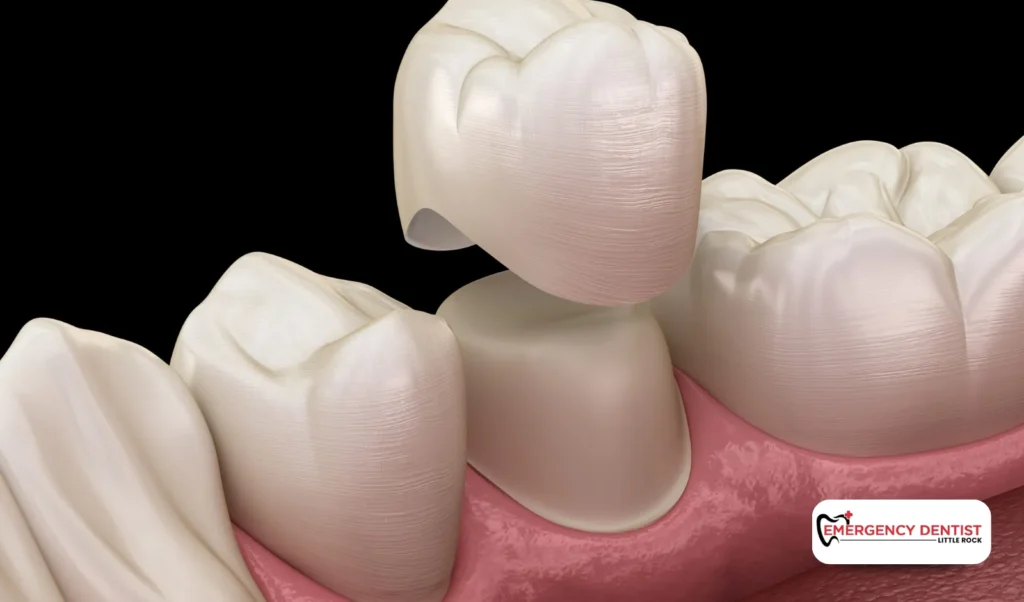
Dentists use visual exams, bite tests, and X-rays to find hidden fractures and decide on the best treatment. Depending on how severe the crack is, your dentist may suggest:
- Dental Bonding: For small cracks, a tooth-colored resin seals the crack and strengthens the tooth.
- Dental Crowns: For deeper cracks, a dental crown covers and protects the tooth, restoring its strength and function.
- Root Canal Therapy: If bacteria reach the pulp, a root canal removes the infection, cleans the tooth, and seals it to prevent further problems. This can save the tooth and relieve pain.
- Tooth Extraction and Dental Implants: For severe damage, such as a split tooth, extraction may be necessary. The missing tooth can then be replaced with a dental implant or bridge to restore your smile.
Why Early Treatment Is Important
Delaying treatment gives bacteria time to spread deeper into the tooth, increasing the risk of infection, swelling, and ongoing pain. Once bacteria reach the pulp, they can damage the nerves and blood vessels, leading to abscesses and possibly tooth loss.
Getting early treatment helps fix a cracked tooth, relieve pain, and preserve your natural teeth before more invasive procedures, such as tooth extraction, become necessary. Acting quickly often makes saving the tooth easier and more affordable.
At-Home Care Before Seeing Your Dentist
If you suspect a cracked tooth and can’t visit your dentist immediately, follow these steps to protect your oral health:
- Rinse your mouth gently with warm salt water to reduce bacteria.
- Avoid chewing on the affected side to prevent further damage.
- Stick to soft foods until you receive treatment.
- Apply a cold compress to your face if swelling occurs.
- Schedule a prompt visit with an Emergency Dentist in Little Rock to get professional care.
Preventing Future Tooth Cracks
Once your cracked tooth has been repaired, maintaining proper oral hygiene and habits is essential for long-term protection.
- Wear a night guard if you suffer from teeth grinding.
- Avoid chewing on ice, pens, or hard candies.
- Practice good dental care by brushing twice daily with fluoride toothpaste and flossing regularly.
- Schedule regular dental checkups and cleanings.
- Avoid sudden temperature changes, such as drinking cold water right after hot coffee.
Conclusion
So, can a cracked tooth heal itself? Unfortunately, no. Once tooth enamel is damaged, it cannot regrow or repair on its own. While small tooth cracks may not cause immediate harm, deeper fractures can expose nerves and blood vessels, leading to infection, pain, or even tooth extraction if untreated.
The good news is that with modern dental treatment, including dental bonding, dental crowns, and root canal therapy, dentists can fix a cracked tooth, relieve pain, and restore your smile.
If you suspect a crack or feel tooth pain, don’t wait. Schedule your visit with an Emergency Dentist in Little Rock today for expert care and a long-term solution to protect your oral health.