

Can a Cracked Tooth Get Infected Before You Feel Pain?
Quick Answer
Can a cracked tooth cause an infection?
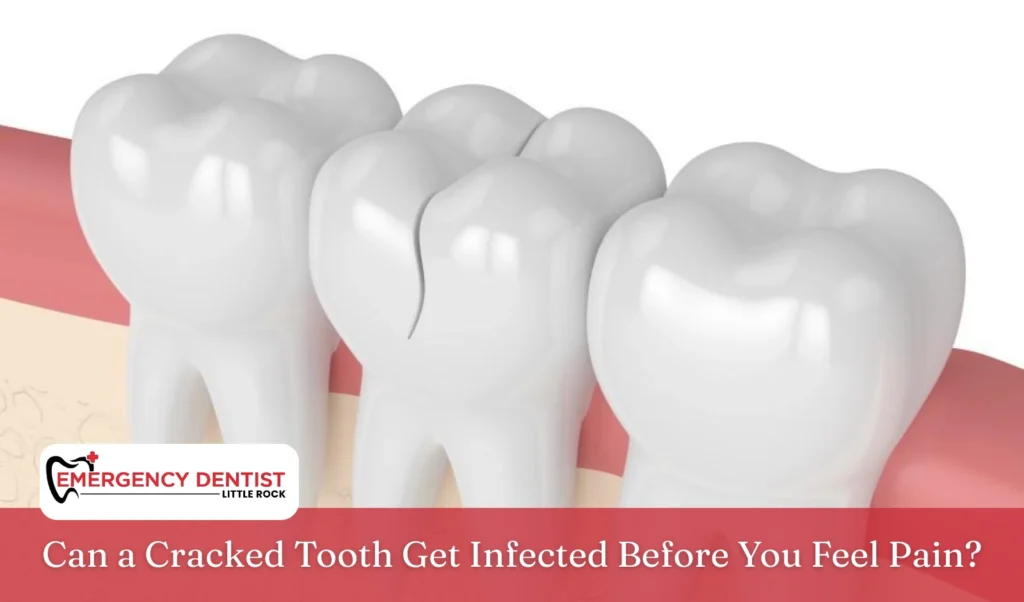
Yes. When a crack forms in a tooth, it can allow bacteria to enter the inner layers. If left untreated, this opening may lead to an infection that worsens over time.
Key Takeaways
- A cracked tooth can allow bacteria to reach sensitive areas
- Cracked teeth may not cause pain right away
- Early dental care helps prevent infection and protect oral health
- Many treatment options focus on ways to save the tooth
If you’ve ever noticed a small line on your tooth or felt a sudden jolt while chewing, you may wonder, can a cracked tooth get infected even if it doesn’t hurt? This is a common question.
Not all cracked teeth cause immediate discomfort. In fact, many cracks stay quiet at first. However, that doesn’t mean they’re harmless. Over time, a cracked or broken tooth can quietly worsen beneath the surface. Bacteria may pass through the crack and reach areas that were once sealed, putting your oral health at risk.
Understanding how a cracked tooth can lead to infection helps you know when it’s time to act.

How Teeth Become Cracked
Teeth are durable, but daily wear and unexpected events can weaken them. Common causes include:
- Biting into hard foods like popcorn kernels
- Accidental injuries or trauma
- Ongoing teeth grinding
- Normal wear over time
Not all cracks are the same:
- Craze lines are tiny enamel cracks and are usually cosmetic
- A minor cracked tooth may cause mild sensitivity
- When a crack extends deeper, inner layers of the tooth may become exposed
- Deeper cracks increase the chance that the tooth can lead to infection
Once the protective enamel is compromised, bacteria have an easier path inside.
Can a Cracked Tooth Cause an Infection
Yes, can a cracked tooth cause infection is a real concern. Inside each tooth is the tooth pulp, which contains nerves and blood vessels. This sensitive tissue is normally protected by enamel and dentin.
When a crack allows bacteria to enter, irritation and inflammation can develop. If the tooth is left untreated, bacteria may reach the pulp and cause infected pulp or even a tooth abscess. In more serious cases, infection spreading beyond the tooth may occur.
This is why dentists emphasize early evaluation. What starts as a small crack can lead to an infection if ignored.
Common Symptoms to Watch For
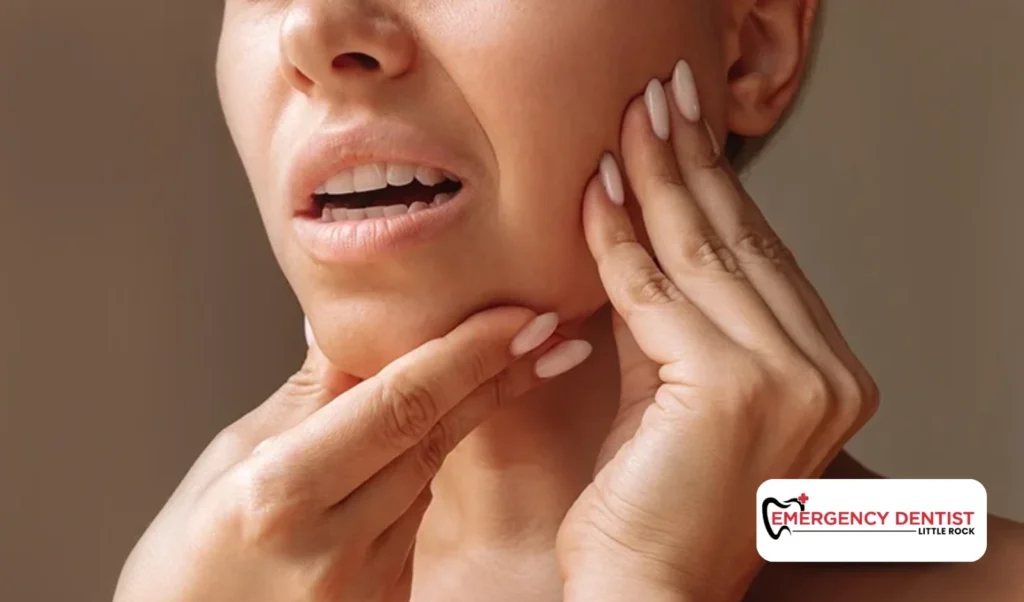
Cracked teeth don’t always hurt right away, but these common symptoms may signal a problem:
- Pain when chewing or releasing pressure
- Sensitivity to hot or cold foods
- Swelling near the gums
- A tooth that feels fine one day and sore the next
Even symptoms that come and go deserve attention, as they may indicate infection beginning below the surface.
How Dentists Treat Cracked Teeth
Treatment depends on how deep the crack is and whether infection is present. The goal is always to save the tooth when possible.
- Dental bonding may seal small cracks and protect the tooth
- A dental crown can reinforce cracked teeth and prevent further damage
- Root canal therapy may be needed if bacteria reach the pulp
- If damage is severe, tooth extraction may be recommended
- Replacement options, such as dental implants, can restore function
Your dentist will explain each option clearly so you can make confident, informed decisions.
What You Can Do at Home While You Wait
Home care cannot repair a cracked tooth, but it may help prevent infection from worsening until your appointment:
- Avoid chewing on the affected side
- Skip hot or cold foods if sensitivity is present
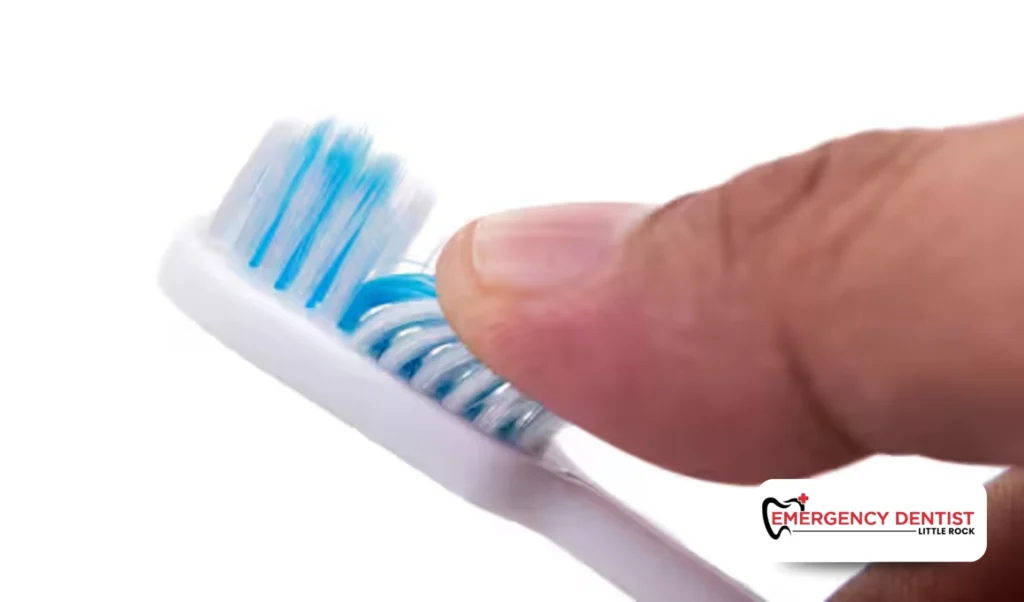
- Use a soft-bristled toothbrush
- Address grinding habits with professional guidance
These steps may reduce irritation, but they should never replace dental care.
When to Call an Emergency Dentist in Little Rock
Contact an Emergency Dentist in Little Rock if:
- Pain or sensitivity lasts longer than expected
- Swelling develops around the tooth or gums
- The cracked tooth feels worse over time
- You’re unsure how serious the damage may be
Prompt treatment can reduce the risk of infection spreading and protect your long-term oral health.
Final Thoughts
A cracked tooth may not seem urgent at first, but it can lead to serious problems when ignored. Knowing how a cracked tooth can cause an infection helps you take action early. In many cases, early care means simpler treatment and better outcomes.Lorem ipsum dolor sit amet, consectetur adipiscing elit. Ut elit tellus, luctus nec ullamcorper mattis, pulvinar dapibus leo.
Concerned About a Cracked Tooth in Little Rock
Dental cracks don’t always cause pain right away, but that doesn’t mean they’re safe to ignore. If you’re worried about a cracked tooth or signs of infection, professional care can make all the difference.
The team at Emergency Dentist in Little Rock provides calm guidance, gentle treatment, and timely care when dental concerns can’t wait. Reach out today to protect your smile and get the clarity you deserve.
Frequently Asked Questions
Can my cracked tooth get infected even if I don’t feel pain yet?
Yes. Some cracks allow bacteria inside before pain or sensitivity begins.
Are craze lines something I should be worried about?
Craze lines are usually cosmetic, but a dentist can confirm whether they affect your tooth.
Will every cracked tooth need major dental treatment?
No. Some cracks only require monitoring or minor protection, depending on depth and symptoms.