

Cracked Tooth Syndrome Symptoms and Preventive Care
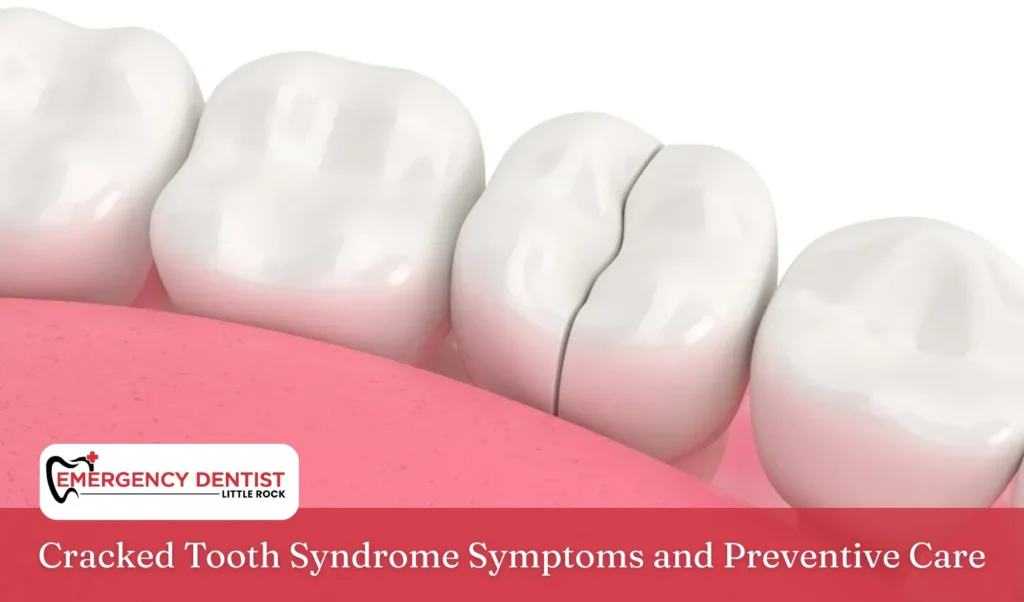
Have you ever felt a sharp pain while chewing or sensitivity to hot or cold foods? These are common cracked tooth symptoms that may signal a dental condition known as cracked tooth syndrome (CTS). This often-missed dental problem occurs when tiny cracks form in the tooth enamel or deeper layers of the tooth. Over time, these cracks can worsen, leading to severe tooth pain, infection, and even the need for a root canal treatment or tooth extraction.
Recognizing cracked tooth syndrome symptoms early and visiting an Emergency Dentist in Little Rock can prevent serious oral complications and protect your smile.
What Is Cracked Tooth Syndrome?
Crack tooth syndrome, also called cracked tooth syndrome (CTS), happens when a tooth develops fine fracture lines that are often too small to see. Unlike a completely broken tooth, these small cracks may not be visible on the surface of the tooth, making diagnosis and treatment difficult.
The seriousness of the condition depends on how far the crack extends, whether it’s limited to the tooth enamel, reaches the dentin, or extends to the root of the tooth. If the dental pulp becomes irritated or infected, it can lead to persistent pain and require immediate dental care. Because symptoms can come and go, patients sometimes ignore them until the fractured tooth worsens.
Cracked Tooth Syndrome Symptoms to Watch For
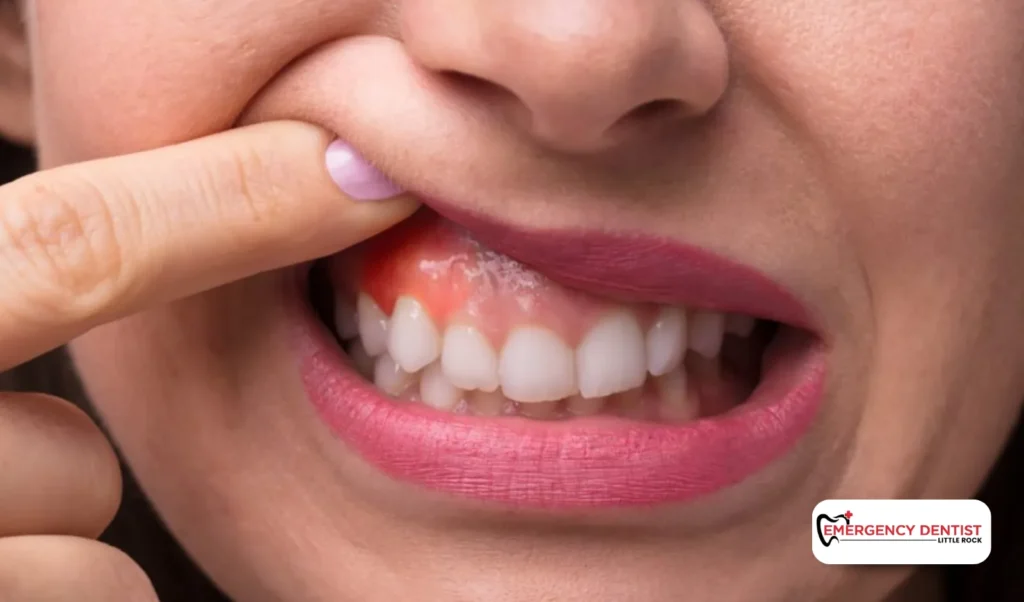
The cracked tooth syndrome symptoms can differ depending on the crack’s location and depth. Watch for:
- Sharp or shooting tooth pain when chewing or releasing pressure
- Sensitivity to hot or cold foods or drinks
- Intermittent pain that’s difficult to locate
- Swelling or soreness near the gum line
- The feeling that something is lodged between your teeth
Because these signs can resemble other dental issues, it’s important to share your dental history with your dentist for proper diagnosis and treatment.
Types of Cracked Teeth
Not all cracks are the same. Understanding the types of cracked teeth helps determine the best treatment option.
1. Craze Lines
These are fine, shallow cracks that appear on the surface of the tooth enamel. While craze lines are mostly cosmetic and harmless, they can worsen with time or teeth grinding if ignored.
2. Fractured Cusp
A fractured cusp occurs when a piece of the chewing surface breaks off, often around a filling. It typically doesn’t reach the dental pulp, but it can still cause sensitivity or discomfort.
3. Split Tooth
A split tooth happens when a crack extends deep enough to divide the tooth into separate parts. Depending on how far the crack travels, it may require a filling or crown, or in severe cases, a tooth extraction if the structure cannot be saved.
4. Vertical Root Fracture
A vertical root fracture begins at the root of the tooth and moves upward. This is one of the most serious forms of tooth fracture and often remains undetected until infection or swelling develops.
Causes and Risk Factors
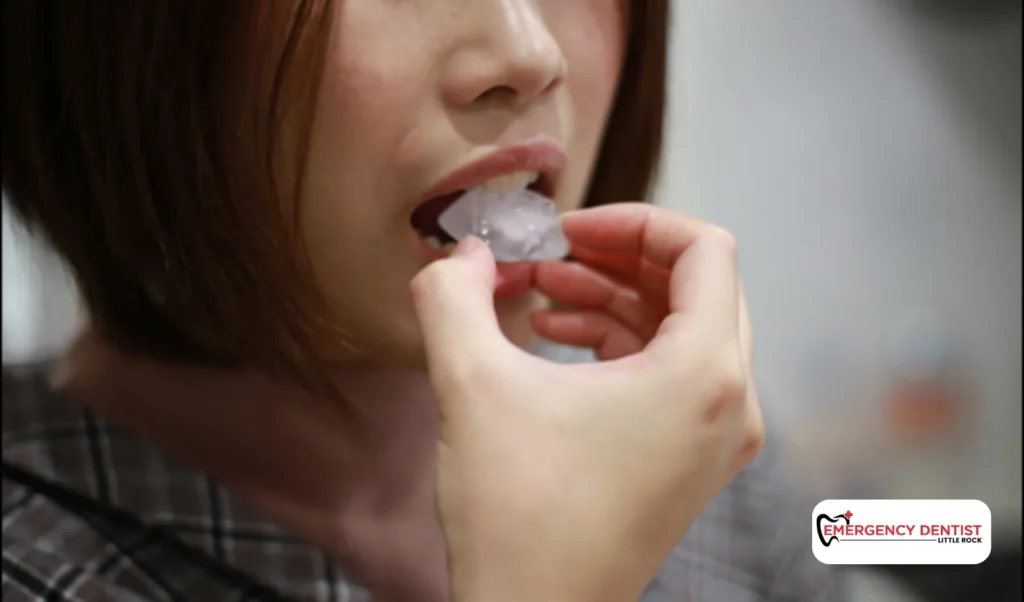
Several everyday habits or conditions can cause a fractured tooth or crack or fracture:
- Biting hard foods like ice, nuts, or hard candy
- Teeth grinding (bruxism) that weakens the surface of the tooth
- Large fillings that reduce the tooth’s strength
- Dental trauma such as a fall or blow to the face
- Age-related wear and tear over time
Even healthy teeth can crack under pressure, especially when stressed repeatedly.
How Dentists Diagnose Cracked Tooth Syndrome
Detecting cracked tooth syndrome can be challenging since tiny fracture lines may not appear on X-rays. Dentists use advanced tools and methods such as:
- Bite tests to pinpoint the painful area
- Light reflection or magnification to reveal hidden cracks
- Dye staining to make fracture lines visible
- A review of your dental history to identify past dental trauma
In some cases, 3D imaging helps locate cracks below the surface of the tooth, ensuring an accurate diagnosis and treatment plan.
Treatment Options for a Fractured Tooth
The ideal treatment option depends on how deep or severe the crack extends:
- Dental Bonding or Filling: For small craze lines, a simple bonding or filling can restore both appearance and strength.
- Filling or Crown: When a fractured tooth needs more protection, a filling or crown covers the tooth to prevent further damage.
- Root Canal Treatment: If the dental pulp is infected or exposed, a root canal therapy removes infection and saves the tooth.
- Tooth Extraction: For advanced cases, such as a split tooth or vertical root fracture, the damaged tooth must be extracted and replaced with an implant or bridge.
Why You Shouldn’t Leave a Cracked Tooth Untreated
Even a small fractured cusp can lead to major complications if left untreated. Cracks can deepen, allowing bacteria to invade the dental pulp, leading to infection, abscess, or even bone loss. Ignoring the signs of a cracked tooth can turn a manageable condition into an urgent dental issue that requires more invasive procedures.
Early diagnosis and treatment help prevent infection, save your natural teeth, and preserve your overall oral health.
Emergency Dentist in Little Rock: Immediate Dental Relief
If you notice tooth pain, pressure sensitivity, or swelling near the gum line, don’t delay treatment. Visit an Emergency Dentist in Little Rock for fast and professional care.
Modern diagnostic tools allow dentists to quickly identify whether you need a filling or crown, root canal treatment, or tooth extraction. Prompt care prevents the crack from extending deeper and reduces the risk of permanent damage.
Prevention Tips for Protecting Tooth Enamel
While it’s not always possible to prevent cracked tooth syndrome, these tips help reduce your risk:
- Avoid chewing hard foods or objects
- Wear a nightguard if you grind your teeth
- Use a mouthguard during contact sports to prevent dental trauma
- Strengthen enamel with fluoride treatments and good oral hygiene
- Get regular dental checkups for early detection of cracked tooth symptoms
Conclusion
Cracked tooth syndrome (CTS) can cause discomfort, sensitivity, and long-term complications if ignored. By paying attention to cracked tooth symptoms, like pain when chewing, sensitivity to hot or cold foods, or swelling along the gum line, you can act before the crack extends into the root of the tooth.
Treatment options range from a simple filling or crown to root canal treatment or tooth extraction, depending on the severity. If you suspect a broken tooth or tooth fracture, don’t wait. Contact an Emergency Dentist in Little Rock for immediate care and professional diagnosis and treatment. With timely attention, you can relieve pain, protect your oral health, and keep your smile strong for years to come.