

What Is a Dental Implant? Comfort, Procedure & Smile Results
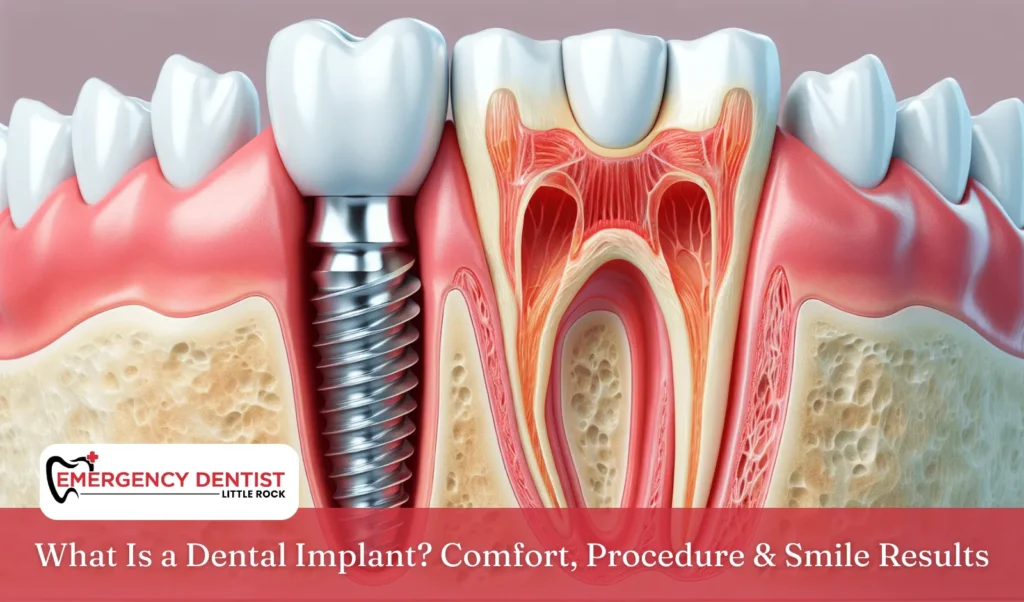
What is a dental implant, and why is it considered one of the most trusted modern solutions for tooth replacement? A dental implant is a long-lasting artificial tooth designed to feel and function like your natural teeth. Unlike removable denture options, implants are securely attached to the implant site in your jawbone, helping improve chewing, speaking, and overall oral health. They also restore confidence by giving you a natural-looking smile.
If you are exploring tooth replacement or curious about dental implant procedures, this guide explains what they are, how they work, and why they offer long term success. An Emergency Dentist in Little Rock can help determine if you are a good candidate.
What Is a Dental Implant?
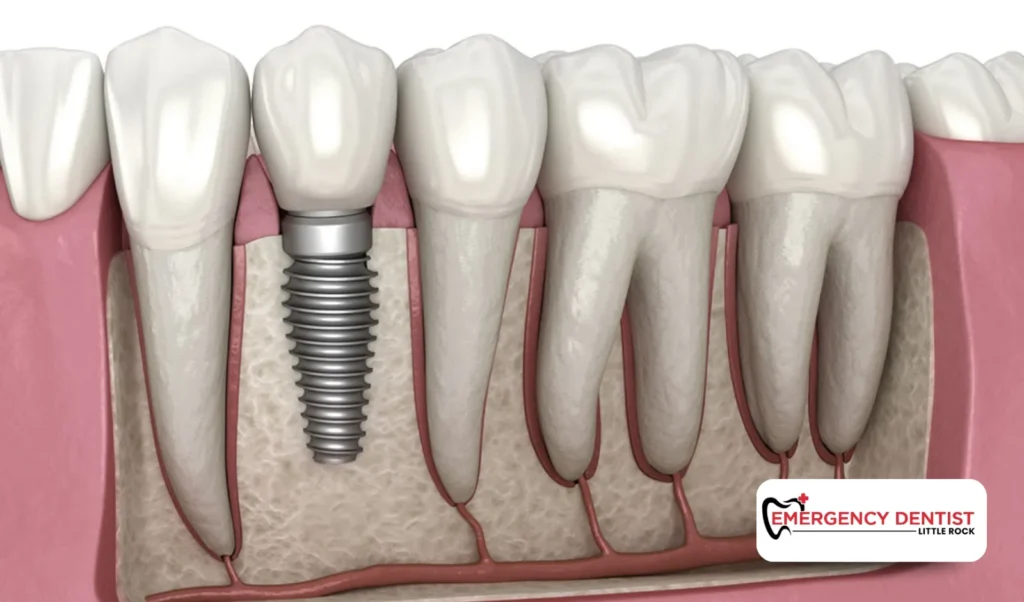
A dental implant is a metal implant, usually made of titanium, that is surgically inserted into the jawbone. It acts like tooth roots and provides strong support for artificial teeth such as a crown, bridge, or denture. Over time, the jawbone becomes naturally attached to the implant, giving it stability and strength. The visible part of the implant, often a crown, is custom-made to match your natural teeth, so it blends with your smile. Most people cannot tell the difference between a dental implant and real teeth.
Why Choose Implants Over Dentures or Bridges?
Traditional tooth replacement options like a removable denture or bridge can improve appearance but may lack stability. Dental implants feel and function more like natural teeth. They promote good oral health, protect gum tissue, and help prevent bone loss by replacing missing tooth roots. Implants do not slip or make clicking sounds while talking or eating. According to the Academy of Implant Dentistry, dental implants have high success rates and are trusted for long term success.
Key Benefits of Dental Implants
The benefits of dental implants go beyond looks:
- They help preserve the jawbone and prevent bone loss.
- They support natural chewing and speaking.
- They protect gum tissue and surrounding teeth.
- They replace missing tooth roots and provide strong support.
- They offer long term success compared to a crown, bridge, or denture.
Many patients say implants look and feel so natural that they forget they are artificial teeth.
Dental Implant Procedures: Step-by-Step
Here’s what typically happens during dental implant procedures:
1. Initial Evaluation
Your dentist checks your bone support, gum tissue, oral health, and overall health. This helps make sure dental implant surgery is safe and right for you.
2. Surgically Inserted Implant
A metal implant is surgically inserted into the jawbone. This titanium post acts like tooth roots and holds the artificial tooth in place. Local anesthesia keeps you comfortable during the procedure.
3. Healing and Attachment
Over several months, your bone naturally attaches to the implant in a process called osseointegration. This forms a strong, solid base attached to the implant.
4. Implant Abutment and Crown Placement
Once healing is complete, the dentist attaches the abutment, which connects the implant to the artificial tooth. Then, a custom-made crown, bridge, or denture is attached to the abutment, completing your tooth replacement.
According to the Academy of Periodontology, implants require healthy gum tissue and strong bone to ensure long-term success and stability.
Implant-Supported Tooth Replacement Options
There are different types of tooth replacement options that use implants:
- Single Tooth Implant: Replaces one missing tooth with a crown.
- Implant-Supported Bridge: Replaces several teeth in a row.
- Implant-Supported Denture: A removable denture or fixed denture supported by multiple implants.
These options stay secure and stable, unlike traditional removable denture solutions that can slip or move.
What Causes Implant Failure?
Although rare, implant failure can happen. Common causes include:
- Poor oral hygiene
- Infection in the gum tissue
- Smoking or uncontrolled diabetes
- Weak bone support
- Not following dentist’s instructions
Practicing good oral health habits and attending regular check-ups can help prevent implant failure.
Long-Term Success and Care
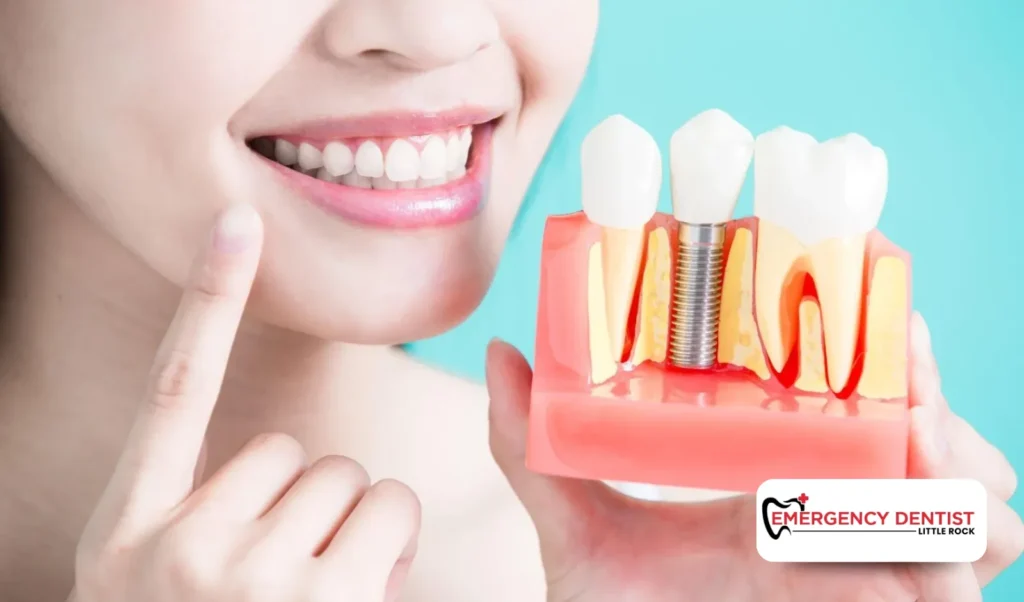
Dental implants are designed for long term success. With proper care, they can last many years or even a lifetime. Just like natural teeth, implants require brushing, flossing, and routine dental visits. Avoid harmful habits like using your teeth to open packages or chewing hard objects like ice.
When to Contact an Emergency Dentist
If you notice pain, swelling, gum irritation, or a loose crown, contact an Emergency Dentist in Little Rock right away. Early treatment can help prevent implant failure, protect gum tissue and bone support, and maintain the long-term comfort and stability of your dental implant.
Conclusion
Dental implants do more than replace missing teeth, they help restore your confidence, comfort, and long-term smile stability. By supporting oral health, protecting your gums and jawbone, and functioning like natural teeth, they are one of the most trusted solutions for tooth replacement. Whether you need to restore one tooth or several, dental implants offer strength, durability, and a natural appearance that lasts.
Now that you understand what a dental implant is, how it works, and why it’s so effective, connect with an Emergency Dentist in Little Rock to explore your best tooth replacement options and take the first step toward a healthier, brighter smile.