

Do Dental Implants Hurt? Comfort, Recovery & Real Pain Facts
When people consider dental implant surgery, one of the most common questions is, do dental implants hurt? The thought of surgery might sound scary, but thanks to modern dental techniques, advanced pain control methods, and proper aftercare, most patients describe the experience as manageable and far less painful than expected. Let’s take a closer look at what happens during the dental implant procedure, how pain is controlled, and what to expect during recovery.
Does Dental Implant Surgery Hurt?
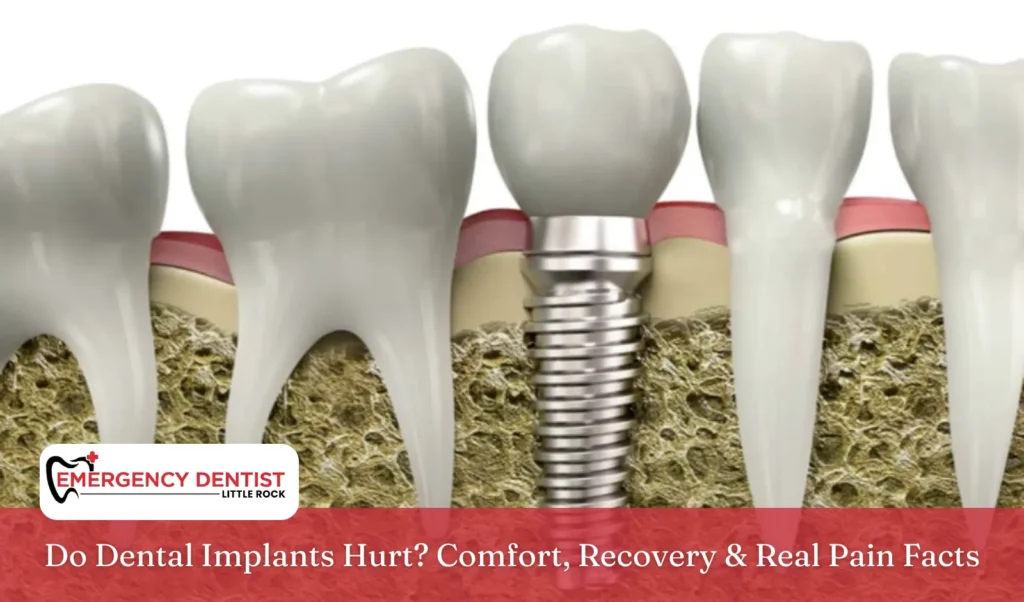
During dental implant surgery, a titanium post is placed into the jawbone to act as an artificial tooth root. While this might sound uncomfortable, the dentist uses local anesthesia to numb the implant site completely. When numbing the area, you shouldn’t feel any pain, only mild pressure or slight vibration during the procedure. Many patients are surprised that the process is more comfortable than expected.
If you feel anxious, you can also choose sedation options such as nitrous oxide or oral sedation. These methods help you stay calm and relaxed, making the experience easier. With these techniques, most people say the procedure does not hurt. So, does getting a dental implant hurt? For most patients, it shouldn’t feel painful, just strange or a bit unusual.
Sedation and Local Anesthesia
The main goal during surgery is to ensure you do not feel any pain. Local anesthesia blocks pain signals by numbing the area, so you shouldn’t feel any discomfort during treatment. Sedation options do not put you fully to sleep, but they help reduce stress and anxiety. These options are especially helpful for patients with dental fears or those undergoing a bone graft or multiple implant placements.
What Happens Right After Surgery?
Once the anesthesia wears off, it is normal to feel some tenderness, mild swelling, or soreness near the surgical site. This is your body’s natural response as the healing phase begins. This discomfort is usually similar to what you’d experience after a tooth extraction and generally gets better within a few days.
During the implant healing stage, the jawbone starts to bond with the titanium post in a process called osseointegration. This step is very important because it helps create a secure foundation for your future tooth replacement.
Is the Recovery Painful?
So, does getting a dental implant hurt after surgery? Some soreness is expected, but most people describe it as mild and manageable. Dentists often recommend pain medication or over-the-counter options like ibuprofen to help reduce discomfort. To ease swelling, you can apply an ice pack to the cheek near the implant site for the first 48 hours. This helps reduce inflammation and promotes healing.
Your dental professionals will also give you clear instructions on how to take care of the surgical site, including how to maintain good oral hygiene during recovery.
Tips for a Smooth Healing Phase

To help your recovery go smoothly, follow these easy care tips:
- Take pain medication as prescribed.
- Use an ice pack during the first 48 hours to minimize swelling.
- Eat only soft foods like yogurt, applesauce, soup, smoothies, or mashed potatoes.
- Avoid chewing directly on the implant site.
- Maintain gentle brushing and oral hygiene to prevent infection.
- Avoid smoking, as it may slow down the healing phase.
Most people recover quickly and feel better within a week. You may return to normal activities in just a few days, depending on your healing progress.
When Should You Contact an Emergency Dentist in Little Rock?
While mild discomfort is normal, certain symptoms should not be ignored. Contact an Emergency Dentist in Little Rock if you experience:
- Pain that increases instead of improving
- Swelling that worsens after several days
- Bleeding that continues or gets heavier
- Fever, unusual taste, or signs of infection
- Pus or foul smell from the implant site
Early dental attention can help prevent complications and protect your implant.
Final Thoughts
So, does it hurt to get dental implants? Thanks to local anesthesia and careful surgical techniques, most people experience minimal discomfort. Some soreness after surgery is normal, but it is typically mild and manageable with rest, medication, and proper care. While the phrase dental implants painful may worry some people, most patients agree that the pain is much less than expected, and the long-term benefits of a strong, natural-looking replacement tooth are worth it.
Dental implants are one of the most reliable and long-lasting solutions for missing teeth. With proper care and support from a trusted dentist, the entire process, from surgery to full recovery, can be smooth, comfortable, and rewarding.
If you ever feel any pain beyond normal healing or have concerns during post surgery recovery, don’t hesitate to contact an Emergency Dentist in Little Rock for guidance and peace of mind.
Frequently Asked Questions
Are dental implants painful during the procedure?
No. Local anesthesia numbs the area, so you should not feel pain during dental implant surgery, only mild pressure.
Does getting a dental implant hurt after surgery?
Some swelling or soreness is normal, but it is usually mild. Using an ice pack and taking pain medication can help relieve discomfort.
How long does discomfort last after dental implant surgery?
Most soreness improves within a few days and continues to lessen during the healing phase.
What foods can I eat after surgery?
It is best to eat soft foods such as yogurt, smoothies, soup, and mashed potatoes to protect the surgical site.