

Dry Socket After Tooth Extraction: Signs, Causes, and Care
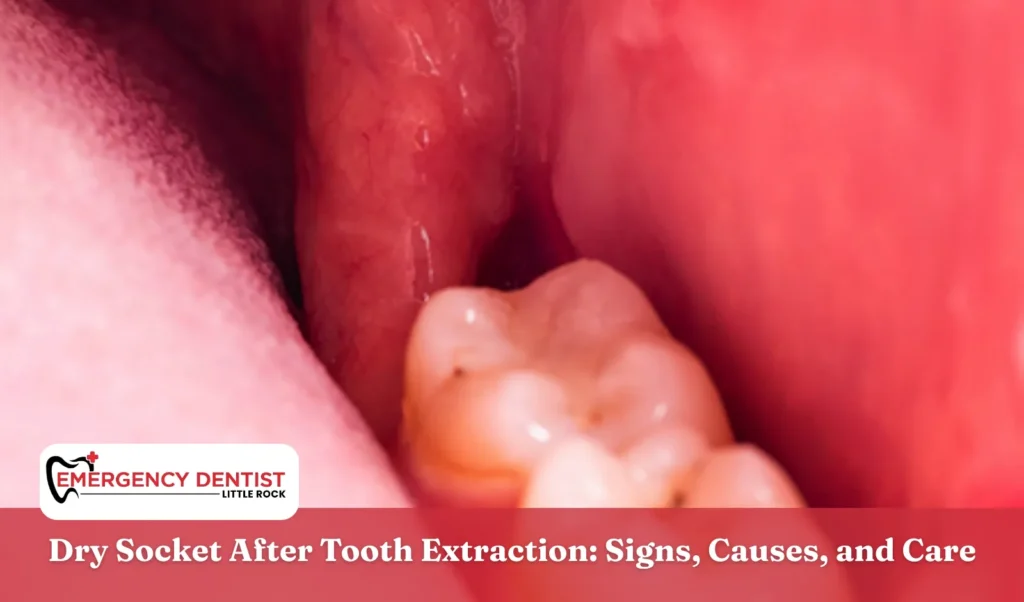
Having a tooth removed is a common dental procedure, but the healing process does not always go smoothly. One painful condition that can develop afterward is a dry socket after a tooth extraction. Many patients wonder, what is a dry socket in tooth extraction?
This guide explains the condition clearly, including the risk factors, symptoms of dry socket, ways of preventing dry socket, and when to contact a dentist for care. If problems arise, an Emergency Dentist in Little Rock can help your mouth heal safely.
What Is a Dry Socket in Tooth Extraction?
A dry socket, also called alveolar osteitis, happens when the blood clot at the site of a tooth removal does not stay in place. Normally, after a tooth is removed, a blood clot forms in the socket. This clot is essential because it protects the bone and nerves underneath and allows healing to begin.
If the clot dissolves too early, becomes loose, or never fully forms, the socket is left open. This can lead to exposing bone and sensitive tissue. Instead of healing properly, the area becomes irritated and painful. While not every patient experiences this issue, dry socket is one of the most common complications after wisdom teeth are removed.

Risk Factors for Developing Dry Socket
Several things can interfere with healing and increase the risk factors for developing dry socket, including:
- Smoking or vaping, which can loosen the clot
- Using straws, which create suction that may remove the clot
- Rinsing too hard during the first 24 hours
- Taking birth control pills, which can affect healing
- Poor oral hygiene or an infection
- A difficult or surgical tooth removal
These factors can prevent the clot from protecting the socket during the early healing stages.
Symptoms of Dry Socket
Recognizing problems early makes treatment easier. Common symptoms of dry socket include:
- Severe pain starting a few days after tooth removal
- A visible socket with exposed bone
- A strong bad taste or bad breath
- Pain that spreads to the ear, jaw, or side of the face
- A slower-than-normal healing process
If you notice these signs, you should contact an Emergency Dentist in Little Rock right away.

Preventing Dry Socket After Tooth Removal
The best way to manage this condition is to prevent dry sockets from the start. After tooth removal, follow your dentist’s instructions carefully:
- Do not smoke, spit, or use straws
- Eat soft foods like yogurt, mashed potatoes, and smoothies
- Allow the blood clot to form naturally and do not disturb it
- After the first 24 hours, gently rinse with warm salt water
- Brush and floss carefully, avoiding the extraction area
These steps help protect the clot and reduce the chance of complications.
How Dry Socket Is Treated
If a dry socket does develop, professional care is important. When dry socket is treated early, pain relief and healing can begin quickly. Treatment may include:
- Cleaning the socket to remove debris or bacteria
- Applying medicated dressings to protect exposed tissue
- Prescribing medication to manage pain or infection
Prompt care helps restart the healing process and prevents further damage.
Wisdom Teeth and Dry Socket Risk
Dry socket is especially common after wisdom teeth removal. These teeth are located in the back of the mouth, where cleaning is more difficult. The sockets are often larger, which increases the chance of clot problems.
Because of this, patients who undergo wisdom tooth removal should be extra cautious. Following aftercare steps closely is key to avoiding complications.
Conclusion
A dry socket after a tooth extraction can be very painful, but understanding the condition makes recovery less stressful. When a blood clot at the site stays in place, it protects the bone and nerves and supports proper healing.
By knowing the risk factors, following instructions, using gentle salt water rinses, and choosing to eat soft foods, you can reduce the chance of problems. If the symptoms of dry socket appear, especially pain or bad breath, an Emergency Dentist in Little Rock can ensure the dry socket is treated quickly and safely.