Extracted Wisdom Tooth Recovery: Easy Healing & Care Guide
Quick Answer
How long does it take to recover after an extracted wisdom tooth?
Most people notice improvement within a few days after wisdom tooth removal. However, complete healing of the gum tissue may take several weeks. Protecting blood clots, following aftercare steps, and eating soft food can help recovery feel smoother and more comfortable.
Key Takeaways
- An extracted wisdom tooth is a routine oral surgery that helps protect oral health.
- Keeping blood clots stable lowers the risk of dry sockets and supports healing.
- Mild swelling, soreness, and jaw stiffness are common after tooth extraction.
- An ice pack and soft food choices can improve comfort during recovery.
- Seek professional care in Little Rock if pain, swelling, or bleeding worsens.
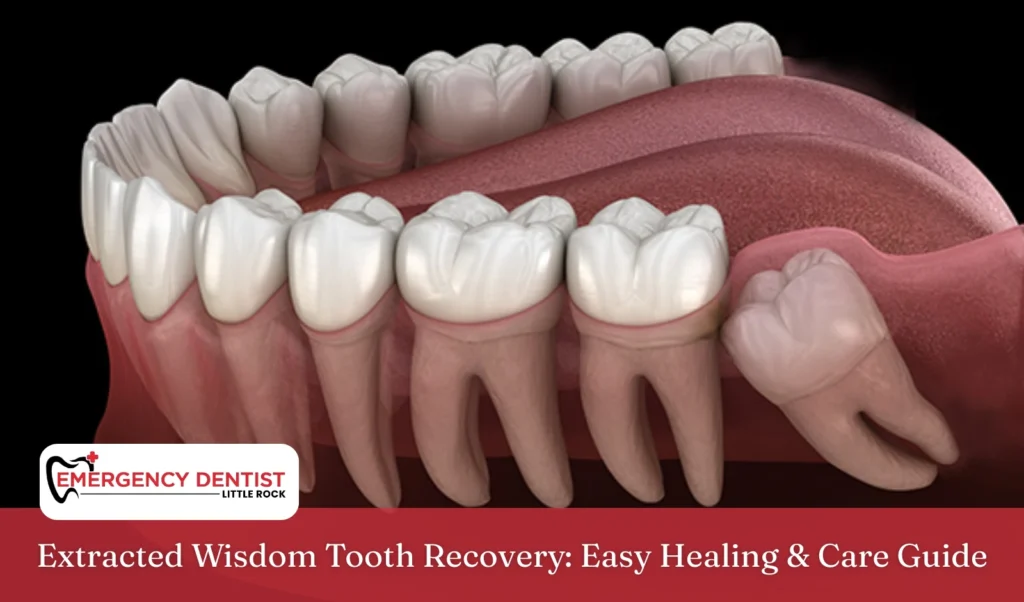
Needing wisdom tooth removal can feel stressful, especially if you’re unsure what to expect. Fortunately, wisdom tooth extraction dentists use modern techniques that make the procedure easier than many patients expect. Improved local anesthesia, general anesthesia, and gentle oral surgery methods help reduce discomfort and support faster healing.
A dentist or oral surgeon may recommend removing wisdom teeth when there isn’t enough space for proper growth or when impacted wisdom teeth cause pressure, infection, or damage to nearby teeth. Understanding the process can make recovery feel less stressful and more predictable.
This guide explains why wisdom teeth extraction may be needed, what happens during treatment, and how to care for your mouth afterward.
Why Wisdom Tooth Removal May Be Necessary
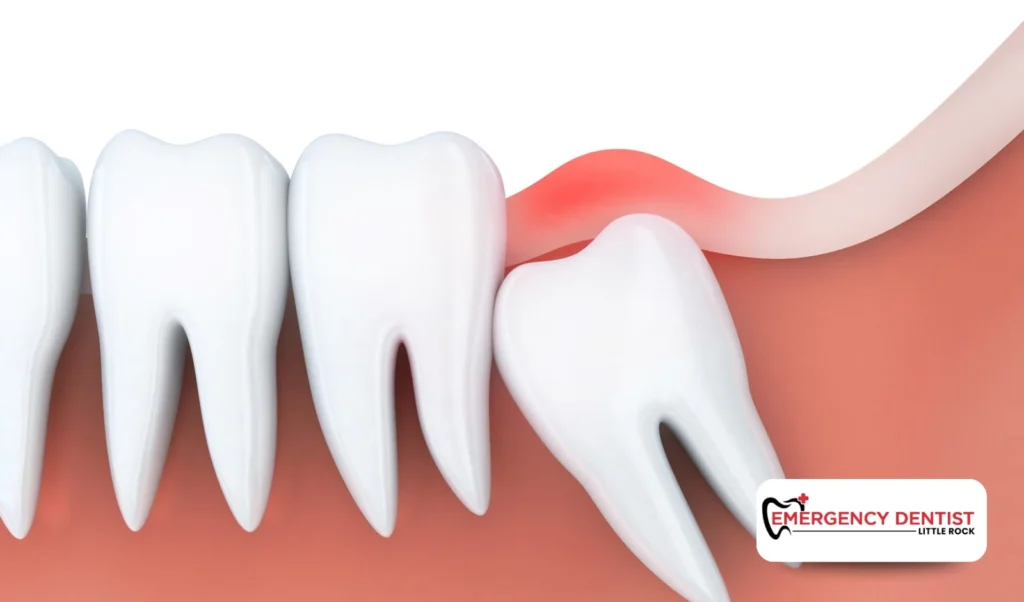
Not every patient requires wisdom tooth removal, but certain concerns make tooth extraction the safest option.
Your dentist or oral surgeon may recommend removing wisdom teeth if you experience:
- Impacted wisdom teeth trapped beneath bone or gum tissue
- Repeated irritation or swelling near back molars
- Difficulty cleaning the area, increasing the risk of gum disease
- Pressure affecting nearby teeth alignment
- Infection, cyst formation, or ongoing discomfort
When these issues occur, oral and maxillofacial surgeons often advise wisdom teeth extraction to protect surrounding teeth and maintain long-term oral health.
What Happens During Wisdom Teeth Extraction
Understanding oral surgery can help reduce anxiety. Many wisdom teeth removal procedures are completed in a single visit.
Before treatment begins, your provider will discuss comfort options. Local anesthesia is commonly used to numb the area, while general anesthesia or sedation may be recommended for relaxation during treatment.
If the tooth has erupted normally, removal may be straightforward. However, impacted wisdom teeth may need to be surgically removed through a small opening in the gums. In some cases, the tooth may be divided into smaller pieces to allow easier removal.
After removing wisdom teeth, the area is cleaned carefully so blood clots can form. These blood clots protect the bone and nerves while new gum tissue begins to heal.
Most patients return home shortly after this routine tooth extraction.
Normal Healing Symptoms After an Extracted Wisdom Tooth
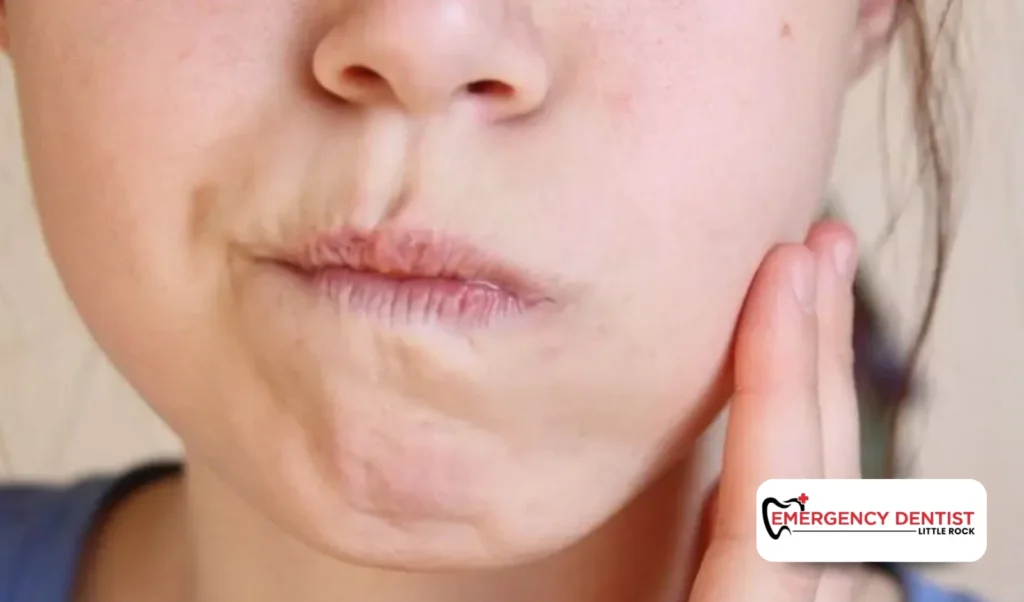
Healing begins immediately following wisdom tooth removal. Mild symptoms are part of the normal recovery process.
You may experience:
- Swelling in the cheeks or jaw
- Light bleeding during the first day
- Tenderness around the extraction site
- Temporary jaw stiffness
Your provider may recommend pain medicine to help manage discomfort. These symptoms typically improve gradually over several days.
Why Blood Clots Are Essential for Recovery
One of the most important parts of healing after tooth extraction is protecting the blood clots that form inside the socket.
Blood clots act as a natural covering that shields the bone and supports tissue repair. If the clot becomes dislodged, dry sockets may occur, causing discomfort and delaying healing.
To protect the area:
- Avoid using straws
- Do not smoke
- Skip forceful rinsing during early healing
Gentle oral care helps maintain stable blood clots and supports recovery.
Comfort Tips for Healing at Home
Many patients ask how to stay comfortable after oral surgery. Simple habits can make a significant difference.
Helpful recovery strategies include:
- Applying an ice pack to reduce swelling during the first day
- Eating soft food like yogurt, soup, smoothies, and mashed vegetables
- Resting and limiting strenuous activity
- Keeping the mouth clean while protecting healing gum tissue
- Drinking water and avoiding crunchy or spicy foods
These steps help protect the surgical site and encourage faster healing.
When to Contact an Emergency Dentist in Little Rock
Most patients heal without complications after wisdom teeth removal, but some symptoms require prompt evaluation.
Contact an Emergency Dentist in Little Rock if you notice:
- Severe swelling affecting breathing or swallowing
- Fever or signs of infection
- Bleeding that does not slow down
- Pain that becomes worse instead of improving
- Persistent bad taste or odor
- Symptoms suggesting dry sockets
Early treatment helps prevent complications and protects overall oral health.
Conclusion
Wisdom tooth extraction is a common procedure, and modern wisdom tooth extraction dentists make the experience easier and more comfortable than many people expect. Understanding the healing process, protecting blood clots, and following simple aftercare steps can help support a smooth recovery.
With proper care, wisdom teeth removal can reduce the risk of infection, prevent crowding, and protect long-term oral health, allowing you to return to your normal routine with confidence.
Your Comfort Matters During Healing
If recovery feels uncertain or symptoms seem unusual, speaking with a dental professional can provide reassurance. A trusted Emergency Dentist in Little Rock can evaluate healing, answer your concerns, and recommend personalized comfort strategies.
Whether your tooth was recently surgically removed or you are preparing for treatment, early guidance can help you feel calm, supported, and confident about healing.
Frequently Asked Questions
I’m really nervous, will I feel pain during wisdom teeth extraction?
Most patients feel pressure rather than pain because local anesthesia or general anesthesia keeps the area comfortable. Mild soreness afterward is normal.
How long should I personally stay on soft food after removing wisdom teeth?
Many patients follow a soft food diet for several days. You can slowly return to regular meals once chewing feels comfortable.
How can I tell if my tooth was surgically removed?
If your tooth was impacted or required an incision, it was likely surgically removed. Your dentist or oral surgeon can confirm the details.