

Healing Tips When Gums Hurt After Tooth Extraction
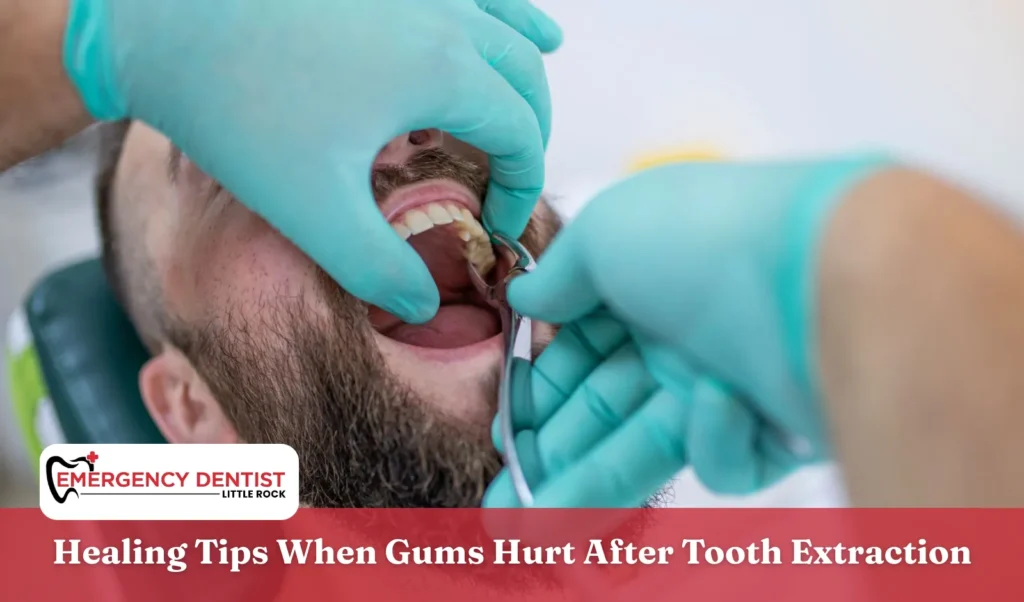
After a tooth removal, many people start to worry when their gums hurt after tooth extraction. Some soreness is totally normal because your mouth is going through a natural healing process, but certain symptoms can signal complications. Understanding what’s expected, and what isn’t, helps you protect your oral health and avoid delays in recovery.
What Happens During the Healing Process
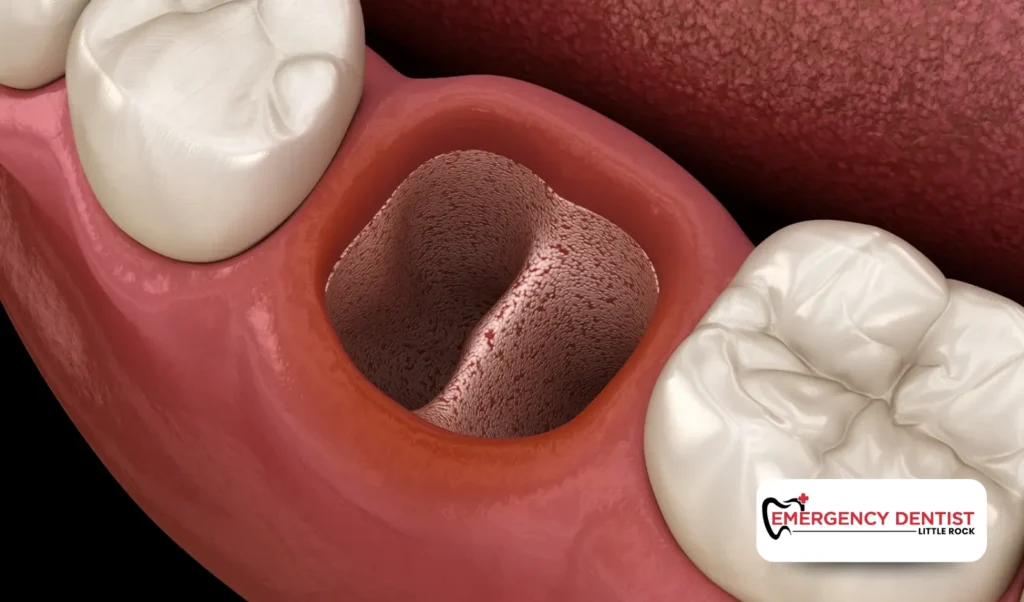
Right after a tooth is taken out, a blood clot forms in the extraction site. This clot covers the extracted area, protecting the bone and nerves underneath. It also creates the base your body needs to rebuild healthy gum tissue.
First 24 hours
During the first day, you may feel tenderness, mild bleeding, and slight swelling in the surrounding gums. The surgical site may be sensitive to touch or temperature changes. It is extremely important not to disturb the blood clot at this time.
At 48 hours
Swelling often peaks around the second day. Some people feel throbbing pain, especially if wisdom teeth were removed. Using a cold compress can help bring down swelling and provide relief.
Several days after surgery
Discomfort usually starts to decrease. Sensitivity may remain as the surrounding gum tissue continues to repair itself. If gum hurt after tooth extraction continues longer than expected or becomes sudden and sharp, you may need to call your dentist.
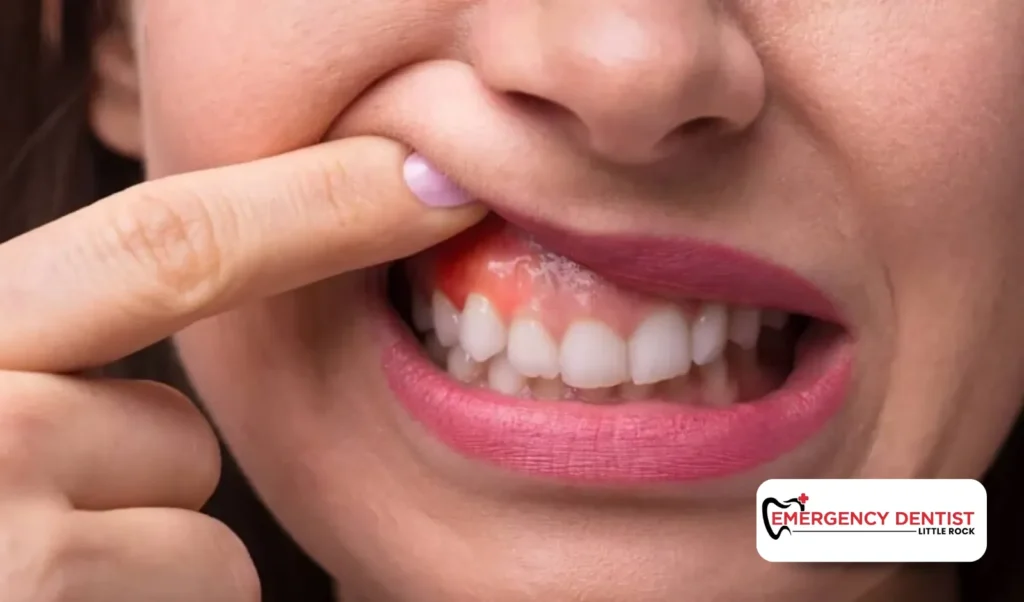
When Gum Pain Is Normal and When It Isn’t
Some discomfort is expected, especially while chewing or brushing near the extracted area. Your gums may feel sore as the healing process continues, and this soreness typically fades each day.
However, certain warning signs should not be ignored. Pay attention if you notice:
- Pain that becomes stronger instead of improving
- An unusual or bad taste in your mouth
- Swelling that increases after the first 48 hours
- Throbbing pain that spreads to the jaw or ear
- A strong odor or persistent bad breath
These may suggest an infection or another complication that requires treatment.
Complications That May Occur After Tooth Removal
Most extractions heal normally, but some people experience problems that slow recovery.
Dry socket
Dry socket develops when the blood clot is lost too soon, exposing the bone. This causes sudden, intense pain that may radiate to the ear or along the jaw. The area may also smell unpleasant.
Signs of infection
Infections can form when bacteria enter the surgical site. Symptoms include:
- Fever
- Redness or swelling around the extraction site
- Pus or drainage
- Increasing pain
- A foul taste in the mouth
If you notice signs of infection, contact an Emergency Dentist in Little Rock right away to avoid worsening symptoms.
How to Care for Gums After Tooth Extraction
Your home-care routine plays a big role in how fast and comfortably you heal. Dentists recommend the following:
1. Use a cold compress
Apply a cold pack to your cheek for 10–15 minutes at a time during the first 24 hours. This reduces swelling and eases soreness.
2. Rinse with salt water
Starting the day after surgery, gently rinse your mouth with warm salt water two to three times a day. This helps keep the extracted area clean without disturbing the blood clot.
3. Maintain good oral hygiene
You should still brush your teeth, but avoid brushing directly over the extraction site. Clean the surrounding teeth gently to keep bacteria levels low.
4. Eat soft foods
Choose foods like mashed potatoes, yogurt, eggs, and smoothies. Soft foods prevent irritation and reduce the chance of disturbing the clot.
5. Avoid smoking
Avoiding smoking is crucial. Smoking slows healing and greatly increases the risk of dry socket.
6. Rest and take it easy
Your body needs energy to heal. Heavy exercise or bending over can increase pain and swelling, so rest as much as possible during the first few days.
7. Pay attention to changes
If something feels off, such as a strong odor, unusual swelling, or worsening discomfort, reach out to your dentist promptly.
These habits support smooth tooth extraction healing and help prevent complications.

Common Side Effects During Recovery
Patients often notice several temporary side effects after tooth removal:
- A mild taste in your mouth
- Low-grade swelling
- Reduced jaw movement
- Slight bad breath
- Sensitivity around the surrounding gums
These should slowly improve as healing progresses. If they worsen instead of improving, it may be time to get the area checked.
When to Contact an Emergency Dentist in Little Rock
You should reach out to an Emergency Dentist in Little Rock if:
- Your gum hurts after tooth extraction longer than a week
- You notice signs of infection
- Throbbing or intense pain develops suddenly
- Swelling becomes severe
- There is persistent discharge or a bad odor
Early treatment prevents bigger issues and ensures the extraction area and gum tissues heal properly.
Conclusion
It’s normal when gum hurts after tooth extraction, especially in the first 24 to 48 hours. Tenderness, swelling, or a strange taste in your mouth often occur as the mouth heals.
However, persistent pain, signs of infection, spreading throbbing pain, bad smells, or worsening swelling should not be ignored. By using a cold compress, rinsing with salt water, practicing gentle oral hygiene, choosing soft foods, and calling your dentist when needed, you can support healthy healing and prevent complications.
If any symptoms become concerning, an Emergency Dentist in Little Rock can evaluate your extraction site, relieve discomfort, and guide your recovery.
Frequently Asked Questions
Why do my gums hurt after tooth extraction?
Mild soreness is normal as your mouth heals, especially in the first 24–48 hours. Pain that worsens may signal dry socket or infection.
How long should gum pain last after extraction?
Most discomfort improves within a few days. If gum pain lasts longer than a week or suddenly becomes more intense, contact your dentist.
When should I see an Emergency Dentist in Little Rock?
Seek help if you notice signs of infection, severe swelling, throbbing pain, or a foul taste that won’t go away.