

Hole in Gums After Wisdom Tooth Extraction: What to Expect
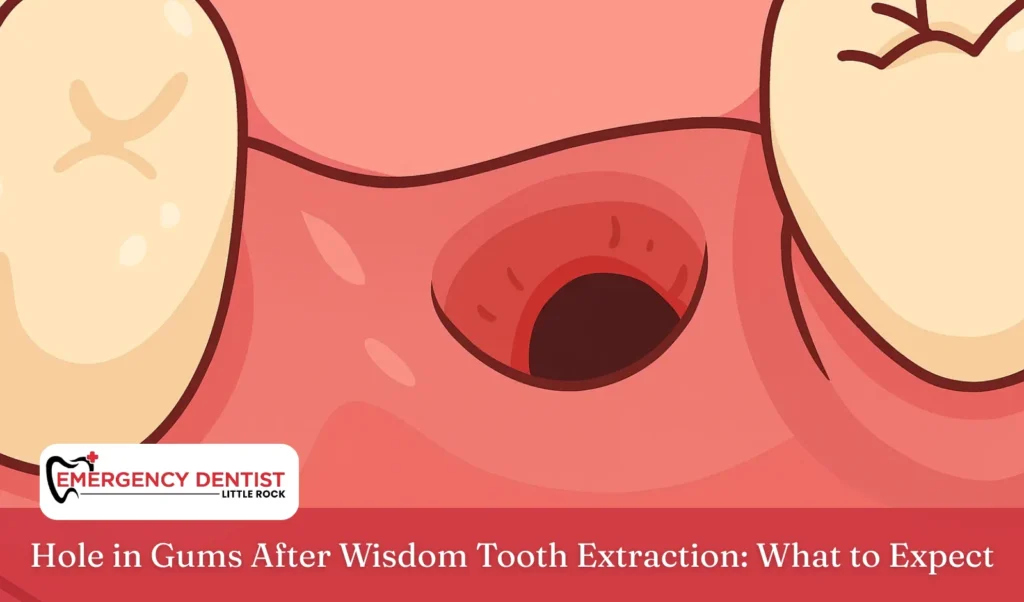
Having your wisdom teeth removed is a very common dental procedure, but many patients feel worried when they notice a hole in their gums after wisdom tooth extraction. These openings, often called extraction sites or sockets, are a normal part of healing. Although they may look concerning at first, they are expected after a tooth is removed and usually heal on their own with proper care.
Understanding why these holes appear, how the healing process works, and what you can do to protect the area can help you recover comfortably and avoid complications. This guide explains what to expect and when to contact an Emergency Dentist in Little Rock.
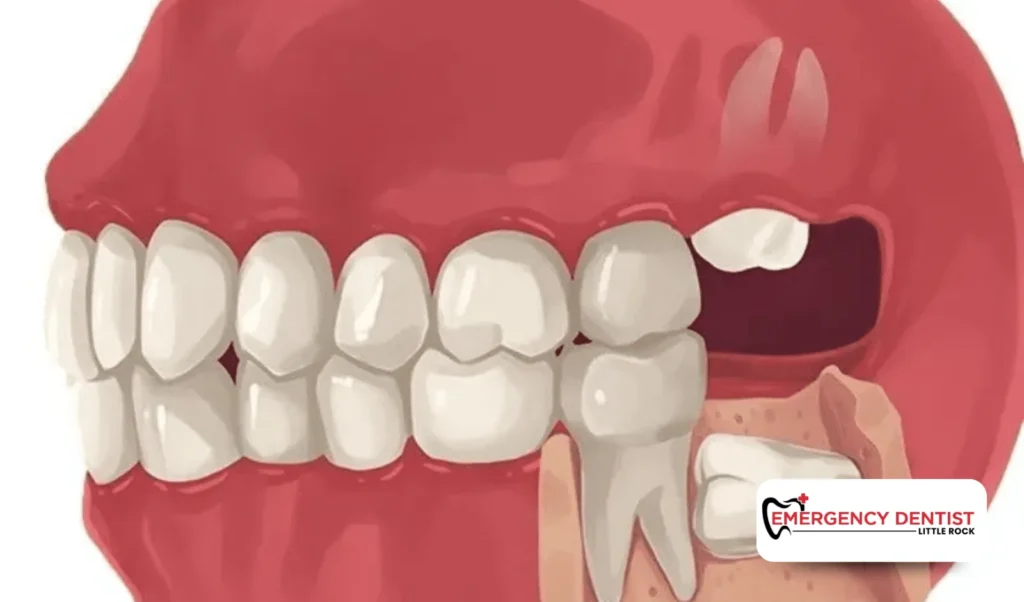
Why Holes Appear After Wisdom Teeth Removal
When wisdom teeth are taken out, the tooth is removed from the jawbone, leaving an empty space behind. This space is known as the extraction site. Depending on how large the tooth was or whether it was impacted, the hole may look deep at first.
The gum tissue does not close immediately. Instead, the body begins repairing the area in stages. Many patients assume that holes in gum after wisdom tooth extraction mean something went wrong, but this is not true. These openings are part of normal healing and simply need time and care.
How the Healing Process Works
The healing process begins right away. Within about 30 minutes of surgery, a blood clot forms inside the extraction site. This clot is extremely important. It protects the bone and nerves underneath and allows new gum tissue to grow.
During the first few days, the area may feel tender as the body works to repair itself. Over the next one to two weeks, the gum tissue slowly moves inward, making the hole smaller. In many cases, visible healing happens within two to three weeks.
However, deeper extraction sites may take several months to fully close beneath the surface. The most important rule during recovery is to avoid dislodging the blood clot, as losing it can slow healing and increase discomfort.
Common Risks While Healing
Most patients recover without problems, but certain issues can happen during healing. One common concern is food getting trapped in the extraction sites. Because the hole is open, small food particles can become stuck and irritate the area.
Another possible complication is dry socket. This happens when the blood clot dissolves or becomes dislodged too early. Without the clot, the bone is exposed, which can cause strong pain, bad breath, or an unpleasant taste.
Infections may also develop if bacteria enter the site. That’s why keeping your mouth clean and following aftercare instructions is essential.

Eating Safely During Recovery
What you eat after surgery plays a big role in healing. Dentists recommend sticking to soft foods for the first several days. Gentle choices include yogurt, mashed potatoes, smoothies, applesauce, and soups that do not require chewing.
Avoid crunchy, hard, or sticky foods, as they can disturb the healing gums or get stuck in the hole. As healing continues, you can slowly add more solid foods back into your diet. Always chew on the opposite side of your mouth until your dentist says it’s safe.
Keeping the Extraction Site Clean
Cleaning your mouth properly helps prevent infection, but you must be gentle. Brushing directly over the extraction site too soon can disturb healing.
Follow these tips:
- After 24 hours, gently rinse your mouth with warm salt water
- Avoid strong swishing, which may loosen the blood clot
- Brush and floss your other teeth as usual to keep your mouth clean
These steps help protect the extraction sites and support healthy healing.
When to Call an Emergency Dentist in Little Rock
While some soreness is normal, certain symptoms should not be ignored. Contact an Emergency Dentist in Little Rock if you notice:
- Severe pain that gets worse instead of better
- Signs of dry socket, such as strong pain or a bad odor
- Swelling, pus, or fever
- Bleeding that does not stop with gentle pressure
- Trouble opening your mouth or swallowing
Prompt treatment can prevent complications and help your mouth heal properly.

Helpful Tips for a Smooth Recovery
Everyone heals at a different pace, but these tips can help promote comfort and recovery:
- Rest and avoid heavy activity for the first couple of days
- Stay hydrated and eat soft foods
- Rinse gently with warm salt water after meals
- Do not smoke, use straws, or poke the area with your tongue
Following these steps helps protect the blood clot and allows gum tissue to heal naturally.
Final Thoughts
Seeing a hole in gums after wisdom tooth extraction can feel unsettling, but it is a normal part of healing. As long as the blood clot stays in place and the area is kept clean, most extraction sites heal without trouble.
By following aftercare instructions, choosing soft foods, and watching for warning signs, you can avoid issues like dry socket and infection. If anything feels unusual, an Emergency Dentist in Little Rock can provide quick care and peace of mind.
With patience and proper oral hygiene, your gums will heal, and you can get back to a healthy, comfortable smile.
Frequently Asked Questions
How long does a hole in the gums take to close after wisdom tooth extraction?
Most holes in the gums start to shrink within 1–2 weeks. Deeper extraction sites may take several months to fully heal beneath the surface.
Is it normal to see a hole after wisdom teeth are removed?
Yes. A hole in gums after wisdom tooth extraction is completely normal. It’s part of the healing process after the tooth is removed from the jawbone.
What causes dry socket after wisdom tooth removal?
Dry socket happens when the blood clot is dislodged too early. This can occur from smoking, using straws, or aggressive rinsing.
When should I call an Emergency Dentist in Little Rock?
Contact an Emergency Dentist in Little Rock if you have worsening pain, foul odor, swelling, pus, or bleeding that doesn’t stop. These may be signs of infection or dry socket.
Can I eat normally after wisdom tooth extraction?
For the first few days, it’s best to stick to soft foods like yogurt, mashed potatoes, and smoothies. Avoid hard, crunchy, or sticky foods that could disturb the extraction sites.
How can I reduce the risk of infection after wisdom tooth extraction?
Good oral hygiene is key. Rinse gently with warm salt water after meals, brush your other teeth carefully, and avoid touching the extraction site to prevent infection.