

How Long Does a Root Canal Procedure Take? Easy Guide

Root canal therapy is a common dental procedure used to save a severely damaged or infected tooth. Many patients ask, “How long does a root canal take?” The answer depends on several important factors, including the type of tooth, how complex the infection is, and whether the procedure is performed by a dentist or endodontist. If you’re experiencing strong tooth pain, getting care quickly is essential for protecting your oral health and preventing complications.
Why Root Canal Treatment Is Required
A root canal becomes necessary when the dental pulp, the soft tissue inside the tooth that contains nerves, blood vessels, and connective tissue, becomes infected or inflamed. This happens most often because of untreated cavities, cracks, injuries, or deep decay. Once the infected pulp becomes irritated, the tooth cannot heal on its own.
If the infection is ignored, bacteria may spread beyond the tooth and cause swelling, bone damage, or an abscess. In more serious cases, extraction may be required. Root canal treatment removes the infected tissue and saves your natural tooth, which helps maintain normal biting or chewing, jaw alignment, and long-term dental health.
How Long Does a Root Canal Take?
One of the biggest concerns patients have is how long a root canal takes. On average, a root canal procedure takes about 90 minutes. Simple cases, especially those involving incisors or canines, can sometimes be treated during a single appointment. These teeth typically have one canal, making the process shorter.
More complex teeth, such as molars, often require more time because they may have three or more canals. These cases may need two visits, depending on how severe the infection is. Questions such as how long does it take to do a root canal, how long does a root canal procedure take, and how long does it take for a root canal all depend on the same factors: tooth structure, the level of infection, and the experience of the dentist or endodontist.
Step-by-Step Root Canal Procedure
Here is a simple look at what happens during a root canal procedure:
- Numbing the Area
Your provider begins by applying local anesthesia to numb the area completely. This ensures that the procedure is comfortable and you don’t feel tooth pain during treatment.
- Accessing the Dental Pulp
After numbing, a small opening is made on the top of the tooth to reach the infected pulp. This step allows the provider to examine the root canals clearly.
- Cleaning and Shaping the Root Canals
Using specialized tools, the dentist or endodontist removes the infected pulp and cleans the canals thoroughly. The canals are shaped so they can be sealed properly. This part of the procedure is important for preventing bacteria from returning.
- Filling the Canals
Once cleaned, the root canals are filled with a biocompatible material that seals them tightly. This protects the tooth from reinfection.
- Temporary Filling or Crown
A temporary filling is placed to close the opening. Most teeth that undergo root canal therapy need a dental crown to restore strength, especially if the tooth is used heavily for biting or chewing.
How Long Does a Root Canal Take to Heal?
Patients often ask how long a root canal takes to heal. While most people return to normal activities within 24 hours, the healing process for the surrounding tissue may take a few days. Temporary sensitivity, especially when biting or chewing, is normal. Over-the-counter pain relief can help manage this.
Root canal recovery varies from person to person. If discomfort worsens or lasts longer than expected, it’s best to contact your dentist for further guidance.
What Influences the Total Procedure Time?
The answer to how long does a root canal take depends on several elements:
Tooth Type
Front teeth have fewer canals and take less time. Molars have more canals, which means more cleaning and shaping.
Level of Infection
A tooth with severe infection or swelling may require more than one appointment.
Experience of the Provider
A specialist may complete the procedure faster due to advanced training.
Need for Extra Procedures
If additional treatment is needed, such as removing an old filling or dealing with complex tooth anatomy, it may lengthen the total time.
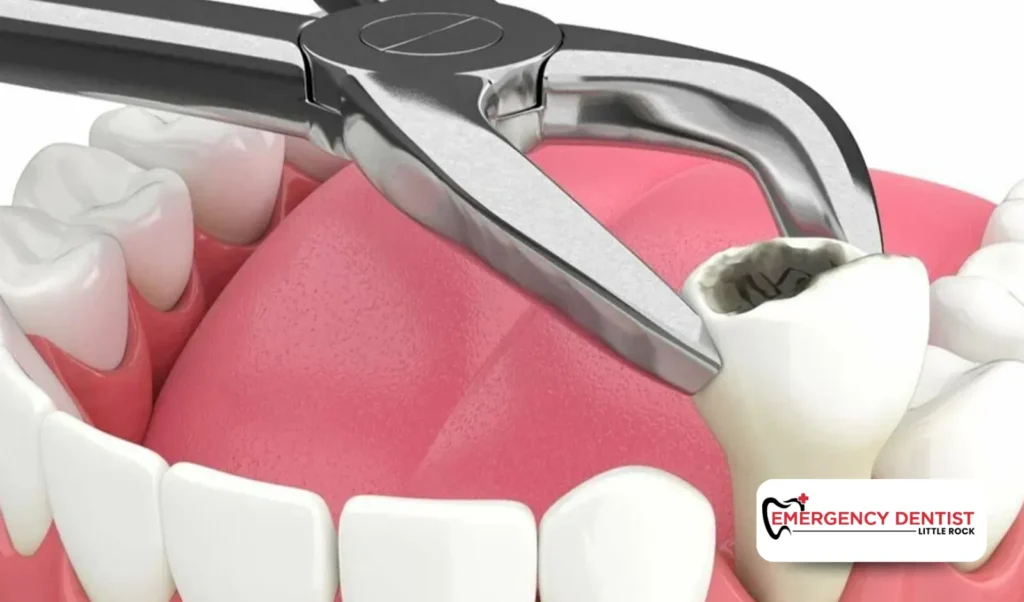
What Happens if You Avoid Treatment?
Waiting too long can cause several serious dental health issues:
- Increased or severe tooth pain
- Swelling in the face or gums
- Bone loss near the root
- Formation of an abscess
- Possible need for tooth extraction
Ignoring an infected pulp can also affect your overall well-being. Early root canal therapy is the best way to save your natural tooth and avoid more invasive procedures later.
Helpful Tips for Root Canal Recovery
To encourage a smooth healing process after your root canal, follow these important tips:
- Follow all instructions from your dentist or endodontist.
- Use prescribed or recommended pain relievers if needed.
- Avoid chewing on the treated tooth until the crown is placed.
- Keep up with good oral hygiene habits to protect your dental health.
- Maintain regular checkups to ensure proper healing.
- Contact your dentist right away if swelling or pain becomes worse.
Most patients find that root canal recovery is easier than expected, especially when they take the right steps during healing.
When to Contact an Emergency Dentist in Little Rock
Seek immediate care if you notice any of the following and reach out to an Emergency Dentist in Little Rock right away:
- Increasing or severe tooth pain
- Significant gum or facial swelling
- A fever or signs of infection
- A broken or loose temporary filling or crown
Quick attention prevents complications and supports the healing process.
Conclusion
Understanding how long a root canal takes, how long it takes to do a root canal, and how long does a root canal take to heal can make the entire experience less stressful. Root canal therapy is a common dental procedure designed to remove infected pulp, restore comfort, and save your natural tooth. From numbing the area with local anesthesia to placing a temporary filling, every step supports your long-term dental health.
If you’re dealing with tooth pain or think your dental pulp may be infected, don’t wait. Contact an Emergency Dentist in Little Rock for prompt care. Acting early helps ensure a smoother healing process and long-lasting oral health.