

How Much Are Dental X-Rays? Cost, Types & Safety Explained

Dental care involves more than regular dental visits and daily brushing. Many dental issues start beneath the surface, where they can’t be seen during a standard visual exam. This is why dental imaging is such an important part of preventive dental care.
Dental x-rays allow dentists to examine areas inside the teeth, jawbone, and surrounding structures so they can identify hidden dental problems early. Whether you’re visiting for a routine dental exam or seeking urgent help from an Emergency Dentist in Little Rock, dental x-rays play a major role in protecting your long-term oral health.
What Are Dental X-Rays?
Dental x-rays are diagnostic tools that provide images of the internal parts of your mouth. While a dentist can see tooth surfaces and gums during a regular dental appointment, x-rays reveal what’s happening underneath. They can show cavities between teeth, root infections, impacted wisdom teeth, bone changes, and other dental issues that may not yet be causing symptoms. Without this type of x ray, many concerns could remain undetected until they become painful or complex to treat.
How Much Are Dental X-Rays
Patients often search how much are dental xrays, how much does a dental xray cost, or how much is a dental xray. The truth is that dental x rays cost varies depending on several factors, including:
- The type of x ray taken (bitewing x rays, panoramic x rays, or 3D imaging)
- The technology used by the dental offices
- Whether the imaging is part of regular dental care or an urgent visit
- Your insurance plan and coverage limits
- The cost of dental services at each specific dental practice
For example, a small set of intraoral images may have a different cost compared to a panoramic scan or advanced 3D imaging often required during orthodontic treatment or implant planning. While many people ask how much dental xrays cost, it’s essential to focus on their value. Dental x-rays help dentists detect dental problems early, develop accurate treatment plans, and prevent more serious dental issues that could require expensive procedures later on.
How Often Dental X-Rays Are Needed
Another common question is how often dental xrays should be taken. The frequency depends on several personal factors:
- Your age
- Your overall oral health
- Your history of dental problems
- Your risk for tooth decay or gum disease
- The dental procedures you may need
Children often need x-rays more frequently because their teeth and jaws are still developing. Adults with healthy mouths may not need x-rays as often, while those with ongoing dental issues may require them more regularly. Your dentist will customize a schedule so you receive the safest and most appropriate level of dental imaging.
Types of Dental X-Rays
There are different types of dental x-rays, each designed for a specific purpose. Understanding these types helps you see why your dentist may choose one over another.
Intraoral X-Rays
These are taken inside the mouth and are the most detailed images of individual teeth.
Bitewing x rays
These capture the crowns of the upper and lower teeth and help detect cavities between teeth or early bone loss.
Periapical x-rays
These images show the entire tooth—from crown to root—and help identify abscesses, bone changes, or severe dental issues.
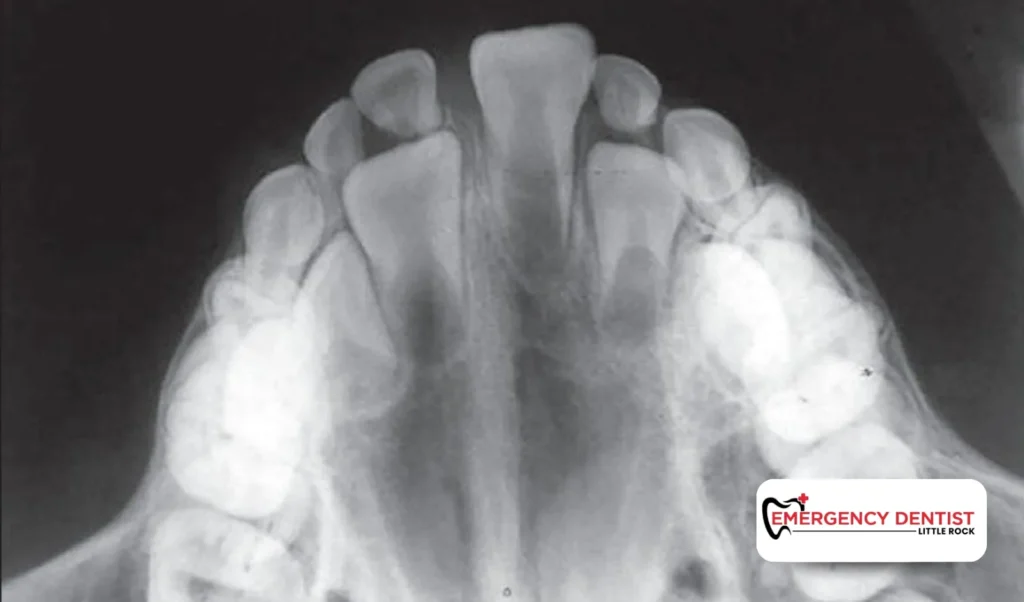
Occlusal x-rays
These larger images display broad areas of the upper or lower jaw and are commonly used for children or complex evaluations.
Extraoral X-Rays
These are taken outside the mouth and show the overall structure of the teeth and jaws.
Panoramic x rays
A panoramic scan captures the entire mouth in a single image and is often used for orthodontic treatment, wisdom tooth evaluations, and detecting hidden dental problems.
Cephalometric x-rays
These measure the relationship between the teeth and jaw structure and are commonly used in orthodontic planning.
3D imaging (CBCT scans)
This advanced technology provides extremely detailed three-dimensional images of the teeth and jawbone. It’s often used for dental implants, root evaluations, and other complex dental procedures.
Why the Different X-Ray Types Matter
Dentists choose the appropriate imaging method based on your dental needs. Bitewing x rays are ideal for detecting early decay, while panoramic x rays provide a broad view for orthodontic treatment or oral surgery planning. Meanwhile, 3D imaging offers highly accurate details for procedures like implant placement. Selecting the right type of x ray ensures that treatment plans are precise, safe, and customized for each patient.
Are Dental X-Rays Safe?
Some patients worry about exposure, but modern dental imaging is extremely safe. Today’s digital technology uses very low levels of radiation. Dentists also use protective tools, such as a lead apron and thyroid collar, to reduce exposure even further. The small amount of radiation involved is far outweighed by the benefits of catching dental issues early. Compared to older film-based x-rays, digital x-rays are quicker, more comfortable, and significantly safer.
How Dental X-Rays Support Treatment Planning
Dental x-rays are essential diagnostic tools that help dentists:
- Identify decay between teeth
- Detect infections requiring root canal therapy
- Measure bone height for gum disease monitoring
- Plan orthodontic treatment
- Evaluate wisdom tooth positions
- Assess bone levels before dental implants
Without imaging, dentists would miss many early signs of dental problems. X-rays ensure that your treatment plan is based on complete and accurate information.
Why Dentists Can't Rely on the Naked Eye Alone
Even the most skilled dentist cannot see everything inside your mouth without imaging. Cavities between teeth, root infections, impacted teeth, and early bone loss are invisible to the naked eye. That’s why dental exams usually include imaging, it allows for a full and accurate assessment of your oral health.

Emergency Dentist in Little Rock
Sometimes dental x-rays are needed urgently, not just during regular dental visits. If you break a tooth in an accident, experience sudden swelling, or feel severe pain, an Emergency Dentist in Little Rock may need immediate imaging to locate the problem. Quick access to bitewing, extraoral x rays, or periapical x-rays allows the dentist to diagnose the issue and provide same-day care. Fast imaging can often determine whether a tooth can be saved.
Conclusion
Dental x-rays are a key part of modern dental care and help dentists detect problems early, plan effective treatments, and prevent serious dental issues. Whether you’re preparing for orthodontic treatment, checking for hidden decay, or visiting an Emergency Dentist in Little Rock, x-rays provide essential information for accurate and preventive dental care. While patients may ask how much are dental xrays or compare dental x rays cost across dental offices, the real value lies in their ability to protect long-term oral health.