
How Much Does Emergency Dental Cost? A Helpful Overview
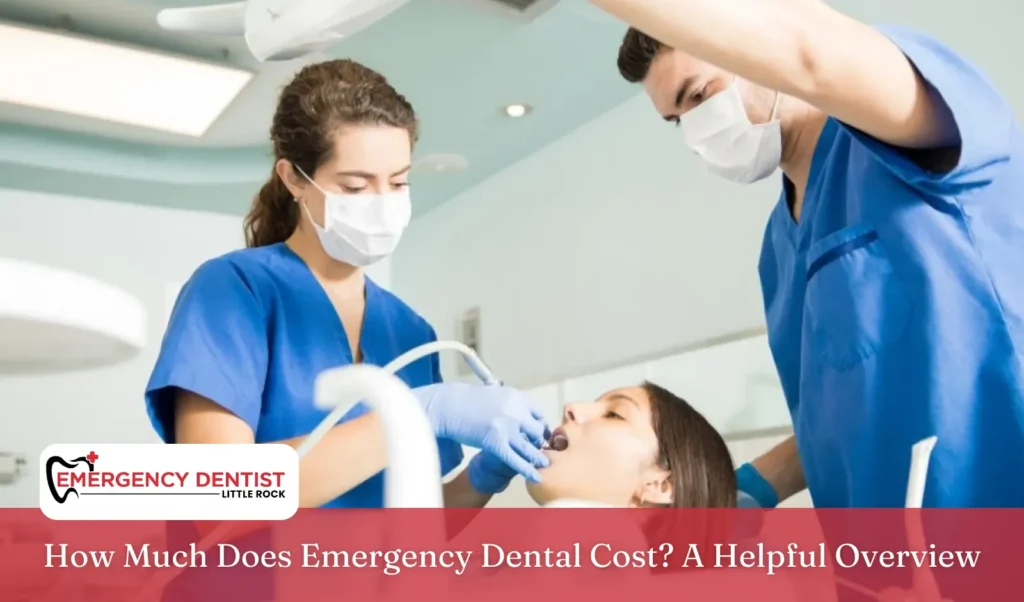
When a sudden tooth problem appears, one of the first concerns many people have is financial. It’s common to wonder, how much does emergency dental cost, or even do emergency dental appointments cost more than regular visits. These questions make sense, unexpected dental emergencies create stress not only about your comfort but also about your oral health and treatment expenses. Understanding what affects emergency dental care costs can help you prepare and make confident decisions during an urgent situation.
Why Emergency Dental Care Matters
An emergency dental visit is very different from a routine checkup. Instead of scheduled cleanings or planned treatments, emergency care requires fast attention, specialized assessments, and sometimes even treatment outside regular office hours. Because of this, many patients ask, does emergency dental cost more, or do dental emergencies cost more than typical procedures?
While emergency dentistry costs vary, the most important thing is getting help quickly. Delaying treatment can make a minor problem more serious and long term, sometimes requiring more complex or costly procedures later. Protecting your oral health should be the top priority.
What Influences the Cost of Emergency Dental Appointments?
Several key factors determine the cost of emergency dental care. Knowing these can help you understand what to expect before arriving at the dental office.
- Type of dental emergency
Costs differ depending on the type of problem.
For example:
- Knocked out teeth or a single knocked out tooth require immediate care and careful handling.
- A dental abscess involves infection and may require medication or drainage.
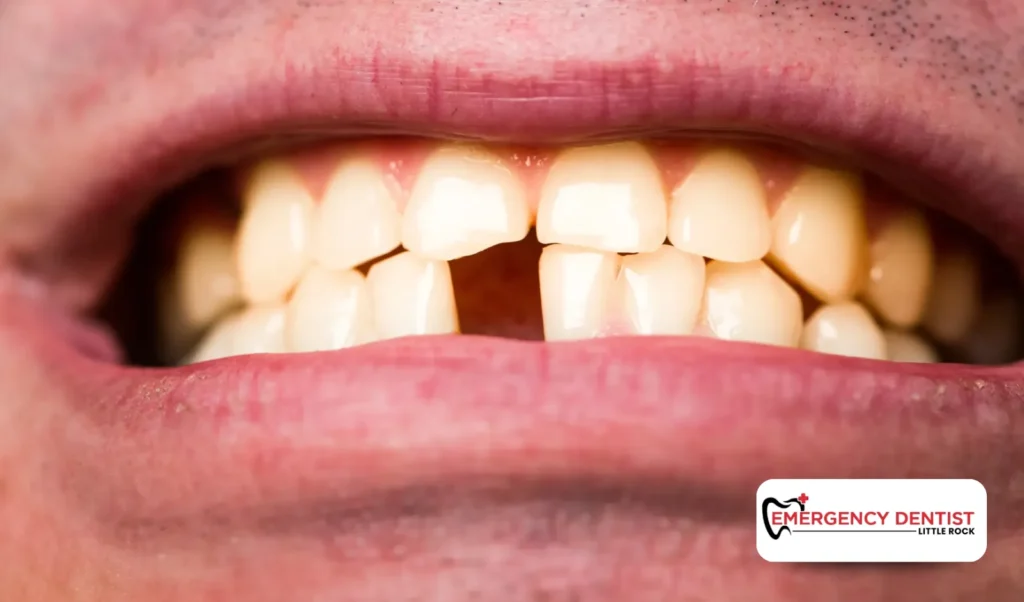
- A broken tooth could need smoothing, bonding, or dental crowns.
More complicated emergencies often require more advanced emergency dental procedures, which affects pricing.
- Type of treatment needed
Some emergencies only need a quick exam, while others require advanced care.
Here are a few examples:
- Same-day dental crowns
- Treatment for infection
- A surgical tooth extraction
- Medication or follow-up hospital-grade care
Each treatment step varies in time, materials, and complexity.
- Insurance coverage
Insurance plans vary widely. Some may fully cover emergency exams but not restorative services like dental crowns. Others may cover part of the procedure but not visits outside regular office hours. Understanding your policy can help reduce stress during emergencies.
- Timing of the visit
Emergency visits after hours or during holidays may involve additional fees. The added cost reflects the need for urgent care outside normal operating times.
- Dentist’s experience
A dental professional with extensive emergency experience may charge differently based on training level, techniques used, or specialized equipment. Experience contributes to faster, more accurate treatment, especially in urgent care situations.
Common Dental Emergencies and Their Cost Considerations
Not all emergencies are the same. Here are a few examples of problems that influence emergency dentistry costs:
- Knocked Out Tooth
This is one of the most urgent dental emergencies. Immediate care gives the best chance of saving the tooth. Waiting even a short time reduces success and may lead to long-term complications.
- Dental Abscess
A dental abscess is a serious infection. Without treatment, an infection can spread to other parts of the body. Care may involve antibiotics, drainage, or follow-up treatment.
- Broken Tooth
A broken tooth may require smoothing, bonding, or a crown. A quick fix may cost less, but delaying care can increase the severity of the damage.
- Severe pain or swelling
These symptoms should never be ignored. They can signal deeper problems that require urgent evaluation to prevent a more complicated or expensive outcome.
How Emergency Dental Costs Are Structured
Emergency dental care doesn’t have a set cost. While a basic exam may be quick, more serious emergencies need extra time, more steps, and greater resources.
For example:
- A minor chip may need only simple smoothing.
- A cracked or infected tooth may require a crown or extraction.
- A knocked-out tooth needs immediate, specialized care.
Emergency dental care varies because each problem demands different tools, skills, and time. Prompt treatment also plays a major role. Getting help early can reduce the need for extensive treatment later and protect your long-term oral health.

Insurance and Emergency Dentistry Costs
When thinking about how much emergency dental costs, insurance is an important factor. Some plans:
- Cover emergency exams
- Cover part of urgent treatments
- Exclude after-hours appointments
- Offer limited benefits for emergency procedures
Knowing what your plan includes before you need it can help you act quickly during a dental emergency.
Protecting Your Oral Health by Acting Fast
Beyond financial concerns, your oral health is the main priority. Dental issues such as infections, fractures, swelling, and severe pain can get worse quickly. Seeking help early lowers the risks of complications and may prevent the need for advanced care later.
Where to Get Emergency Dental Care in Little Rock
If you are experiencing sudden tooth pain, a broken tooth, swelling, or trauma, an Emergency Dentist in Little Rock can provide the urgent care you need. A trained dental professional can evaluate the situation, relieve your pain, and recommend the right treatment to restore your oral health.
Conclusion
So, do emergency dental appointments cost more? The answer depends on your situation. The type of emergency, treatment needed, and your insurance all influence the final cost. What matters most is acting quickly. Delays can make problems worse and lead to more complex care.
If you need immediate assistance, an Emergency Dentist in Little Rock can provide fast, reliable treatment to protect your smile and give you peace of mind.