

Root Canal Pain Relief: When to Call a Dentist
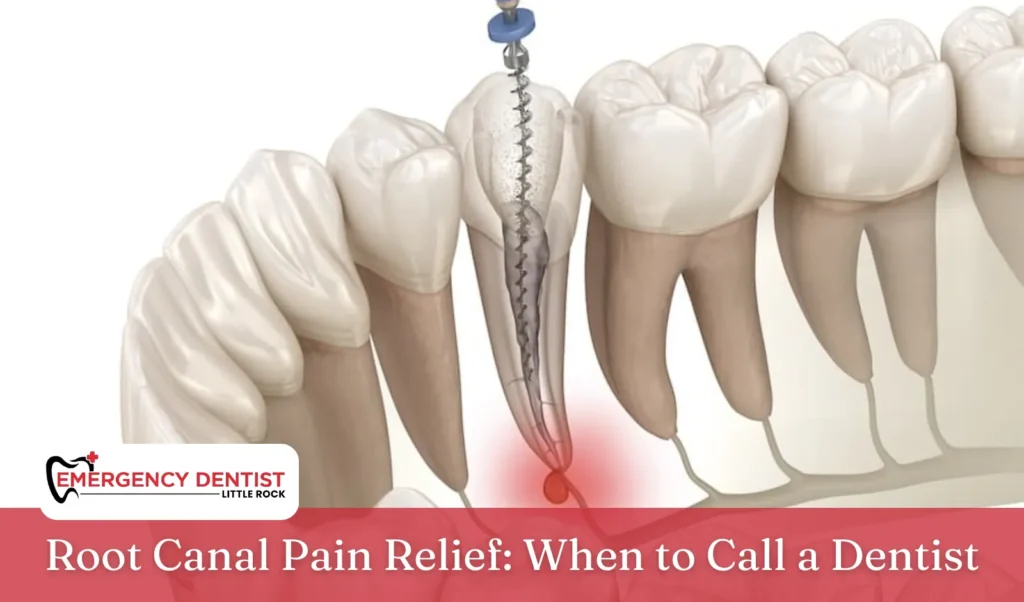
Root canal therapy is a common and effective way to save an affected tooth that has been damaged by deep decay, infection, or injury. Although the procedure is designed to stop pain, some patients experience pain after root canal treatment, which can feel concerning.
While mild discomfort is a normal part of recovery, symptoms like tooth pain after root canal when biting or extreme pain after root canal may indicate a complication that needs attention. In this blog, we’ll explain what causes root canal pain after treatment, how to achieve proper root canal pain relief, and when to seek help from an Emergency Dentist in Little Rock.
What to Expect After Root Canal Procedures
During root canal procedures, local anesthesia is used to numb the treated area, making the process comfortable and pain free. The dentist removes the infected pulp, performs cleaning and disinfecting, and seals the treated tooth with a filling or crown. Some level of pain after a root canal, such as mild soreness, gum pain after root canal, or pressure pain on root canal tooth, is normal and usually improves within a few days.
You may notice:
- Pain in a root canaled tooth
- Painful jaw after root canal
- Tooth pain after root canal when biting
- Root canal toothache pain
These symptoms usually fade with rest, time, and counter pain relievers.
Common Causes of Root Canal Pain After Treatment
Understanding the source of pain following root canal therapy helps determine whether it’s part of normal healing or a sign of infection.
- Tissue Inflammation
The cleaning process may irritate surrounding tissues, leading to pain following root canal. This is typically temporary and manageable.
- High Filling or Crown
If the filling or crown sits too high, it may cause tooth pain after root canal when biting or sensitivity while chewing.
- Signs of Infection
Persistent or unbearable pain after root canal may indicate that an infection remains. Swelling, throbbing pain, or fever can be warning signs.
- Cracks in the Affected Tooth
A cracked or weakened tooth allows bacteria to enter, causing severe pain after root canal or pain after root canal in jaw areas.
Types of Pain After a Root Canal
Different types of discomfort signal different causes:
- Mild sensitivity: Often improves within days and is common.
- Pain in tooth after root canal when biting: May result from bite misalignment or inflamed tissue.
- Extreme pain after root canal: Could indicate infection or improper sealing.
- Pain after root canal in jaw: Often due to prolonged mouth opening, stress, or muscle strain.
Not all pain after root canal therapy comes from the tooth itself. Sometimes dental pain after root canal may radiate to the jaw, face, or gums. If this persists, it may require bite adjustments or further evaluation.

Root Canal Pain Relief and At-Home Care
Proper pain management helps reduce discomfort and supports healing.
- Use Pain Medication
Ibuprofen or acetaminophen can reduce inflammation and pain after root canal.
- Apply Cold Compresses
Cold packs help reduce swelling and soothe the treated area.
- Avoids Chewing on the Treated Tooth
Avoid chewing hard foods to protect the treated tooth and crown.
- Stick to Soft Foods
Foods like yogurt, mashed potatoes, and soup are gentle on the filling or crown.
- Practice Good Oral Hygiene
Brushing and flossing gently promotes healing and helps prevent new infections.
Using these pain management methods can help reduce inflammation, protect the treated tooth, and support healing.
When to Seek Professional Help
Some discomfort is expected, but certain symptoms should be taken seriously. Contact an Emergency Dentist in Little Rock if you experience:
- Unbearable pain after root canal
- Pain after a root canal that does not improve
- Severe pain after root canal with swelling in the jaw or face
- Fever, chills, or signs of infection
- Pain in tooth after root canal that radiates or worsens
You may need root canal retreatment, additional cleaning and disinfecting, antibiotics, or in rare cases, tooth extraction if the infection spreads.
Preventing Future Root Canal Tooth Pain
To help prevent pain following root canal treatment:
- Keep regular dental care visits
- Practice good oral hygiene with brushing and flossing
- Use fluoride toothpaste to strengthen enamel
- Avoid chewing hard items like ice or pens
- Wear a nightguard if you grind your teeth
These steps help protect your treated tooth and reduce the chance of pain after root canal therapy.
Conclusion
Pain after root canal treatment is often a normal part of healing, especially when it is mild and improves over time. However, persistent, severe, or radiating pain should not be ignored. Knowing the signs, practicing good pain management, and seeking timely dental care can make a big difference in your recovery.
If you’re experiencing root canal and pain after treatment that feels unusual, contact an Emergency Dentist in Little Rock for proper evaluation and care. With expert support and proper attention, you can protect your smile and enjoy lasting relief.