

Sports With the Highest Rate of Dental Injuries: A Guide
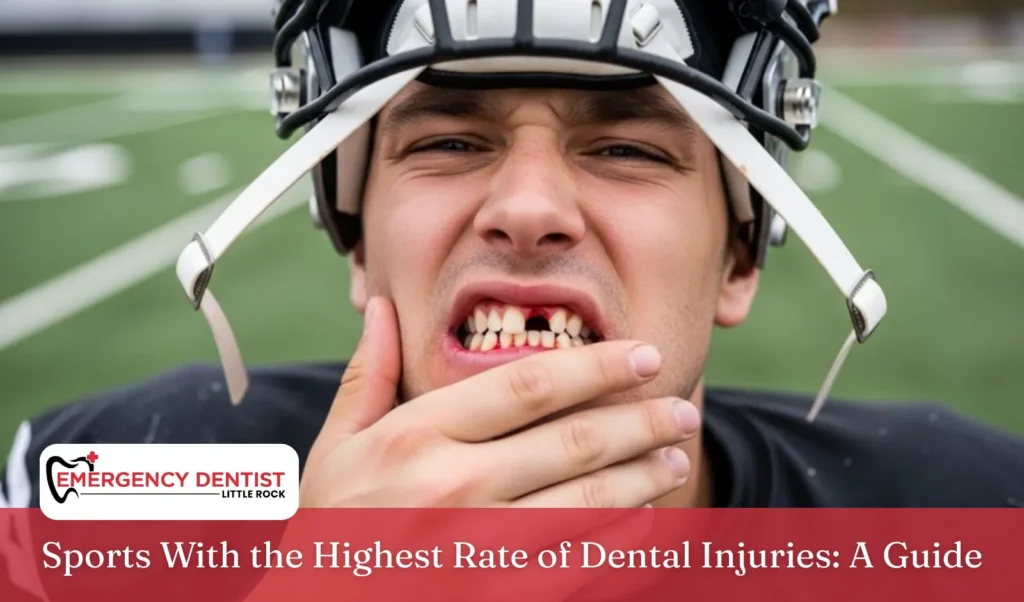
Playing sports is an excellent way to stay active, competitive, and healthy, but it also comes with the risk of injury. Among these, sports-related dental injury is one of the most common and often overlooked. Across the United States, thousands of athletes experience dental trauma each year, from minor soft tissue injuries to severe orofacial injuries and tooth fractures.
Understanding which sport has a higher rate of dental injuries can help athletes and parents take precautions to reduce the risk and protect their teeth. In this quick guide, we’ll explore which contact sports lead to the most dental problems, how mouth guards and custom mouthguards can prevent them, and what to do if a dental emergency occurs. If an injury happens, an Emergency Dentist in Little Rock can provide immediate care to help save your smile.
Understanding Sports-Related Dental Injuries
A sports-related dental injury happens when a player suffers damage to the teeth, gums, or mouth during physical activity. These injuries range from minor to severe and may include:
- Tooth fractures or chipped enamel
- Soft tissue injuries to the lips, tongue, or cheeks
- Crown fractures or cracked teeth
- Tooth avulsion (knocked-out teeth)
These oral injuries are most common in contact sports, where players often collide at high speeds. Without proper protective gear, such injuries can lead to long-term complications, requiring emergency dental care or restorative procedures to save permanent teeth.
Which Sports Have the Highest Rate of Dental Injuries?

Across the United States, contact sports consistently show the highest rate of dental injury in sport. Research supported by American Dental associations indicates that athletes in football, basketball, hockey, and boxing face the most risk for dental trauma.
- Basketball: One of the top causes of orofacial injury. Because mouthguards aren’t required, accidental elbows, balls, and falls often lead to tooth fractures or soft tissue injuries.
- Football: Helmets provide head protection, but players still experience dental trauma and oral injuries from tackles and collisions.
- Ice Hockey: Pucks, sticks, and high contact levels cause frequent crown fractures and tooth avulsion.
- Boxing: Perhaps the sport most associated with dental injury in sport, boxers experience repeated blows to the mouth, leading to lost or fractured teeth.
- Field Hockey: The combination of hard sticks, fast balls, and close contact makes it another high-risk sport for dental injuries.
Even non-contact sports, like soccer or gymnastics, can cause oral injuries when protective equipment isn’t used.
Why Contact Sports Pose Greater Dental Risks
Contact sports involve speed, strength, and frequent physical interaction, the perfect mix for dental trauma. A single impact from a puck, elbow, or stick can easily damage permanent teeth.
Children and teens are especially vulnerable. In sport dentistry, young athletes often present with chipped or fractured teeth after playing sports without adequate protective gear. Early prevention and custom fitted mouthguards can make a lasting difference in keeping their smiles healthy.
The Role of Mouth Guards in Preventing Dental Injuries
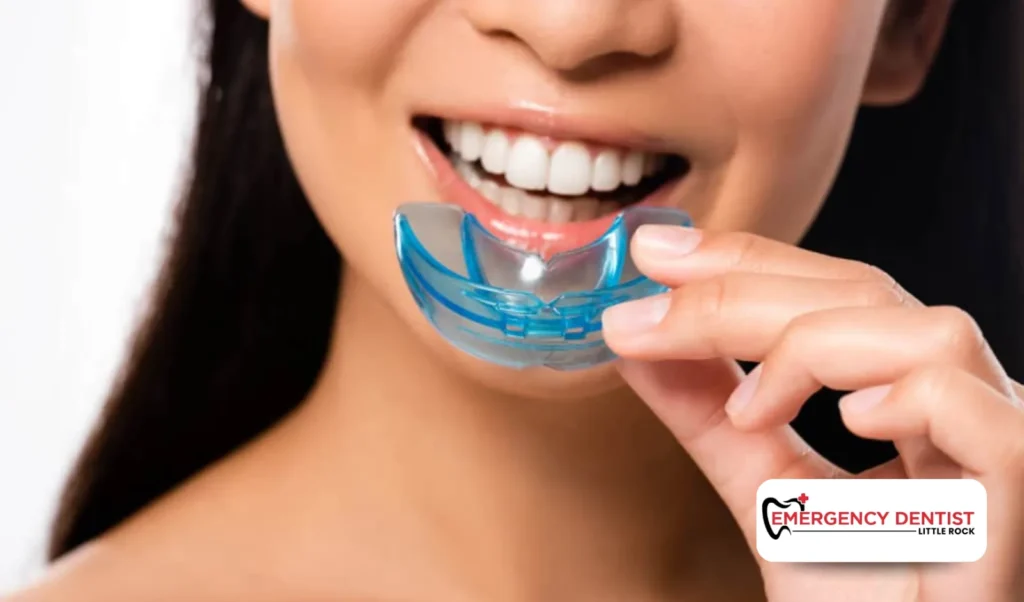
One of the simplest and most effective ways to reduce the risk of a common dental injury is by using mouth guards. These protective devices absorb impact and prevent tooth fractures, soft tissue injuries, and orofacial injury during sports.
The three main types include:
- Boil and Bite Mouthguards: Easily available but often poorly fitting.
- Custom Fitted Mouthguards: Made by a dentist for a snug, secure fit that ensures maximum protection.
- Custom Mouthguards for Athletes: Designed specifically for performance, these provide durability and comfort while allowing easy breathing and communication.
According to the American Dental Association, athletes who use custom fit mouthguards are far less likely to experience dental trauma or tooth avulsion.
Why Custom Mouthguards Offer Superior Protection
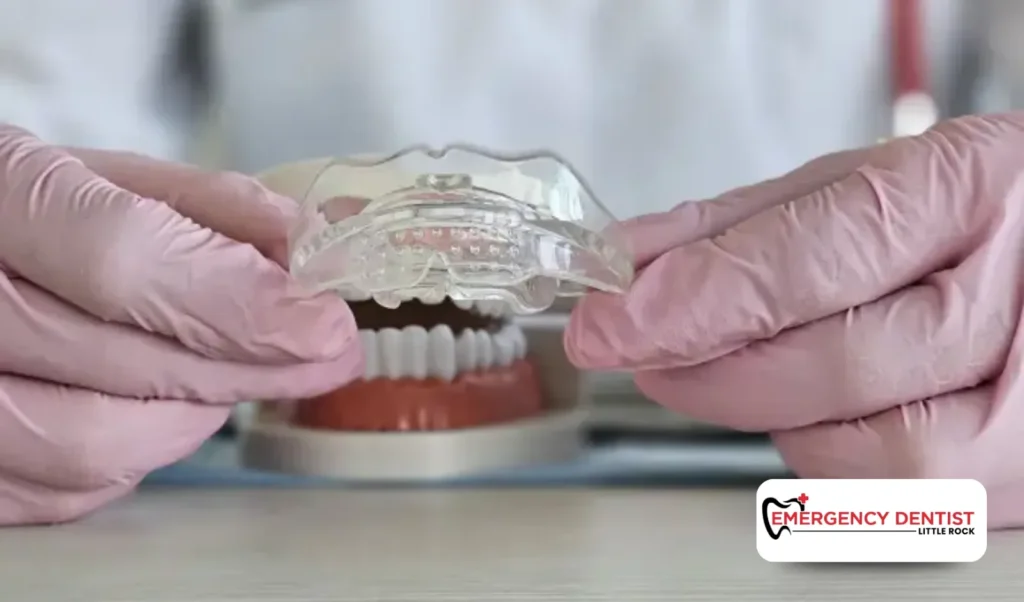
Wearing a custom mouthguard provides the best defense against dental injuries. Unlike store-bought models, these guards are tailored to the athlete’s bite and made with high-quality materials for long-lasting use.
In sport dentistry, custom fitted mouthguards are considered essential protective equipment. They help:
- Prevent tooth fractures and knocked out teeth
- Minimize soft tissue injuries
- Absorb shock from high-impact contact
- Protect permanent teeth during sports
Athletes should replace their mouthguard regularly, especially after heavy use or visible wear, to maintain its protective quality.
Preventing Dental Injuries While Playing Sports
Here are practical ways to reduce the risk of dental trauma in sports:
- Always wear proper protective gear (helmets, masks, mouthguards).
- Get custom mouthguards made by your dentist.
- Attend regular dental exams for monitoring and advice.
- Encourage children and young athletes to use mouthguards in both organized sports and recreational play.
When to See an Emergency Dentist
If your tooth gets cracked, fractured, or knocked out while playing sports, contact an Emergency Dentist in Little Rock immediately. Acting quickly, ideally within 30 minutes, increases the chance of saving the tooth.
Handle the tooth gently by the crown (the white, visible part), rinse it with milk or saline, and try to place it back into the socket. If that’s not possible, keep it moist in milk or inside your cheek until you reach your dentist. Fast action helps prevent infection and long-term complications.
Conclusion
So, which sports have the highest rate of dental injuries? The answer: contact sports like football, basketball, ice hockey, boxing, and field hockey top the list. These games carry the most risk for sports-related dental injury, but with custom mouthguards, proper protective gear, and regular visits to your dentist, you can keep your smile safe.
Whether you’re a professional or a weekend athlete, remember, your teeth deserve protection just like any other part of your body. If a dental emergency strikes, seek prompt care from an Emergency Dentist in Little Rock to preserve your permanent teeth and restore your smile.