

Tooth Cracked in Half No Pain: What You Should Do Next
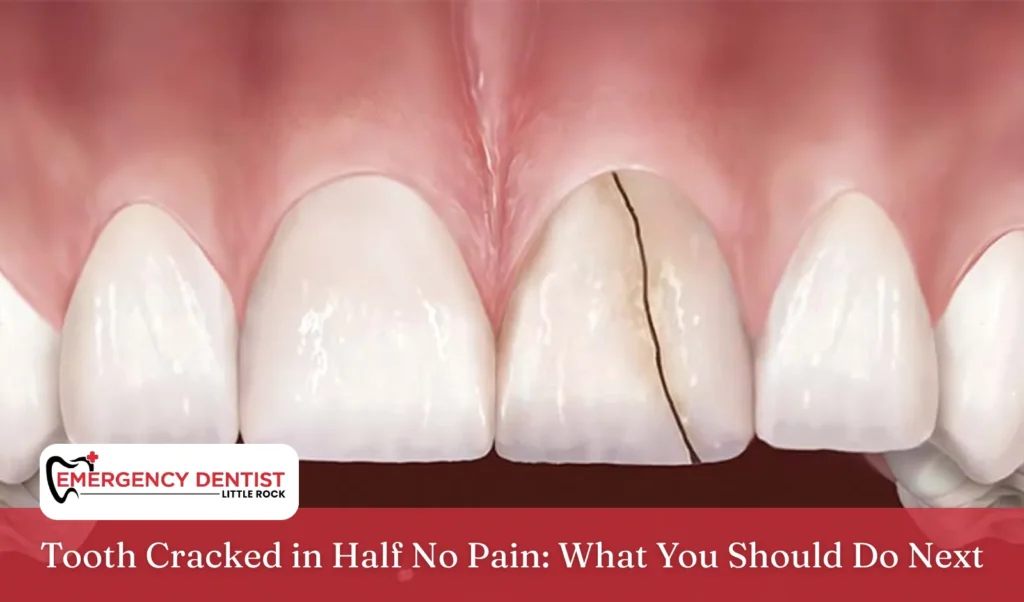
A tooth cracked in half no pain might not seem like a big deal, especially if you can still eat, drink, and talk without any issues. But even if it doesn’t hurt, a crack in your tooth can still cause serious problems. A cracked tooth with no pain can get worse quickly if ignored, leading to infection or decay. Seeing an Emergency Dentist in Little Rock right away can help save your tooth and protect your oral health before it’s too late.
Why a Cracked Tooth Might Not Hurt
Your teeth are made up of three layers, enamel, dentin, and pulp. The pulp is the innermost part and contains nerves and blood vessels. When a tooth cracks but doesn’t reach the pulp, you may not feel any pain at all.
However, even if it doesn’t hurt, the tooth is still at risk. Bacteria can enter the tiny tooth cracks and start leading to infection or decay. Over time, this can cause pain swelling and may require treatments like a root canal or even tooth extraction.
Ignoring a cracked tooth no pain situation gives bacteria time to spread deeper, which could eventually destroy the inner structure of the tooth and harm nearby tissue.
Common Reasons Why Teeth Crack
A cracked tooth can happen to anyone, often from everyday habits or small accidents you might not even notice. Here are some of the most common causes:
- Teeth Grinding (Bruxism): Continuous grinding wears down enamel and puts too much pressure on teeth.
- Chewing Hard Foods and Drinks: Ice, nuts, or hard candy are common culprits for cracks or chips.
- Accidents or Trauma: A fall, sports injury, or bite to something unexpectedly hard can result in a broken tooth.
- Large Dental Fillings: Over time, big fillings weaken your tooth, making it easier to crack.
- Aging: Natural wear and tear can cause small cracks that deepen with time.
- Sudden Temperature Changes: Eating hot food followed by cold drinks can stress your enamel, causing it to expand and contract too fast.
Even habits like chewing on pens or using your teeth to open packaging can create small fractures that grow into bigger cracks if untreated.
Types of Tooth Cracks and How Serious They Are
Not all cracked teeth are the same, some are easy to fix, while others require more serious treatment. The right treatment depends on how deep or wide the crack is.
- Small Cracks or Chips: These only affect the surface and are usually treated with dental bonding or smoothing.
- Cracks Reaching the Gum Line: When the crack goes deeper, you might need a dental crown to protect the tooth from breaking further.
- Vertical Root Fracture: This serious crack starts at the root and travels upward. It’s hard to detect until you notice pain swelling or gum infection.
- Split Tooth: If the tooth is completely split in half, a tooth extraction may be necessary.
Even chipped or cracked teeth that don’t hurt can worsen over time, so early diagnosis is key to preventing serious dental problems.
Why Immediate Dental Care Matters
Even if your tooth cracked in half no pain, you should see a dentist as soon as possible. Bacteria can enter the crack and spread through the tooth, leading to infection. Once that happens, you could experience pain swelling or even bone loss around the tooth.
Quick dental care helps your dentist catch the problem early. They can repair a broken tooth and prevent further damage before it becomes painful or expensive to fix.
Treatment Options for a Cracked Tooth
The right treatment depends on how deep the tooth cracks are and how much of the tooth can still be saved.
- Dental Bonding: Ideal for small cracks or chips, this uses a tooth-colored resin to seal the crack and strengthen the tooth.
- Dental Crowns: If the crack goes beyond the surface, a dental crown covers and protects the entire tooth. It also restores normal shape and function.
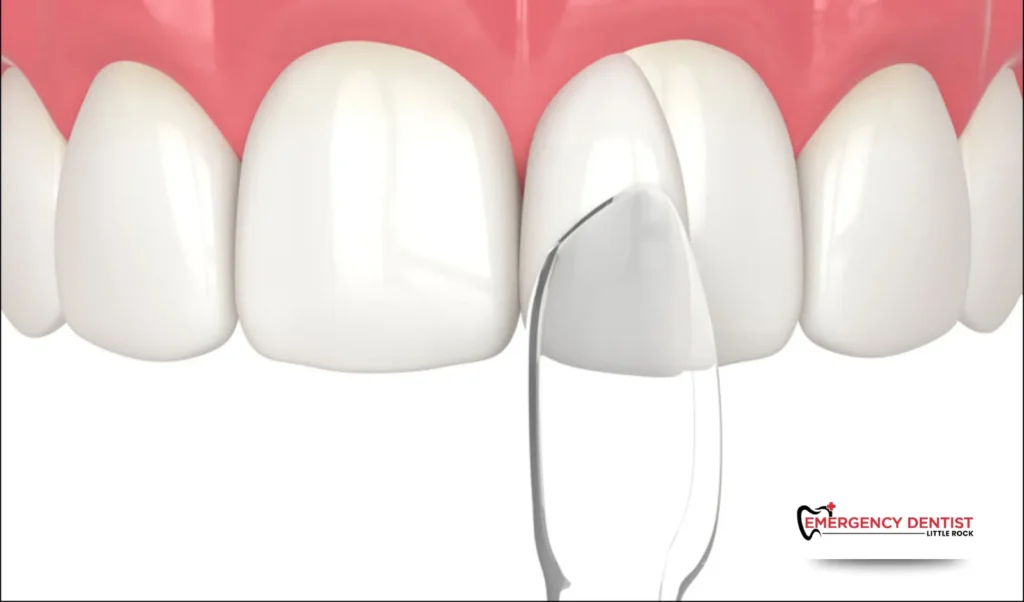
- Dental Veneers: Thin porcelain shells placed on the front of your teeth can hide chipped or cracked areas while adding protection.
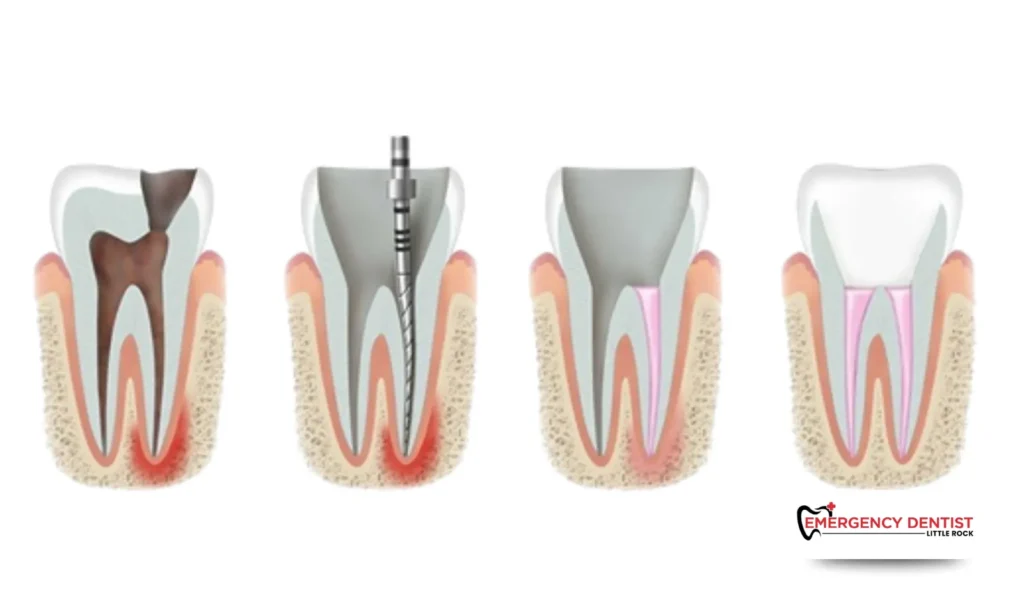
- Root Canal: If bacteria reach the pulp, a root canal removes infected tissue and saves the tooth from extraction.
- Tooth Extraction: In severe cases, like a vertical root fracture or a fully split tooth, extraction may be the only option.
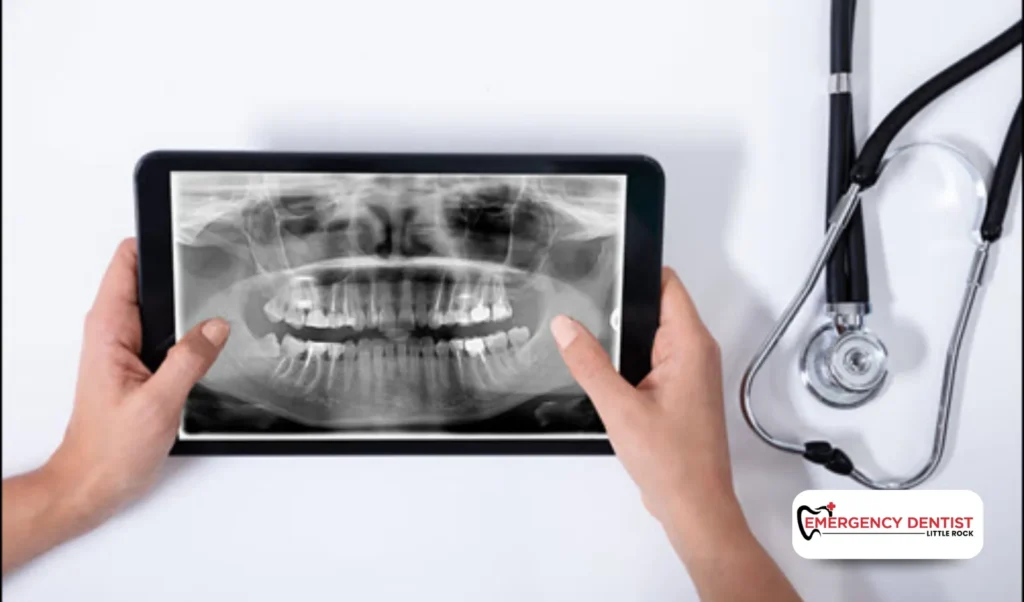
A dentist will examine the damage using X-rays or digital scans to decide the best treatment.
How Dentists Repair a Broken Tooth
When you visit a dentist, they’ll first check the depth and direction of the crack. If the problem is minor, dental bonding or a crown might be enough. For deeper cracked teeth or those near the gum line, you may need a root canal to remove infection and preserve the remaining tooth structure.
Seeing an Emergency Dentist in Little Rock ensures you get prompt dental care. The dentist can repair a broken tooth, prevent infection, and restore both function and appearance.
How to Prevent Future Tooth Cracks
Once your tooth is treated, you’ll want to protect it from future damage. Follow these simple tips:
- Avoid chewing on hard foods and drinks like ice or hard candy.
- Wear a nightguard if you have teeth grinding habits.
- Visit your dentist regularly for checkups and cleaning.
- Get small cracks treated before they turn into bigger ones.
- Don’t use your teeth as tools for opening or cutting things.
Good oral health habits can prevent cracks and keep your teeth strong for years to come.
Conclusion
A tooth cracked in half no pain might not seem serious at first, but ignoring it can cause big problems later. Even when it doesn’t hurt, cracked teeth can worsen over time and invite infection or decay.
If your cracked tooth no pain is worrying you, visit an Emergency Dentist in Little Rock right away. Treatments like dental bonding, veneers, or crowns can repair a broken tooth and keep your oral health in great shape. Acting early can save your tooth, your smile, and your comfort for the long term.