

Tooth Extraction Aftercare: Important Dos and Don’ts

Whether you’ve had a simple tooth removed or undergone wisdom teeth extraction, what you do afterward plays a major role in how well you heal. Practicing proper tooth extraction aftercare helps protect the surgical site, prevent complications, and maintain good oral health during recovery. If you experience symptoms that don’t improve, such as severe pain or ongoing bleeding, you should reach out to an Emergency Dentist in Little Rock for immediate support.
Understanding the Healing Process
After a tooth is removed, your body begins its natural healing process. A blood clot forms in the tooth socket, covering exposed bone and nerves. This clot is crucial, it creates the foundation needed to promote healing of both the gum tissue and underlying bone.
However, if the clot is disturbed or if you accidentally dislodge the blood clot, you may develop dry socket, a painful side effect that can slow recovery and increase discomfort. Following proper after tooth extraction care helps ensure the clot stays in place so the surgical site can heal as expected.
Some pain and swelling are normal for a few days after surgery, but these symptoms typically improve with home care and guidance from your dentist or oral surgeon. Protecting your oral health during this period helps prevent complications such as infection or delayed healing.

Dos After Wisdom Tooth Extraction
Your recovery will be easier when you follow essential dos after wisdom tooth extraction. These steps help reduce discomfort and support the healing process:
Use ice packs
Apply ice packs to the cheek for 20–30 minutes at a time during the first 48 hours. This helps reduce swelling and keeps pain manageable.
Take pain medication
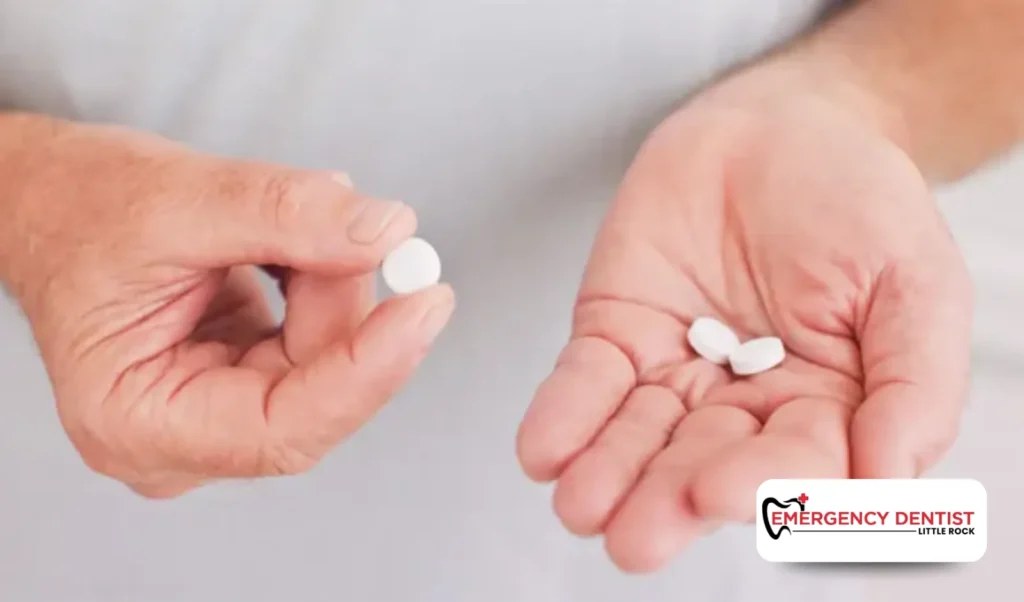
Use pain medication or approved pain relievers as directed by your dental provider. This helps control inflammation and makes recovery more comfortable.
Eat soft foods
Choose foods that are easy to chew, such as yogurt, mashed potatoes, eggs, soups, and smoothies. Avoid solid food until the surgical site feels less tender. Soft foods keep pressure off the area and help promote healing.
Brush your teeth gently
You should continue brushing to maintain oral health, but be careful around the extraction area. Use a soft-bristled toothbrush and avoid direct contact with the surgical site.
Start rinsing your mouth
After the first 24 hours, gently rinse with warm salt water to keep the tooth socket clean. This helps prevent bacteria buildup without disturbing the clot that protects the area.
Don’ts After Wisdom Teeth Removal
Avoiding certain actions is just as important as following the right aftercare steps. Here are key don’ts after wisdom tooth extraction:
Don’t drink alcohol or smoke
Both can irritate the mouth, slow the healing process, and increase the risk of infection or dry socket.
Avoid disturbing the blood clot
Keep your tongue, fingers, and objects away from the area to avoid accidental irritation that could dislodge the blood clot.
Skip straws and forceful spitting
Anything that creates suction in the mouth can pull the clot out of place and delay healing. Drink directly from a cup instead.
Be cautious with brushing and flossing
Continue cleaning your mouth, but avoid brushing or flossing too close to the extraction area for the first few days to prevent irritation or bleeding.
Tips to Reduce Pain and Swelling
Although you may experience some pain and swelling after wisdom teeth removal, these tips can help make the recovery process more comfortable:
- Use ice packs: Apply them in 30-minute intervals during the first two days.
- Take recommended pain relievers: Follow the instructions given by your dental provider.
- Keep your head elevated: Sleeping or resting with your head elevated can help reduce swelling more quickly.
- Eat soft foods: Continue to eat soft foods that don’t irritate the area. Avoid spicy, crunchy, or hot foods until healing progresses.
These steps help minimize discomfort and support the natural healing process after teeth are extracted for oral surgery.
When to Call an Emergency Dentist in Little Rock
Most patients recover without complications, but you should seek urgent care from an Emergency Dentist in Little Rock if you notice:
- Worsening or severe pain
- Heavy or persistent bleeding
- Fever, pus, or any sign of infection
- Pain that spreads beyond the tooth socket and into your jaw or ear
Even if your wisdom teeth removed seemed fine right after the procedure, new symptoms can appear in the days following oral surgery. Getting professional help early ensures the healing process stays on track and protects your long-term oral health.
Conclusion
Successful recovery depends on following the proper after tooth extraction care dos and don’ts. Use ice packs, take your pain medication, eat soft foods, brush gently, and begin rinsing after 24 hours. At the same time, avoid drinking alcohol, smoking, using straws, or doing anything that might dislodge the blood clot.
By following these guidelines, you help protect the surgical site, manage pain and swelling, and promote healing. If you experience any unusual symptoms or complications, contact an Emergency Dentist in Little Rock right away. Taking care of your oral health after wisdom teeth extraction is essential for a smooth, healthy recovery.
Frequently Asked Questions
What should I do right after a tooth extraction?
Use ice packs, take pain medication as directed, keep your head elevated, eat soft foods, and avoid disturbing the surgical site to protect healing.
What should I avoid after wisdom teeth extraction?
Avoid drinking alcohol, smoking, straws, forceful spitting, and touching the area. These can dislodge the blood clot and delay the healing process.
How long will pain and swelling last after surgery?
Most pain and swelling improve within a few days after surgery. Mild discomfort may continue for about a week, but it should steadily get better.
When can I return to solid food?
Start with soft foods for several days. You can return to solid food once chewing feels comfortable and you’re no longer irritating the surgical site.
What are signs something is wrong with the surgical site?
Severe pain, worsening swelling, fever, pus, bad taste, or other signs of infection mean you should contact a dentist right away.
When should I call an Emergency Dentist in Little Rock?
If you experience intense pain, heavy bleeding, foul odor, or pain spreading beyond the tooth socket, seek immediate care to protect your oral health.