

Tooth Pain After Treatment: What It Means
Feeling tooth pain after treatment can be frustrating, especially when you expected the procedure to solve your dental problem. Whether you’re experiencing tooth pain after filling, tooth pain after crown placement, or tooth pain after tooth pulled, it’s natural to wonder if what you feel is a normal part of healing or a sign that you should contact a dentist. This guide explains what to expect, what symptoms may point to a problem, and when to reach out to an Emergency Dentist in Little Rock.
1. Tooth Pain After Tooth Pulled: Normal Healing or Dry Socket?
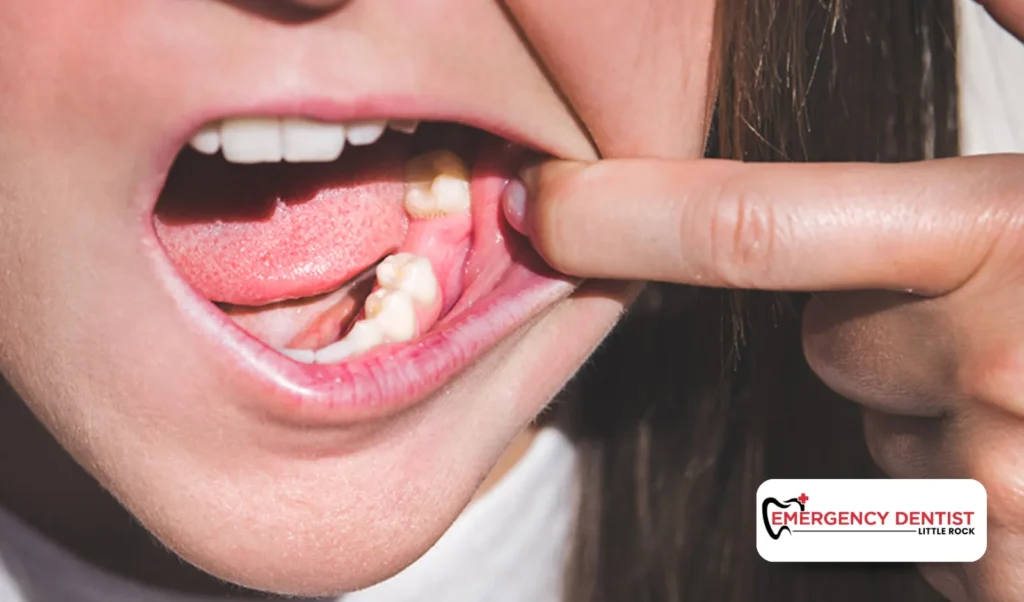
Some soreness after tooth extractions is normal. Your mouth needs time to repair the area around the extraction site, and mild discomfort during the first 24 hours is part of the usual oral health recovery process. The most important part of early healing is the blood clot that forms inside the socket, it protects the bone and nerves while your mouth heals.
However, if that clot becomes loose or dissolves too soon, a painful condition called dry socket can develop.
Signs you may be experiencing dry socket include:
- Pain that gets worse 2–3 days after the procedure instead of improving
- A foul odor or unpleasant taste
- Visible bone inside the extraction socket
- Pain that spreads to your ear or jaw
To help the area heal, choose soft foods, avoid hot drinks, and do not use straws or smoke during the first day, as both can disturb the clot. After 24 hours, you may rinse gently with warm salt water to help soothe the area and reduce inflammation. If pain increases or does not improve, schedule a consultation with your dentist
2. Tooth Pain After Filling: What’s Considered Normal?

After a dental filling, it’s common to feel some tooth sensitivity, especially with hot or cold items or sweet foods. This happens because the filling material, often composite resin, can temporarily irritate the nerves inside the tooth.
However, certain types of pain may indicate a problem, including:
- A misaligned bite causing pain when biting
- Deep decay near the nerve
- Nerve irritation caused by the depth of the filling
- Sensitivity that lasts longer than expected
Using desensitizing toothpaste can help calm irritated nerves. But if your tooth pain after filling doesn’t improve within a few days, your dentist may need to adjust the filling or recommend additional treatment.
3. Filling Tooth Pain After: Could It Be Something Else?
If you notice filling tooth pain after a few days, don’t ignore it. Sometimes the filling may be slightly too high or not properly sealed, allowing bacteria to enter. In other cases, the pain might not come from the filled tooth at all; instead, it may be referred to as pain from another tooth or part of your mouth.
Other causes may include:
- A filling that has loosened or cracked
- Pressure from nighttime grinding or clenching
- Early signs of infection
- A tooth that is still adjusting after treatment
Maintaining good dental care and following your dentist’s aftercare steps, such as avoiding very hard foods and rinsing regularly, can help. If pain continues, contact your dentist for an exam.
4. Tooth Pain After Crown: Is It Something Serious?
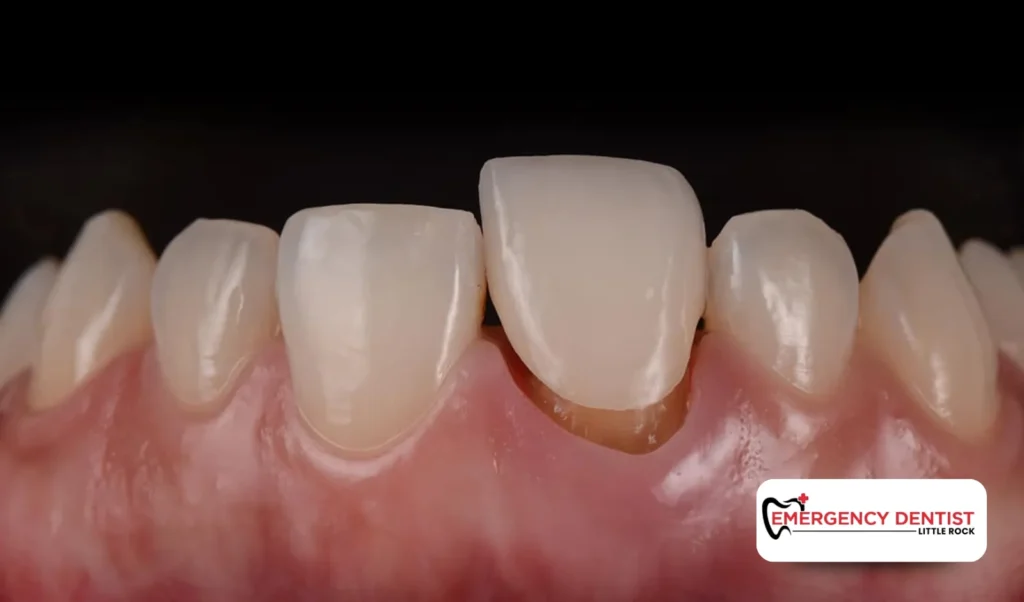
A dental crown is meant to protect the tooth beneath it, restore chewing function, and improve your bite. Still, some patients report tooth pain after crown procedures, especially when eating or applying pressure.
Possible causes include:
- A crown positioned too high
- A crown that is not sealed properly, allowing bacteria into the tooth
- An underlying infection that the crown cannot resolve
- Pressure or irritation affecting nearby teeth
You might feel temperature sensitivity, pressure discomfort, or pain when biting. Try eating soft foods and avoiding extreme temperatures. If your discomfort continues past a few days, your dentist may need to adjust the crown or investigate further.
Simple At-Home Pain Relief Tips
While waiting for your appointment with an emergency dentist in Little Rock, you can take steps to manage discomfort at home.
- Take a pain reliever such as ibuprofen to ease discomfort and reduce inflammation
- Apply a cold compress to your cheek for 10–15 minutes
- Use desensitizing toothpaste to calm irritated nerves
- Rinse with warm salt water two or three times a day
- Stick to soft foods and avoid anything too hot, spicy, or acidic
- Avoid soda and citrus drinks, which can increase sensitivity
These steps can make a noticeable difference, but they only offer temporary relief. If symptoms get worse, professional care is necessary.
When to Contact an Emergency Dentist in Little Rock
Seek dental attention right away if:
- Pain lasts longer than 3–5 days
- You develop swelling, fever, or other sign of infection
- You notice discharge, bleeding, or a foul taste
- You cannot chew, sleep, or focus because of the discomfort
- Pain gets worse instead of improving
An Emergency Dentist in Little Rock can identify problems such as dry socket, nerve irritation, damaged restorations, or hidden decay. With a proper evaluation, they can determine the exact cause of your discomfort and recommend the right treatment. Whether your symptoms follow dental crowns, fillings, or extractions, prompt care helps prevent complications and protects your long-term oral health.