
Tooth Pain Guide: When to Call a Dentist for Proper Care
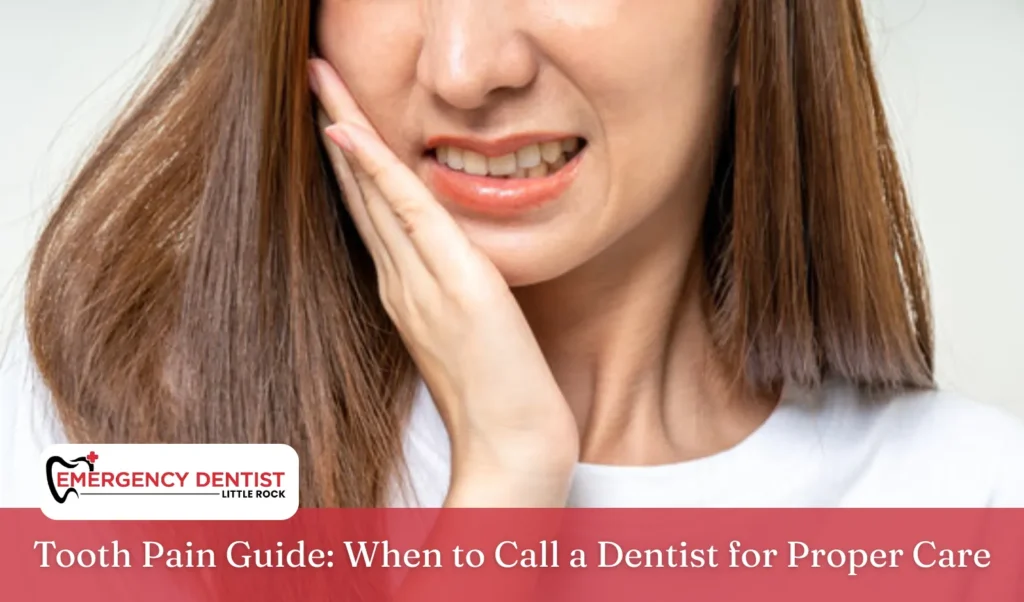
Tooth pain can appear in many different forms. You may feel front tooth pain, back tooth pain, molar tooth pain, tooth gum pain, or even tooth pain in jaw areas. Whether you notice a quick jolt when you brush your teeth or experience lingering discomfort with pain and swelling, your body is alerting you to a developing problem. Pain is usually a sign that something beneath the surface needs attention.
If you’re in Little Rock, understanding what different types of tooth pain can mean will help you know when home remedies are enough for temporary pain relief, and when it’s time to call your dentist for proper treatment.
Front Tooth Pain
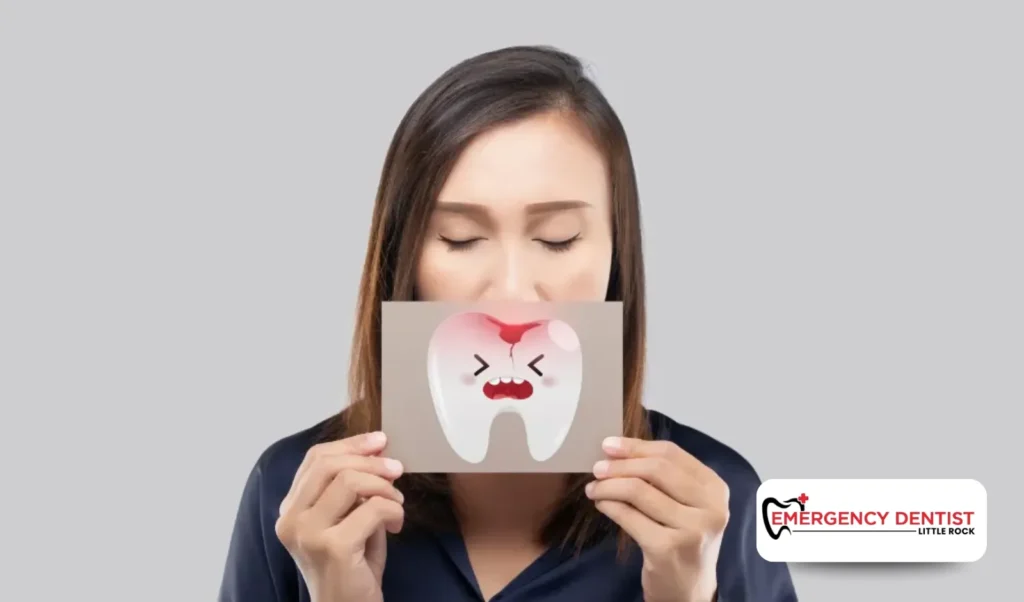
Pain in the front teeth can happen suddenly and may feel like sharp pain or increased sensitivity. Common causes include:
- A cracked tooth or chipped enamel
- Gum recession that exposes sensitive areas
- Worn tooth enamel from brushing too hard or acidic foods
- A developing infection or abscess in the root
Even minor issues can worsen if left untreated, sometimes ending in a serious sign of infection, swelling, or even tooth loss. Early evaluation helps prevent complications.
Back Tooth Pain or Molar Tooth Pain
When discomfort comes from the back of your mouth, it may feel deeper or more intense. Back tooth pain or molar tooth pain is often linked to:
- Cavities that have moved beyond the early stages
- Impacted or infected wisdom teeth
- Teeth grinding (bruxism) while you sleep
- Deep decay irritating the nerve
These issues can also lead to sensitivity with hot or cold foods. If not treated promptly, they may eventually cause fractures or infections.
Gum and Tooth Pain Together
When gum and tooth pain happen at the same time, the discomfort may feel like a dull ache, pressure, or soreness. This can result from:
- Food trapped beneath the gumline
- Gums irritated from brushing too aggressively
- Early gum disease or inflammation
- A bacterial infection causing pain and swelling
You may also see bleeding gums, tenderness, or swelling in one area. Even what seems like simple gum pain can turn into a serious abscess if left untreated.
Tooth Pain in Jaw or Sinus Area
Sometimes, tooth pain does not originate from the tooth itself. Pain that spreads to the jaw, cheekbones, or temple may be caused by:
- A sinus infection affecting the upper teeth
- TMJ problems from clenching or grinding your teeth
- Referred pain from a hidden cavity
- Inflammation or pressure in the jaw joint
If the pain becomes deeper, spreads to the ear, or comes with swelling, consult a dentist as soon as possible.
Should You Try Home Remedies?

Home remedies can help reduce pain temporarily, but they cannot treat the root cause. Short-term relief options include:
- Warm saltwater rinses (½ teaspoon of salt in a cup of warm water, 2–3 times a day)
- Cold compresses for 20 minutes at a time
- Clove oil for temporary numbing
- Over-the-counter medication for pain relief
These measures help for short periods, but they do not solve infections, cracks, or decay. If your symptoms last more than one or two days, it’s time to call your dentist.
When to Call an Emergency Dentist in Little Rock

Seek immediate care if you notice:
- Persistent sharp pain
- Sensitivity to hot or cold foods that does not improve
- Swelling in your jaw, gums, or face
- Fever, foul taste, or other sign of infection
- Pain when chewing or biting down
- A cracked tooth or knocked-out tooth
- Bleeding gums that continue
- Pain that affects sleep or daily activities
These symptoms may signal a deeper issue that requires urgent treatment to avoid worsening damage or potential tooth loss.
Preventing Future Tooth Pain
Good dental habits help reduce the risk of future problems:
- Brush your teeth 2–3 times a day using gentle pressure
- Floss daily to reduce plaque
- Use a night guard if you clench or grind your teeth
- Limit acidic foods and drinks that weaken tooth enamel
- Visit your dentist regularly for checkups
- Address early signs of cavities or gum issues quickly
Proper care keeps small issues from turning into emergencies.
Emergency Dental Care in Little Rock
Tooth pain can easily disrupt your routine and make even simple daily tasks difficult to manage. An Emergency Dentist in Little Rock offers prompt evaluations and effective treatment for a variety of dental concerns, including infections, cracked teeth, swelling, and gum disease. Their timely care helps address the source of your discomfort, prevent complications, and restore your oral health as quickly as possible.
If your symptoms continue or worsen, do not wait. Call your dentist for same-day attention and long-lasting relief.