

What to Do for a Cracked Tooth:
Effective Fixes and Care
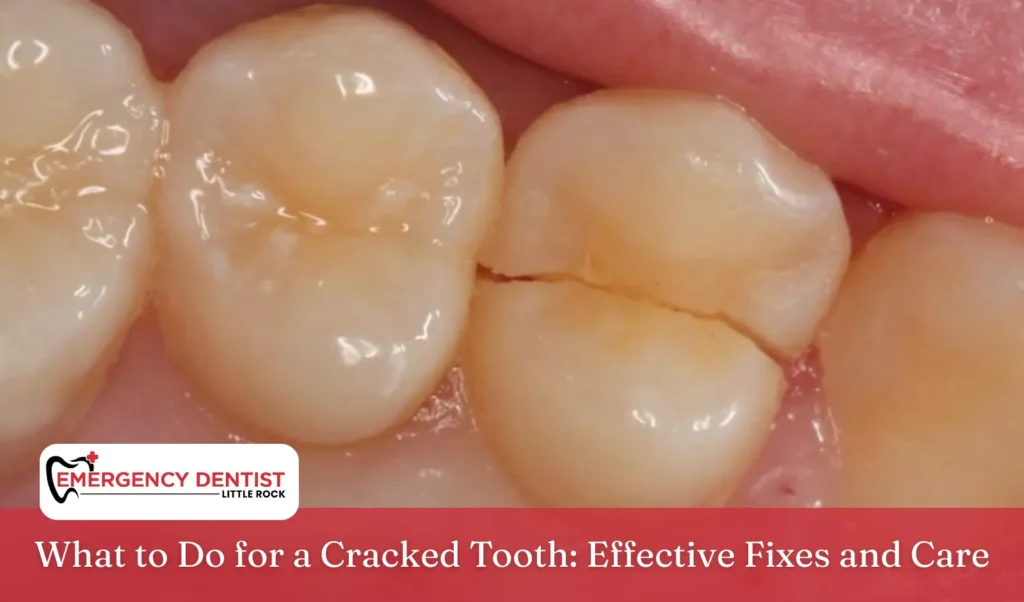
A cracked or broken tooth can happen when you least expect it. Whether caused by biting something hard or an accidental injury, knowing how to fix a cracked tooth early is key to saving your smile and preventing further problems.
Even if the damage seems small or causes no immediate pain, it’s important to see a dentist right away. Delaying treatment could lead to infection, nerve damage, or even tooth loss. If you experience discomfort or suspect a crack, contact an Emergency Dentist in Little Rock for prompt dental care.
Common Causes of a Cracked Tooth
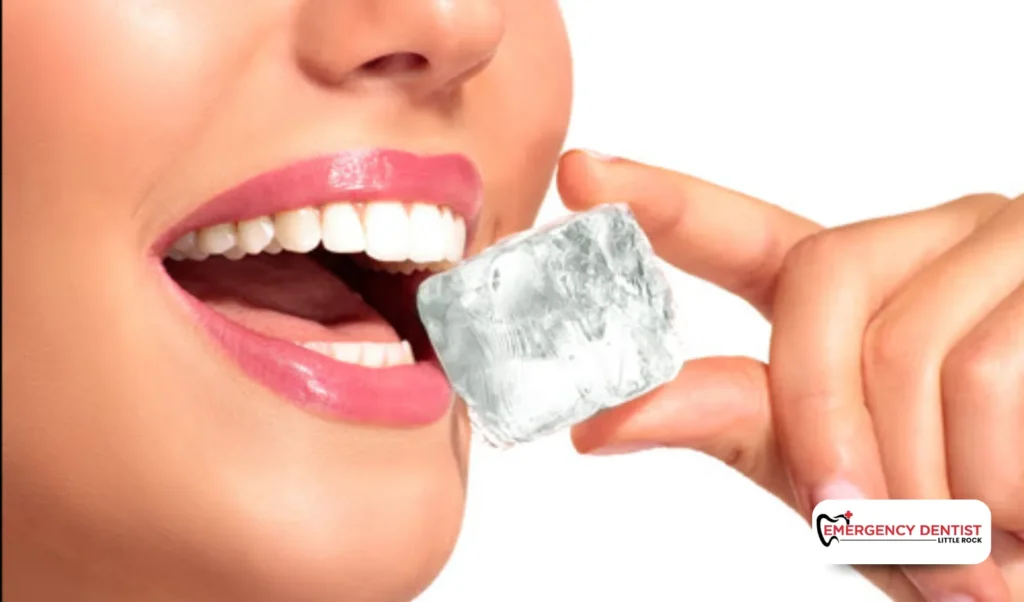
Cracked teeth can develop for many reasons, even if you maintain good oral hygiene. Some of the most common causes include:
- Chewing on hard foods such as ice, nuts, or hard candy.
- Injuries or trauma to the mouth or jaw.
- Grinding or clenching teeth during sleep.
- Weakened tooth enamel due to aging or tooth decay.
- Sudden temperature changes, like eating ice cream after hot coffee.
In some cases, small surface lines, known as craze lines, can appear over time. While these are usually harmless, they can deepen if left untreated and lead to more serious dental issues.
Signs and Symptoms of a Cracked Tooth
Cracked teeth are not always easy to spot. Sometimes the damage is invisible to the eye but still causes discomfort. Common warning signs include:
- Sensitivity to hot or cold foods.
- Pain or discomfort when biting or chewing.
- Occasional pain that comes and goes.
- Pain and swelling near the affected part of the tooth.
- Jagged edges that irritate your tongue or gums.
If you notice any of these symptoms, schedule a dental appointment immediately. Early dental treatment can help prevent the need for more invasive procedures later on.
What to Do for a Cracked Tooth Right Away

Before you reach the dental clinic, there are a few steps you can take to protect your tooth and reduce pain and swelling:
- Rinse your mouth gently with warm water to clean the area.
- Apply a cold compress to your cheek to minimize swelling.
- Avoid chewing on the side with the damaged tooth.
- Take counter pain relievers if needed for temporary relief.
- If a piece of the tooth breaks off, store it in milk or a clean container and bring it to your dentist.
Avoid using glue or other household materials to reattach a broken tooth. These can worsen the injury and make professional repair more difficult.
Fixing a Cracked Tooth: Professional Dental Treatments
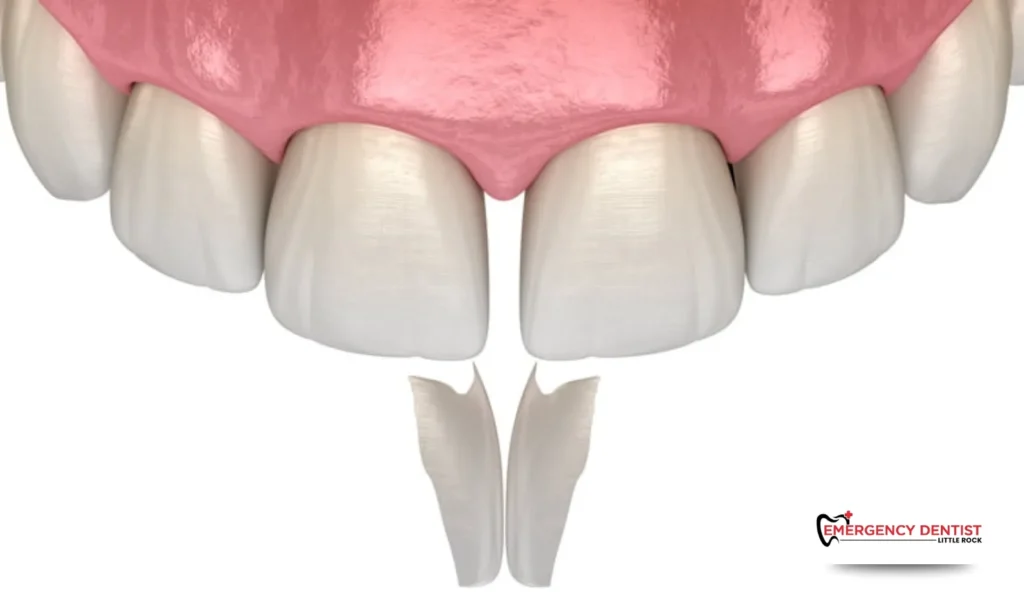
When fixing a cracked tooth, your dentist will assess how deep the crack is and recommend the right treatment.
1. Dental Bonding
For small cracks or chipped teeth, dental bonding is a quick and affordable fix. A tooth-colored resin is applied, shaped, and hardened to restore strength and appearance.
2. Dental Crowns
If the crack is deeper but doesn’t reach the root, a dental crown provides full coverage and protection, reinforcing weak enamel and preventing further damage.
When a crack reaches the pulp containing nerves and blood vessels, root canal therapy is needed. The dentist removes damaged tissue, cleans and seals the tooth, and adds a crown for protection.
4. Tooth Extraction and Implants
If the crack extends below the gum line, tooth extraction may be necessary. A dental implant can replace the missing tooth, restoring both function and appearance.
5. Dental Veneers
For small or surface cracks, veneers offer a cosmetic solution. These thin porcelain shells cover the front of the tooth, creating a smooth, natural look.
When the Crack Reaches the Tooth’s Nerves
A severe fracture that extends into the tooth’s pulp can lead to intense pain and swelling. In these cases, a root canal therapy procedure may be necessary to remove infection and save the natural tooth. If the damage is too deep, a tooth extraction followed by a dental implant might be required to restore function and appearance. Seeking immediate help from an Emergency Dentist in Little Rock ensures you receive the proper dental treatment before the condition worsens.
Preventing Cracked or Broken Teeth
Prevention plays a major role in maintaining strong and healthy teeth. Here are some ways to reduce your risk:
- Avoid chewing on hard foods like ice or hard candy.
- Do not use your teeth to open packages or bottles.
- Wear a mouthguard if you grind your teeth or play contact sports.
- Schedule regular dental checkups to detect early signs of wear or minor cracks.
- Strengthen your enamel by using fluoride toothpaste and maintaining good oral health habits.
When to Call an Emergency Dentist in Little Rock
If your tooth feels loose, shows visible damage, or causes pain when biting, visit the Emergency Dentist in Little Rock immediately. Cracks can spread quickly, leading to severe pain, infection, or the need for advanced procedures like root canal therapy or tooth extraction. Acting early can save the part of the tooth that’s still healthy and help restore comfort and function.
Conclusion
Knowing how to fix a cracked tooth helps you act quickly and protect your smile. Whether it’s bonding, a crown, veneer, or implant, modern dental care provides lasting results. So, can you repair a cracked tooth? Yes, with prompt treatment and expert care. Don’t ignore pain or jagged edges, see an Emergency Dentist in Little Rock for lasting oral health protection.