
Emergency Antibiotics for Tooth Infection: When They’re Used
Quick Answer
When should I get antibiotics for an infected tooth?
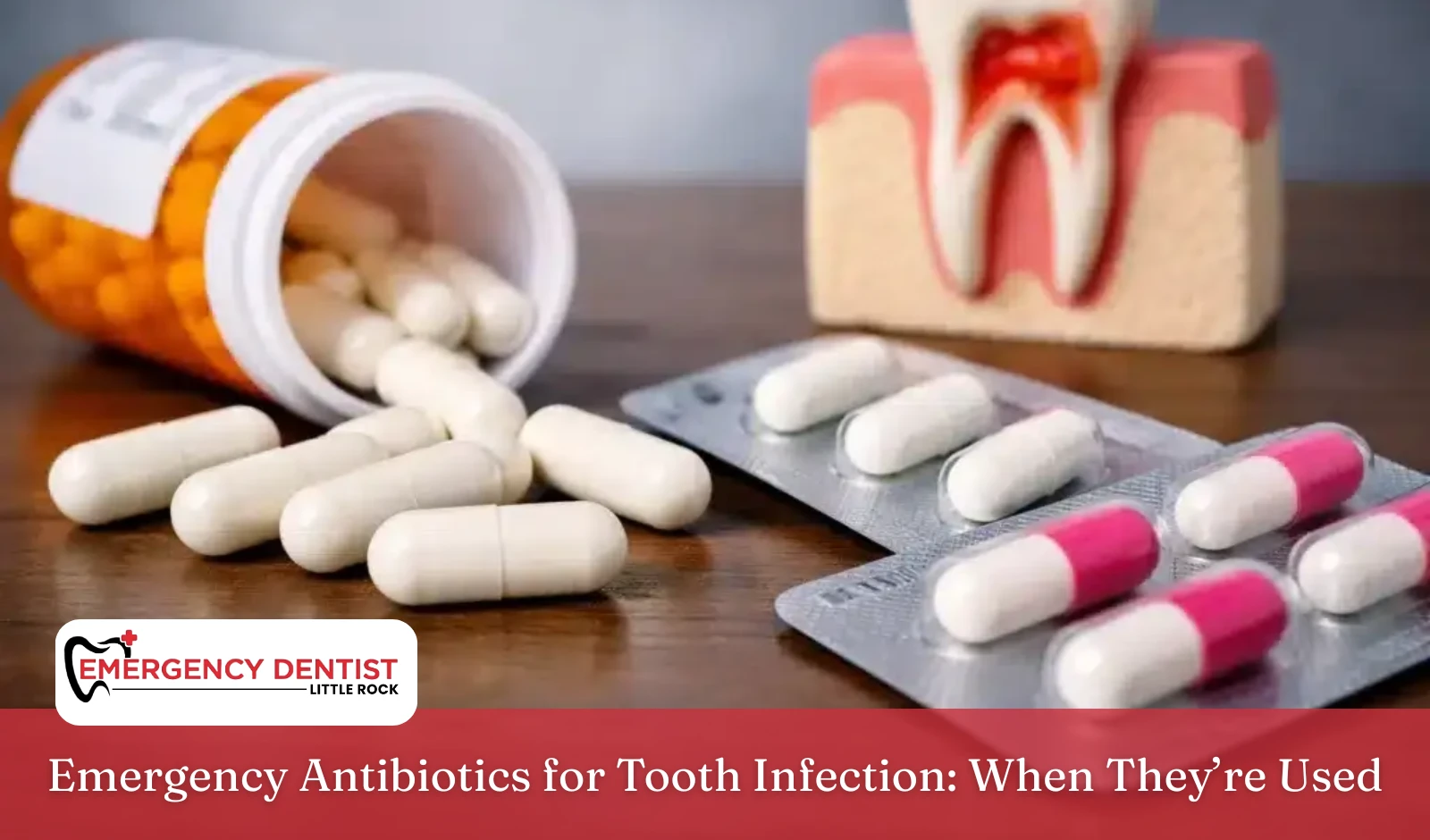
A dentist or qualified healthcare professional can determine whether antibiotics for a tooth infection are appropriate after evaluating your symptoms. They may prescribe antibiotics when a bacterial infection is spreading beyond the tooth or causing signs of illness. Antibiotics can help control certain infections, but dental treatment may still be needed to address the source.
Key Takeaways
- Antibiotics are not needed for every infected tooth.
- Increasing pain and swelling, fever, or feeling unwell may indicate a spreading infection.
- Antibiotics may control bacteria but cannot repair the affected tooth.
- A dental procedure may still be necessary to treat the source.
- Breathing or swallowing problems require immediate medical attention.
A tooth infection may begin with sensitivity, tenderness, or pain when chewing. Some people may also notice swelling around the tooth or gum. As the infection progresses, swelling may increase, and you may start to feel unwell.
When this happens, you may wonder whether emergency antibiotics for tooth infection can help. Antibiotics have an important role in some cases, but they are not a substitute for professional dental care. The underlying problem often needs to be treated as well.
What Causes a Tooth to Become Infected?
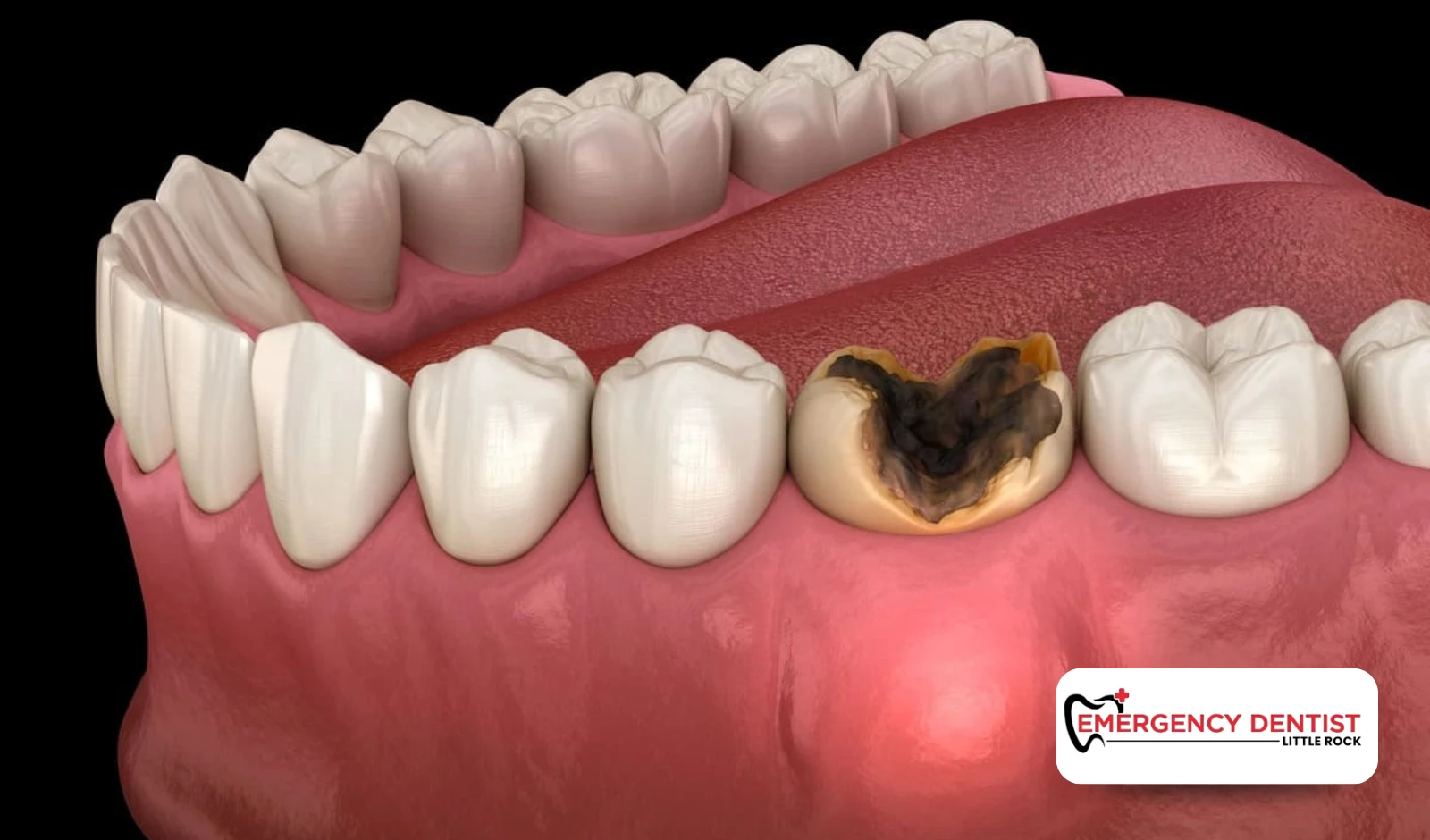
Bacteria can enter a tooth through deep decay, cracks, injuries, or damaged dental work. Once bacteria reach the pulp inside the tooth, infection may develop.
The pulp contains nerves and blood vessels, so inflammation in this area can cause significant discomfort. An infection may also affect the surrounding tissues.
In some cases, a dental abscess develops. An abscess is a pocket of pus that forms because of infection. Symptoms may include tooth pain, gum tenderness, swelling, sensitivity, drainage, or an unpleasant taste.
When Are Antibiotics Used for Dental Infections?
Antibiotics are not typically prescribed for every toothache. Many dental problems require treatment that directly addresses the affected tooth.
A dentist may consider antibiotics when an infection is spreading beyond its original location or when symptoms such as fever, increasing swelling, or feeling unwell develop.
Several common antibiotics are used for dental infections, but the appropriate medication depends on your health, allergies, symptoms, and the type of infection. A qualified healthcare professional should decide whether an antibiotic is needed.
How to Get Emergency Antibiotics for Tooth Infection
If you are searching for how to get emergency antibiotics for tooth infection, arrange an evaluation with a dentist or appropriate healthcare professional. Do not take leftover antibiotics or medication prescribed to another person.
During an emergency dental evaluation, the dentist can examine the tooth and gums, review your symptoms, and take X-rays when needed. This helps determine whether antibiotics are necessary and whether another treatment is required.
If antibiotics are prescribed, take them according to the instructions provided by your healthcare professional.
What Happens if the Infection Spreads?
A dental infection can become more serious when it is not treated. The infection can spread from the tooth into surrounding areas of the jaw, face, or neck.
Increasing facial swelling, fever, or feeling increasingly unwell should be evaluated promptly. These changes may indicate that the infection is affecting more than the original tooth.
Seek immediate medical attention if swelling affects your airway or you develop difficulty breathing or swallowing. These symptoms should not wait for a routine dental appointment.
What Treatment Might an Infected Tooth Need?

The recommended treatment depends on the cause of the infection and whether the tooth can be restored.
A root canal may be recommended when infection has reached the pulp but the tooth can still be saved. The infected tissue is removed before the inside of the tooth is cleaned and sealed.
A dental abscess may need drainage. If the tooth is severely damaged and cannot be restored, tooth extraction may be necessary. The dentist can recommend the appropriate dental procedure after examining the tooth.
How Can I Manage Pain While Waiting?
Over-the-counter pain medicine may provide temporary relief if it is safe for you to take. Follow the label instructions and do not exceed the recommended amount.
Pain relief does not remove the infection. If pain and swelling increase, you develop a fever, or you start feeling unwell, seek professional care.
Final Thoughts
Antibiotics may be helpful for certain spreading dental infections, but they do not fix the problem that allowed the infection to develop. Treatment may involve a root canal, drainage, tooth extraction, or another procedure.
Having an infected tooth evaluated can help determine whether medication, dental treatment, or both are needed. Prompt care is especially important when symptoms are becoming worse.
Tooth Infection Not Improving? Find Out Why
If tooth pain, swelling, drainage, or other symptoms are continuing, Emergency Dentist Little Rock can evaluate the affected tooth and surrounding area to determine what may be causing the problem. Based on the examination, the dentist can discuss appropriate treatment options for your condition.
Call (501) 248-1990 or request an appointment online to arrange an emergency dental evaluation in Little Rock.
Frequently Asked Questions
My tooth is infected but the swelling went down. Do I still need a dentist?
Yes. Reduced swelling does not necessarily mean the underlying dental problem has resolved. An infected tooth may still require treatment to remove the source and help prevent symptoms from returning.
Can a dentist prescribe antibiotics during an emergency visit?
Yes, when they are clinically appropriate. The dentist will evaluate your symptoms and the affected area before deciding whether antibiotics are needed. Some infections require a dental procedure rather than antibiotics alone.
Does pus around my tooth mean I have an abscess?
Pus or drainage can be a sign of a dental abscess or another infection. An abscess is a pocket of pus caused by infection and should be evaluated to determine what treatment is needed.
Why does my infected tooth hurt more when I chew?
Pressure from biting can irritate an inflamed or infected tooth and the tissues around it. Pain when chewing can also have other causes, such as a crack, so an examination may be needed to identify the problem.
Can my tooth infection spread before I develop a fever?
Yes. Fever is not always present with a dental infection. Increasing swelling, worsening pain, drainage, or other changes can also be reasons to seek care. Difficulty breathing or swallowing requires immediate medical attention.